
Australia's First National EV Charging Roadmap Targets Passenger and Heavy Vehicles Through 2035
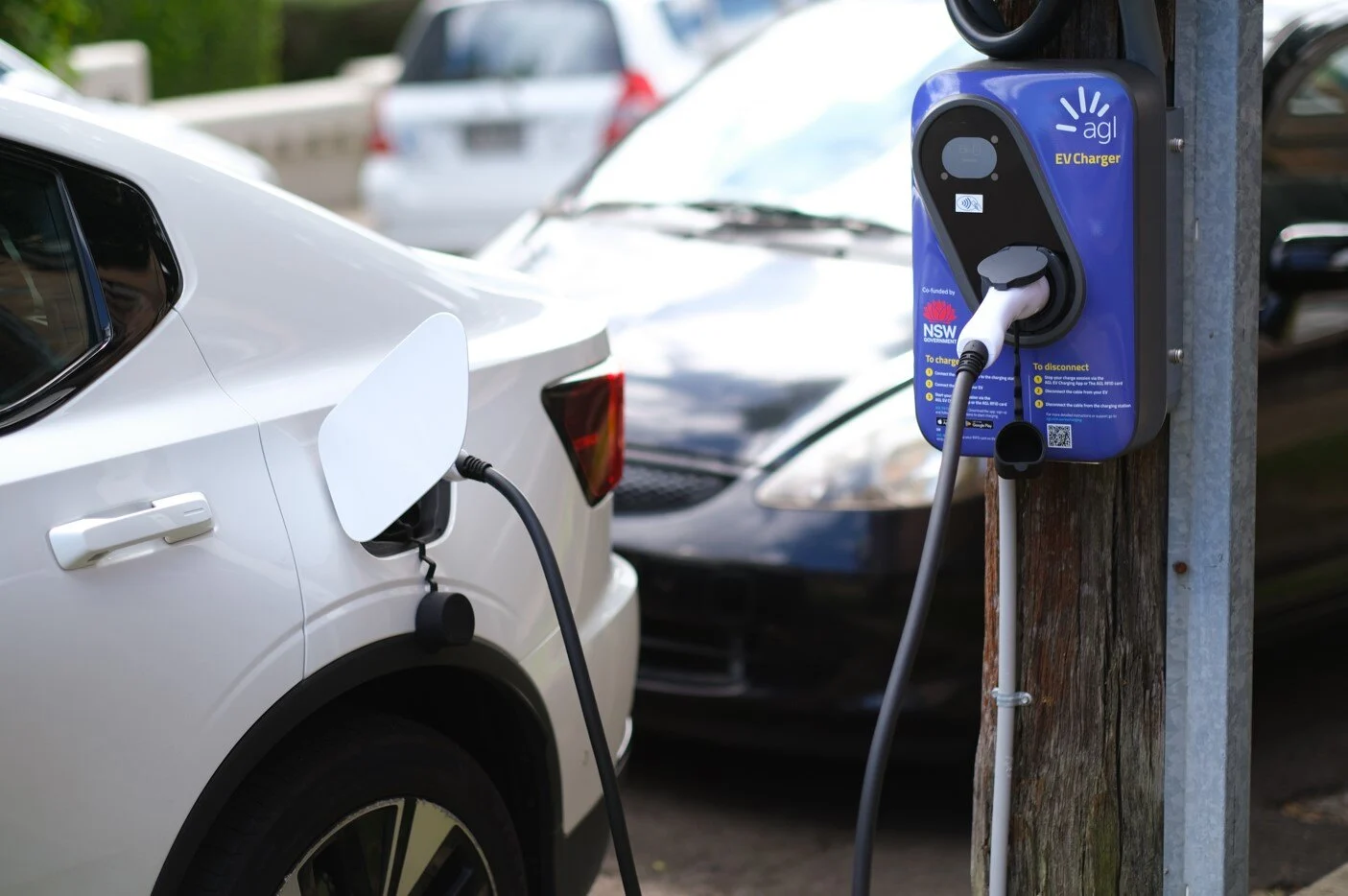
The Electric Vehicle Council (EVC) is set to helm an ambitious initiative to chart Australia’s first nationwide electric vehicle charging roadmap, designed to map out infrastructure requirements for both passenger cars and heavy-duty vehicles up to 2035. Backed by a AU$1.06 million grant from the Australian Renewable Energy Agency (ARENA) as part of its Driving the Nation Program, the project—totalling AU$1.43 million—aims to pinpoint emerging charging demand, potential bottlenecks, and opportunities for enhanced industry coordination to guide investment choices.
The roadmap development will involve extensive consultation with automakers, charge point operators, consumer advocacy groups, electricity network providers, fleet managers, and other key players. This collaborative approach is intended to build a solid evidence base for anticipating Australia’s future charging needs across both light and heavy electric vehicle segments. The final National EV Charging Roadmap is scheduled for release in mid-next year, a timeline that EVC CEO Julie Delvecchio describes as pivotal for the strategic expansion of the country’s charging network.
Delvecchio points to similar coordinated national planning efforts in leading EV markets worldwide, underscoring that the question of whether Australians will adopt electric vehicles is now largely settled. “The options are here, and Australians are buying them in record numbers,” she remarked. “The focus now needs to be on what happens next—so our charging system scales as EV adoption grows.” She emphasized that the task isn’t merely about adding more chargers but ensuring the right infrastructure is deployed nationally, in optimal locations and at the right times, which demands a more unified strategy across transport, energy, and infrastructure planning.
Dr Alina Dini, the EVC’s head of energy, infrastructure, and commercial, and project director for the Roadmap, highlighted that Australia’s charging hurdles don’t stem from inactivity. “Significant investment and innovation are underway, but decisions across different sectors are often being made independently, without a shared understanding of future demand,” Dr Dini explained. “This Roadmap is about bringing those pieces together so the sector can work from a common national vision.” She stressed that the inclusive consultation process is vital to the project’s success.
However, Delvecchio views the roadmap as merely the foundation. “The bigger job is turning evidence into coordinated action across industry, the energy system and government,” she said, noting that the EVC will persist in aligning these perspectives as the initiative shifts from planning to implementation. Stakeholders are already invited to participate in shaping the Roadmap, with opportunities to sign up for updates and consultations available through the EVC’s website.
What do you think?