
Australia's EV Surge Puts Pressure on National Efficiency Standard's Future
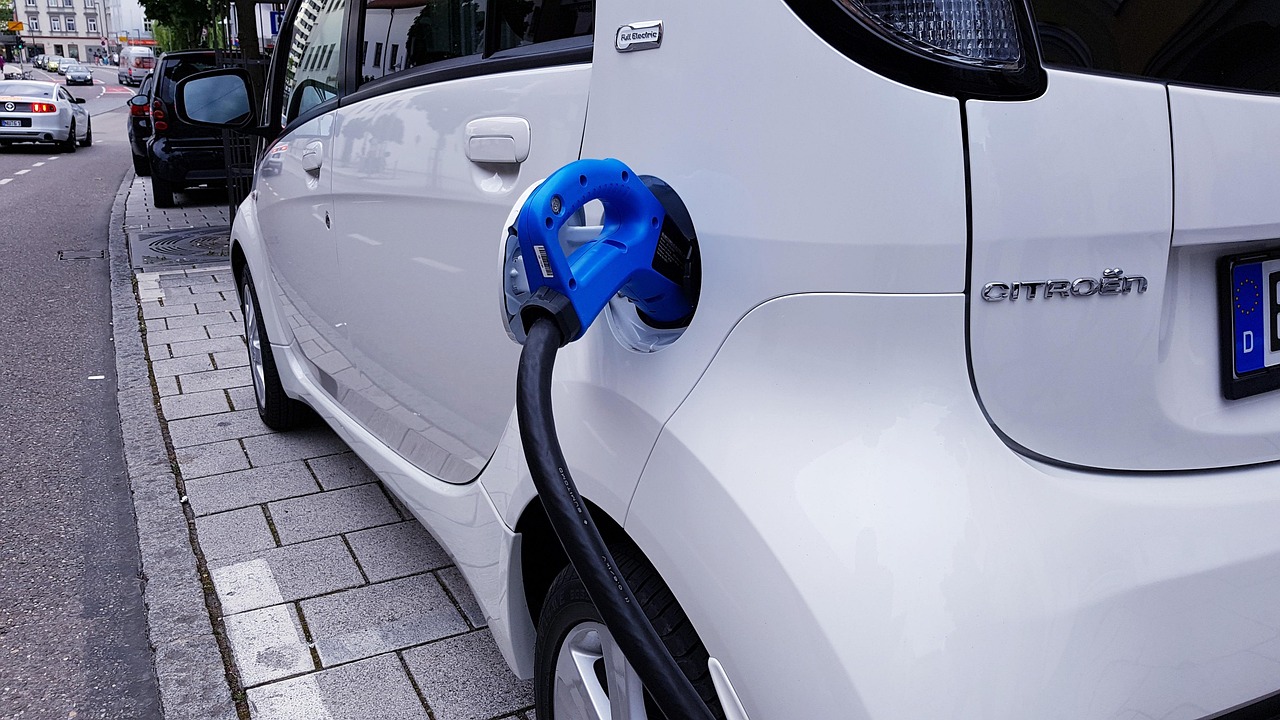
Australia’s electric vehicle market has hit a significant milestone, with electrified models now accounting for more than a quarter of all new passenger car sales. Figures released by the Electric Vehicle Council show that 157,957 EVs were registered in the first half of 2026 alone, a jump of 117% compared with the same period a year earlier. That lifted electrified vehicles to 25.8% of new car sales, up sharply from 12.1% previously. Battery-electric models dominated, contributing 103,716 units, while plug-in hybrids accounted for 54,241.
The industry body attributes much of this momentum to the National Vehicle Efficiency Standard (NVES), which it credits with giving Australian buyers more affordable options at the pump. With that in mind, the council is now pushing to have the framework extended past 2029, warning that without a longer runway, drivers could face higher fuel costs in the years ahead. EVC Chief Executive Julie Delvecchio argued that the standard has already opened the door to cheaper-to-run vehicles and must be preserved beyond its current expiry.
Supporting infrastructure has expanded in step with sales. Public charging locations more than tripled over the year to June 2026, reaching 4,268 sites, while the national EV fleet climbed to 612,000 vehicles. The number of electrified models on offer also grew, rising from 153 to 196.
Not every segment is keeping pace. Electric trucks and vans each remain below 1% of their respective markets, and the EVC notes that Australia offers no government support to small operators looking to switch to electric freight — a contrast with the UK, New Zealand, India and France. In its annual scorecard, the federal government, along with the Australian Capital Territory and New South Wales, each earned 7/10, while five other states and territories fell short. For automakers, the NVES review the council wants launched this year will help determine which models reach Australian showrooms after 2029.
What do you think?