
Australia's EV Market Hits 25.8% Share, A Decade Ahead of Industry Forecasts
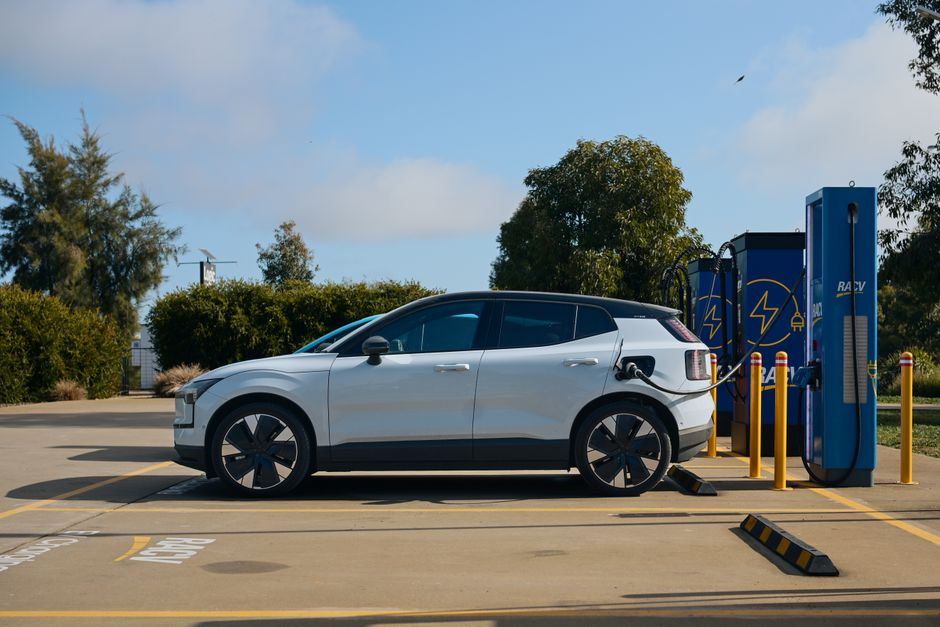
Australia’s electric vehicle sector has recorded what industry leaders are calling a breakthrough year, with plug-in vehicles capturing 25.8 per cent of new car sales in the first half of 2026, according to the Electric Vehicle Council’s latest State of EVs report. That figure is more than double the 12.1 per cent share seen during the same period last year, and the council projects it could climb to 29 per cent by December.
Battery electric vehicles alone accounted for two-thirds of those sales, reaching a record 24.1 per cent of the market in August. The EVC, marking its tenth annual market assessment, noted that its first report in 2016—when EVs represented less than 0.2 per cent of sales—predicted a one-quarter market share would not arrive until 2035. “We got there a decade early,” the report states.
A key shift is the type of buyer driving growth. According to the EVC, mainstream Australians are now leading purchases rather than early adopters. The highest-volume postcode for EV uptake sits around Tarneit, a Western Melbourne suburb roughly 30 kilometres from the CBD, described by the council’s head of policy Aman Gaur as a typical mortgage-belt area where two-income households depend on their cars for long commutes. Gaur also highlighted a 150 per cent jump in the used EV market, which he said is spreading the financial benefits of electric transport to more households.
Despite the gains, the EVC flagged serious gaps. Electric trucks and vans remain below 1 per cent of their respective markets, with the council criticising the absence of government support for small freight operators looking to move off diesel—unlike incentives offered in the UK, New Zealand, India and France. The EVC also warned that the New Vehicle Emissions Standards, credited with expanding EV model availability, expire in 2029 and face lobbying against extension from legacy manufacturers including Toyota. Without renewal, the group argues, the market risks stagnation. It further pointed to policy reversals in Queensland and the Northern Territory, where conservative governments have scaled back electrification efforts, and called out Western Australia, Tasmania and South Australia for insufficient support. A proposed EV road tax in New South Wales from July next year is another concern the EVC is seeking to block, while it advocates for a federal road-user charge that reinvests revenue into charging infrastructure and does not discourage adoption.
What do you think?