
America's Used EV Market Heats Up as Buyers Chase Value
Something unexpected is unfolding in the American used-car market: electric vehicles, once dismissed as overpriced showroom curiosities, are now among the fastest-moving machines on dealer lots. According to Bloomberg reporting cited this week, demand for pre-owned EVs has climbed sharply, with shoppers increasingly treating them as the smartest financial play available rather than a statement about the planet.
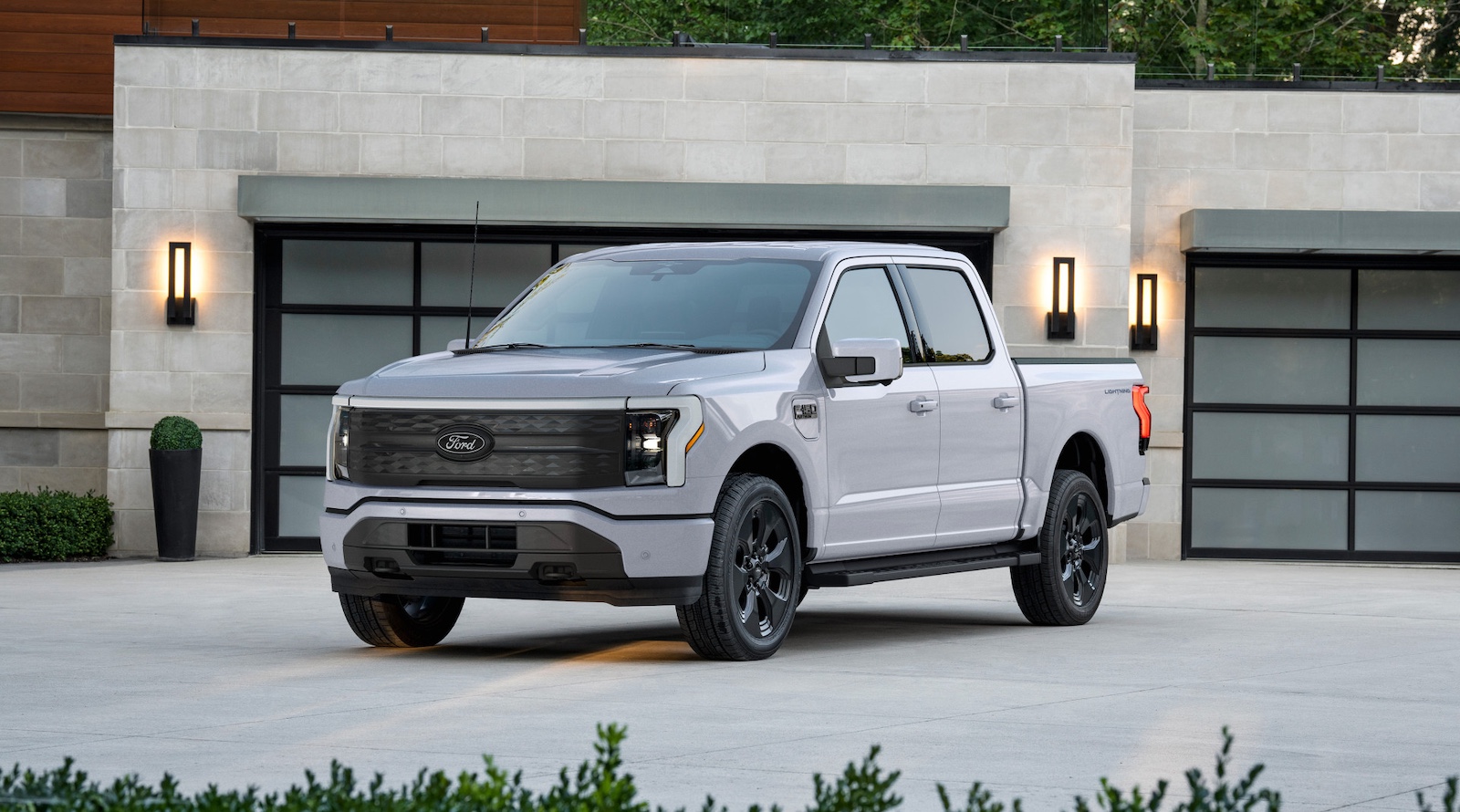
The Ford F-150 Lightning has become the standout example. Early buyers paid sticker prices that could exceed $70,000, and rapid depreciation left many owners underwater within a year. That pain has now become someone else’s gain. Used Lightnings are changing hands at roughly half to 60 percent of their original cost, a figure that wholesale dealer Jimmy Douglas describes as a genuine sweet spot. He notes that these trucks are clearing lots in about 20 days — roughly half the time a typical used vehicle sits idle — and that many dealers are keeping trade-ins for their own inventory instead of wholesaling them onward.
The economics are hard to argue with. A well-equipped gasoline F-150 King Ranch or Platinum can run between $66,000 and $69,000, while a used Lightning offers comparable features plus an enormous front trunk and the ability to power a home during an outage. One Colorado county planner who swapped his gas F-150 for a $40,000 used Lightning called it both an upgrade and a bargain, citing lower running costs and instant torque. Fuel prices have only reinforced the math: dealers in Tennessee and Utah report a direct link between pump prices and EV interest, with customers eager to offload thirsty trucks.
Market analysts see a broader shift in consumer psychology. CarGurus market intelligence director Kevin Roberts says shoppers are now willing to consider electric when the value proposition makes sense, while Douglas argues the buyer profile has fundamentally changed. This is no longer early-adopter territory or environmental activism, he suggests — it is simply households looking at total cost of ownership and moving quickly. Used EVs now sit close to price parity with comparable gasoline models, and they tend to be newer with fewer miles, which helps explain their rapid turnover.
The picture for new EV sales is murkier. Federal subsidies expired in September 2025, pulling demand forward and leaving a noticeable dip in several nameplates, though Cox Automotive’s Stephanie Valdez Streaty points to a stabilizing market supported by fresh models priced at or below $45,000. Ford is betting on that trend with an all-new electric midsize pickup planned for 2027, targeting 100,000 annual sales. For now, the used segment is doing the heavy lifting — proof that affordability, not ideology, may be the real catalyst for electric adoption in America.
What do you think?