
Aachen Researchers Target Industrial-Scale Production of Multilayer Battery Electrodes
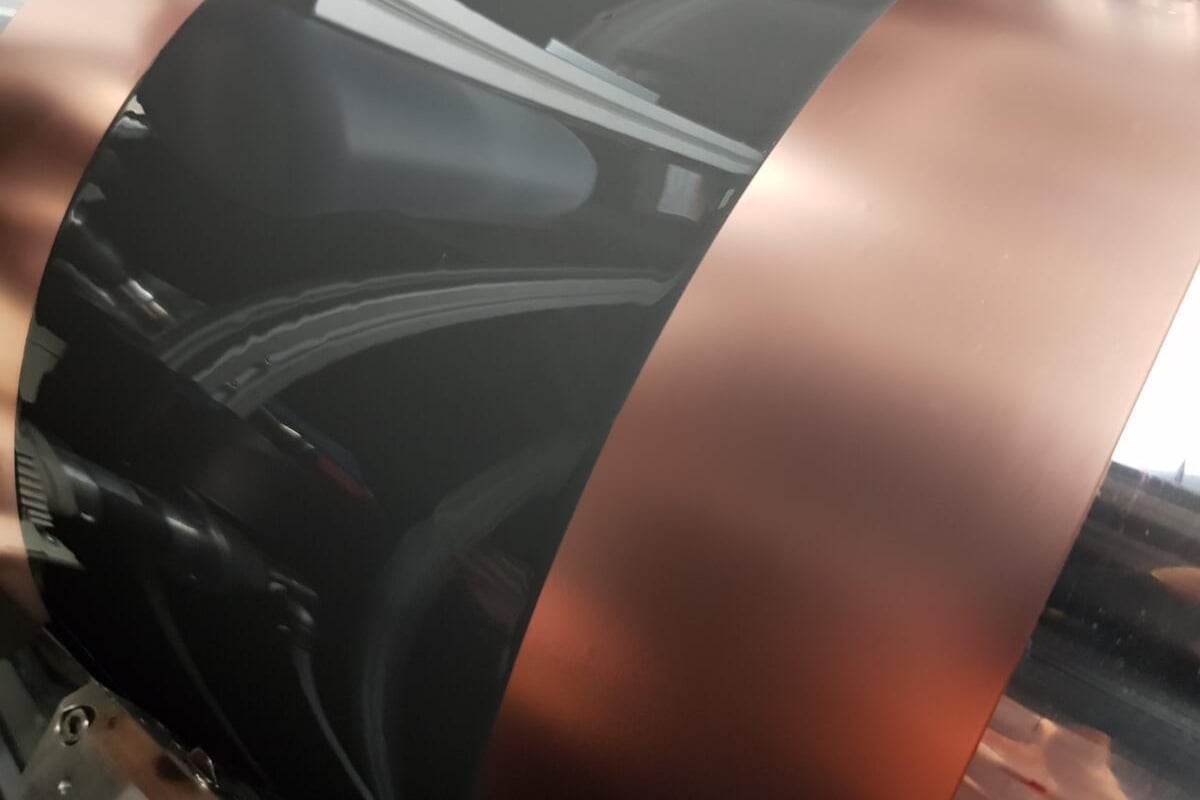
A new German research effort is setting its sights on making multilayer battery electrodes manufacturable at industrial scale. The ProMeBa project, coordinated by Netzsch-Gerätebau GmbH and anchored at RWTH Aachen’s Chair of Production Engineering of E-Mobility Components (PEM), kicked off in June 2026 and is slated to run through May 2029 under a Federal Ministry for Economic Affairs and Climate Action (BMWK) funding scheme.
Multilayer electrodes hold real promise: stacking differently structured layers can improve how ions move through the cell, bolster mechanical robustness, and extend both performance and service life. The catch is that these architectures are considerably harder to produce reliably than the single-layer designs that dominate today’s lines. ProMeBa’s answer is to work out a reproducible route from laboratory concepts to pilot-scale output, with early work mapping out suitable materials and layer designs for anodes and cathodes — including how many layers to use, how thick each should be, and where composition gradients might help.
PEM is taking the lead on formulating and processing multilayer anodes, along with their lab-scale characterisation. From there, the team plans a modular coating module that can slot into existing pilot equipment, testing two approaches under industrially relevant roll-to-roll conditions: two-layer slot die coating and multilayer curtain coating. The aim is to identify which method best balances coating quality, process stability, and scalability. A parallel workstream is refining an inline measurement technique for continuously tracking electrode slurry viscosity, so that process drift can be caught early and electrode quality kept consistent.
The finished electrodes and test cells will undergo electrochemical testing to gauge performance, stability, and lifespan. Partners alongside PEM include RWTH Aachen’s ISEA Chair, Fraunhofer IKTS, the iPAT Institute at Technische Universität Braunschweig, and 8inks Deutschland. Crucially, the consortium is pursuing a “drop-in capable” technology — one that lets existing production infrastructure be expanded rather than forcing manufacturers to build entirely new lines for multilayer electrodes.
What do you think?