
A Houston Model Y Owner Got Every Dollar Back — Here's the Fine Print
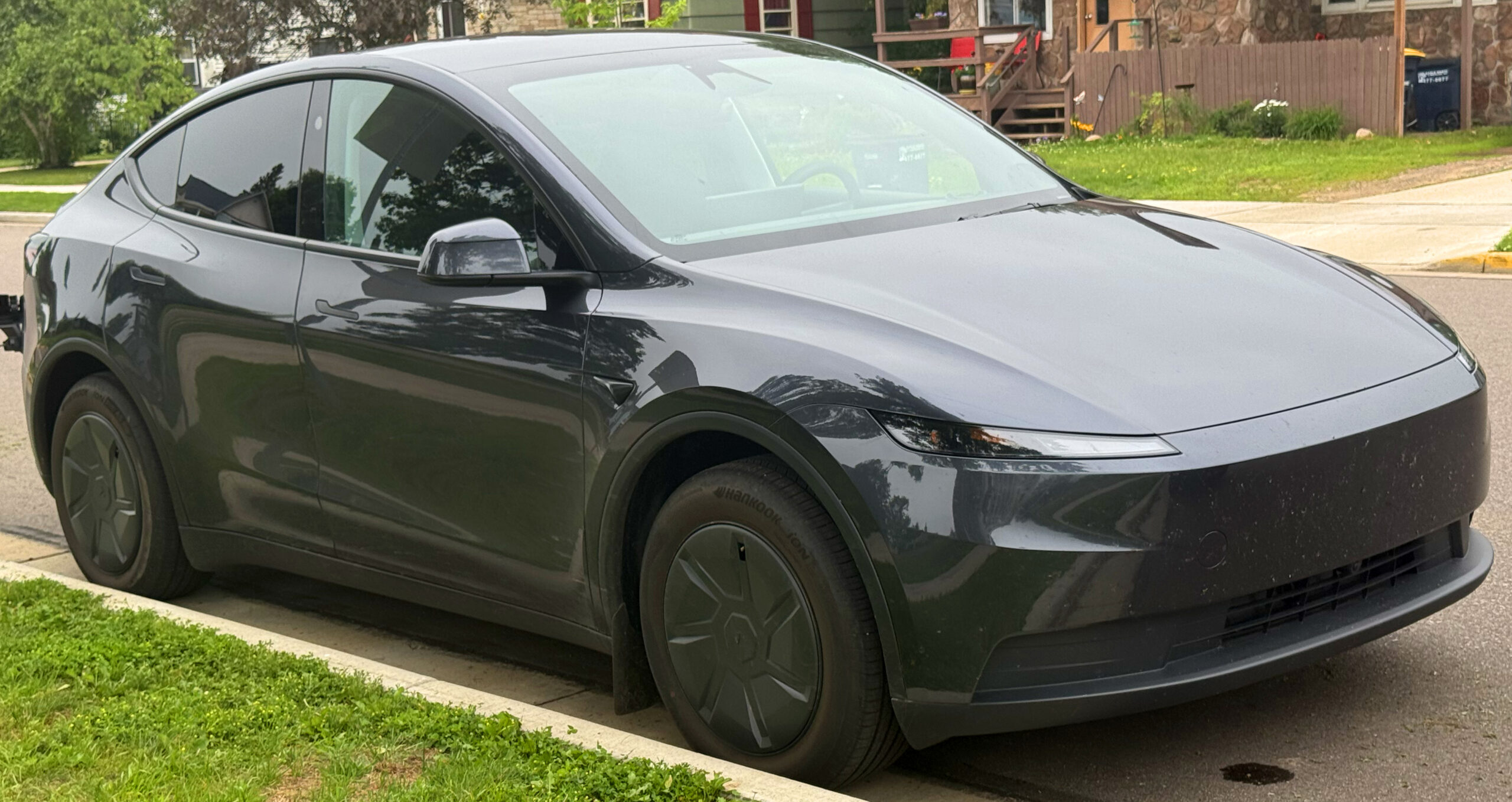
Three months behind the wheel cost this Texan nothing. A Model Y owner reports selling their 2026 crossover back to a Houston dealership in October for the exact figure they handed over in July — no trade-in involved. The dealer simply cut a check matching the original purchase amount.
That kind of round trip is rare enough to raise eyebrows, and the owner’s explanation doesn’t fully close the loop yet.
The Tax Claim That Needs Unpacking
According to the owner, a “tax liability credit” is what made the whole thing work. That phrase doesn’t map neatly onto any current federal EV incentive. The $7,500 new-vehicle credit and the $4,000 used-vehicle credit both expired for purchases made after September 30, 2025, and the home charger break ended June 30, 2026.
What’s left federally is a deduction on auto loan interest — considerably smaller — plus whatever individual states still run. So the credit in question is more plausibly a business-related tax provision or a state-level program. The owner has been asked to clarify, and the picture should sharpen once they do.
The math behind the claim: Buy in July · Sell in October at the same price · No trade-in · Federal EV credits no longer in play
Another Owner’s Numbers Tell a Cleaner Story
A second commenter did the arithmetic in public. They bought their Model Y in June 2025 while the $7,500 credit was still live, and when they ran a Carvana quote out of curiosity, the offer came back at $42,200 with 15,000 miles on the odometer.
That’s $1,000 above their original outlay. The credit did the heavy lifting there — subtract $7,500 from the real cost and a strong used offer can clear the purchase price without any magic. It’s the same headline, different mechanism.
Why the Model Y Refuses to Depreciate Like a Normal Car
Two forces are propping up values. First, Tesla’s charging ecosystem still does a lot of selling on its own — the Supercharger network and the NACS plug that rival automakers have now adopted make long-distance ownership less of a headache than it once was.
Second, the broader market. New car prices remain elevated, and Tesla’s own Model Y price increases have pushed sticker figures higher. When new metal gets expensive, shoppers drift toward lightly used examples, and dealers respond by bidding aggressively at the wholesale level. The Houston store that bought this car is plainly betting it can flip it at a profit.
A couple of caveats worth stating plainly: this is not a repeatable trick. Regional demand swings, and mileage grinds value down regardless of how carefully a car was treated. The Cybertruck, still divisive, is unlikely to pull the same stunt. Established, high-volume models like the Model Y sit in a different category.
Checking What Yours Is Worth
If you want a realistic number, collect quotes rather than accepting the first one. Carvana, CarMax, Tesla’s own trade-in estimator, and at least two local dealerships will each come back with different figures — sometimes thousands apart.
Trim level, color, mileage, and whether Full Self-Driving is included all shift the result. The comparison that matters is against what you actually paid after incentives, not the window sticker. That’s the only way to know whether you’d genuinely break even.
For now, the Houston sale is an outlier — a good one for the person who pulled it off. Most owners won’t see a dealer match their purchase price a quarter later.
Source: Torque News
Curious how this compares to other EVs? Try our comparison tool →What do you think?