
You Bought the Car. But Do You Own the Features?
The Car Buying Experience
You walk out of the dealership. The key is in your hand, the registration is in your name. The car is now yours.
But are all the features inside it yours too?
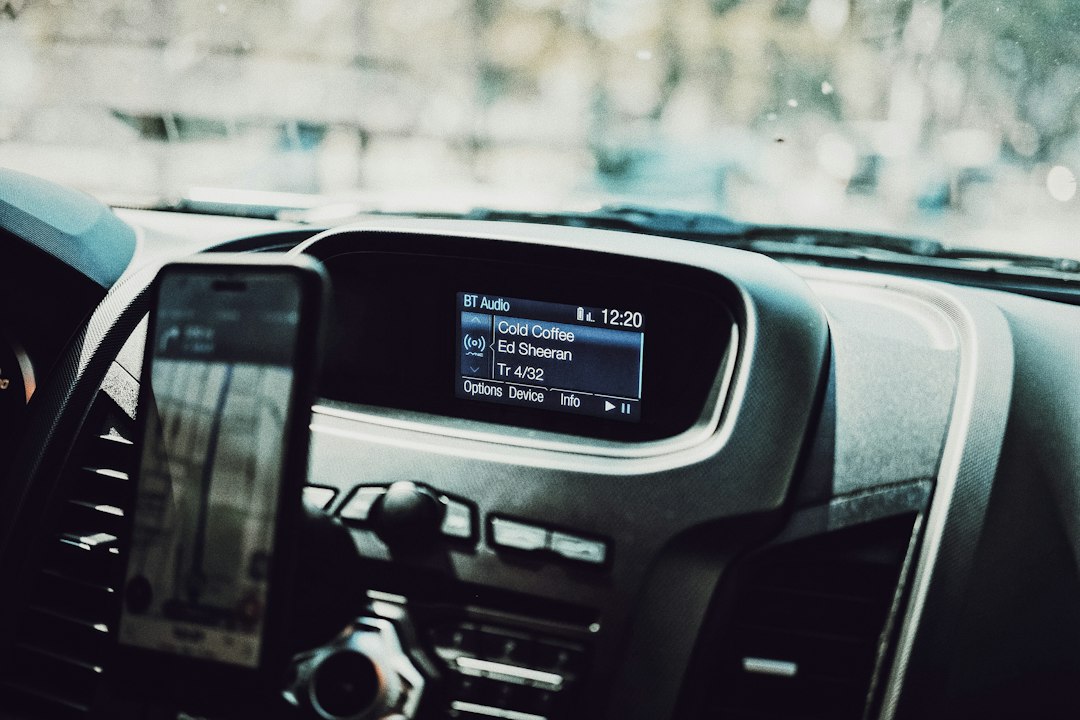
In the image we prepared, there’s a payment terminal on the steering wheel. The message on it reads: “Congratulations on your purchase. Would you like to buy what you just bought?”
The payment terminal is a joke. But in cars, the idea of unlocking certain features later for a fee is not.
Hardware Is There, Access Is Separate
Paying for extra hardware in the automotive world is nothing new. Better sound systems, heated seats, or advanced driver-assistance packages have been on price lists for years.
What’s changing is the timing of the payment and the nature of the usage rights.
In some cars, certain features can be activated via software after the vehicle is purchased. This can be done with a one-time payment or by purchasing usage rights for specific periods. The practice varies by brand, model, model year, and country.
Therefore, calling all paid features “subscriptions” is not accurate. But they all raise the same question: What exactly is included in the price of the car we buy?
BMW’s Heated Seat Subscription Was Real — But It Was Withdrawn
One of the most talked-about examples of this debate was BMW. The brand offered options to activate heated seats in compatible vehicles for a fee in certain markets, including the UK.
The reason for the backlash was easy to understand. The seat was in the car. The heating hardware was there. The user was asked to pay extra to make that hardware work.
BMW announced in 2023 that it was abandoning this approach for heated seats. Therefore, presenting the example as an ongoing practice today would be incorrect. It also cannot be claimed that it was offered in Turkey without further verification.
Nevertheless, this experiment showed where car owners start to feel uncomfortable.
Not All Paid Features Are the Same
Tesla’s Acceleration Boost, offered on some compatible versions, is an example of a paid performance upgrade. This is not a subscription but a one-time software purchase.
Audi and Porsche’s “Functions on Demand” applications are also examples of activating certain features later. Which functions are offered and how they are priced varies by vehicle and market.
These should not be equated with internet connectivity or live traffic subscriptions. A system that continuously provides data and services may have ongoing costs.
However, tying the use of hardware already present in the vehicle to a payment condition is a different debate.
| Brand | Example of Paid Feature | Payment Type |
|---|---|---|
| BMW | Heated seats (discontinued in 2023) | Subscription (former practice) |
| Tesla | Acceleration Boost | One-time software purchase |
| Audi | Functions on Demand | Variable (vehicle/market dependent) |
| Porsche | Functions on Demand | Variable (vehicle/market dependent) |
On the other hand, the physical presence of hardware in the car does not by itself prove that the customer has already paid for the right to use it. The manufacturer may claim that it uses shared hardware and prices features separately.
So the real issue is not just “double charging.” It’s what is clearly explained at the time of sale and how long the purchased right lasts.
Which Features Will Remain in the Second-Hand Market?
In the past, when looking at a used car, we would ask, “What equipment does this vehicle have?”
Now, for some vehicles, a few more questions are needed:
Is the feature present in the car, or is it also activated for use? Was it purchased permanently or activated for a limited time? Does it transfer to the new owner when the car is sold? Is there a renewal fee? The answers to these questions are not the same for every brand. Instead of assuming that a feature seen in the ad will be available after delivery, it’s necessary to check the terms.
Having to read subscription terms to understand a car’s equipment list is hardly a welcome development for buyers.
The Problem Is Not Software, But Uncertainty
Being able to add new features to a car after purchase can be beneficial. Not having to pay for a feature you don’t need upfront can also be an advantage.
But in return, the terms must be clear. The buyer should know before purchasing which features are included in the price, which require extra payment, and which rights transfer with the vehicle.
Making everything feel like it’s yours when you take the key, and then asking for payment on the screen later erodes trust.
The payment terminal on the steering wheel is funny for this reason. We imagine a small cash register next to every button.
The question beneath the joke is quite serious:
When we buy a car, which features are we actually buying?
Photo: Avery on Unsplash (Unsplash License)
Curious how this compares to other EVs? Try our comparison tool →What do you think?