
XPENG Steps Into a Global Regulatory Seat on Automated Driving
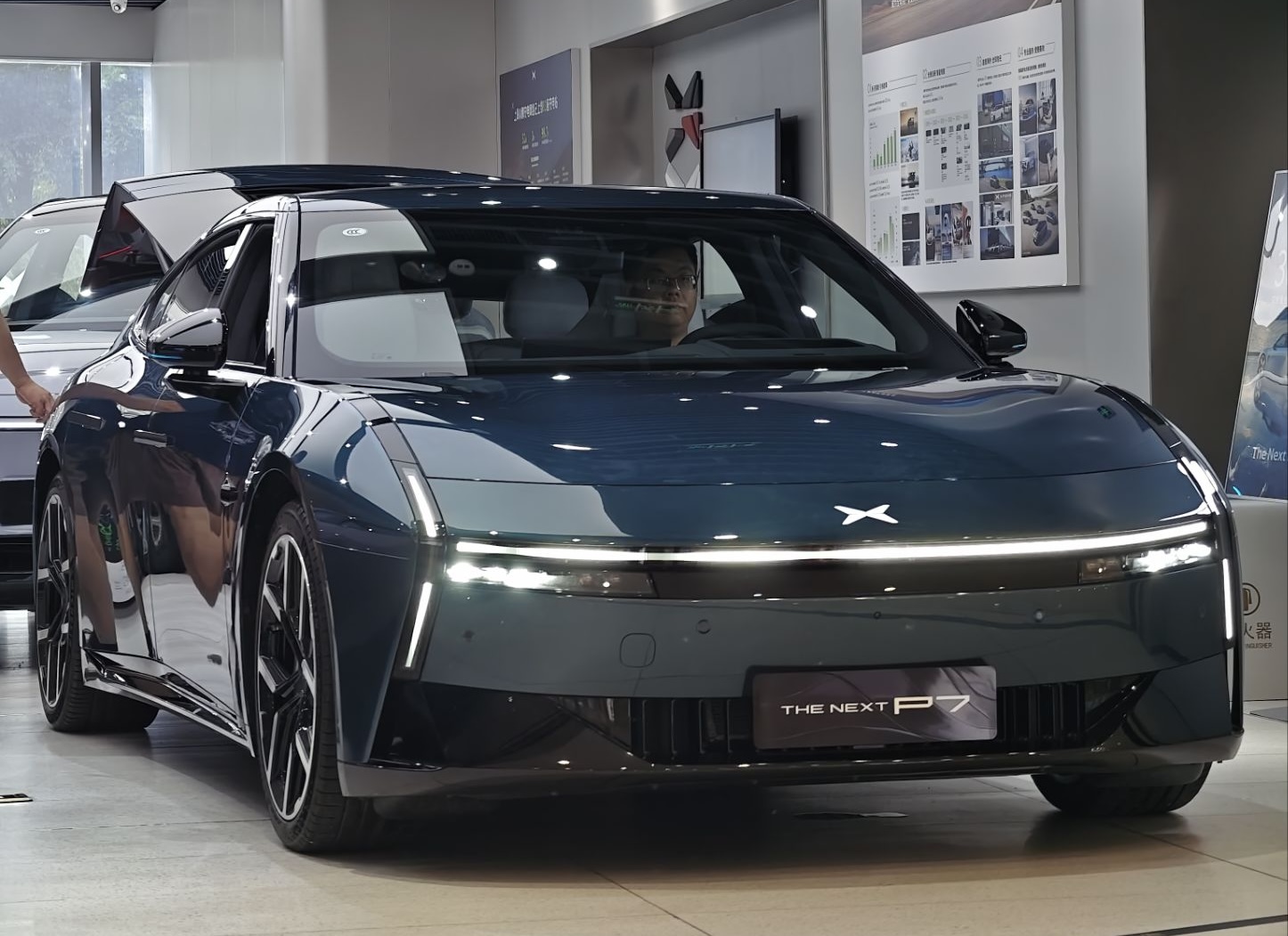
XPENG has been handed a prominent international assignment: the Chinese automaker will act as the OICA Secretary for a newly created task force under the United Nations Economic Commission for Europe (UNECE). The group’s purpose is to give regulators, technical specialists and industry players a shared table where they can compare notes on how automated driving actually behaves outside the laboratory.
The appointment places XPENG at the intersection of two worlds that often move at different speeds — fast-moving vehicle software development and the slower, consensus-driven machinery of international rulemaking. By taking the secretary role rather than simply observing, the company gains a formal channel to feed its own deployment data into discussions that will shape how automated systems are assessed and eventually regulated across borders.
The task force itself is designed around input from several sides at once. Government authorities bring the oversight perspective, engineers contribute technical depth, and manufacturers supply insights drawn from vehicles already operating on public roads. That mix matters because automated driving rules written without real deployment experience risk being either unworkable or too permissive to be meaningful.
For XPENG, the role also carries a strategic dimension. Chinese automakers have been expanding into European and other overseas markets, and being present in the rooms where technical standards are debated can ease later compliance work. Familiarity with the direction of UNECE thinking is valuable long before formal requirements land on paper.
The appointment is part of a broader pattern in which automakers seek influence over the frameworks that will govern their own products. XPENG’s position as OICA Secretary gives it a voice in that process, though the practical effect will depend on how the task force’s findings are ultimately translated into regulation.
Details on the task force’s membership, meeting schedule and deliverables have not been outlined beyond its stated aim of exchanging experience and perspectives on automated driving.
What do you think?