
Wood Gas: The Forgotten Biofuel That Once Fueled Motor Vehicles
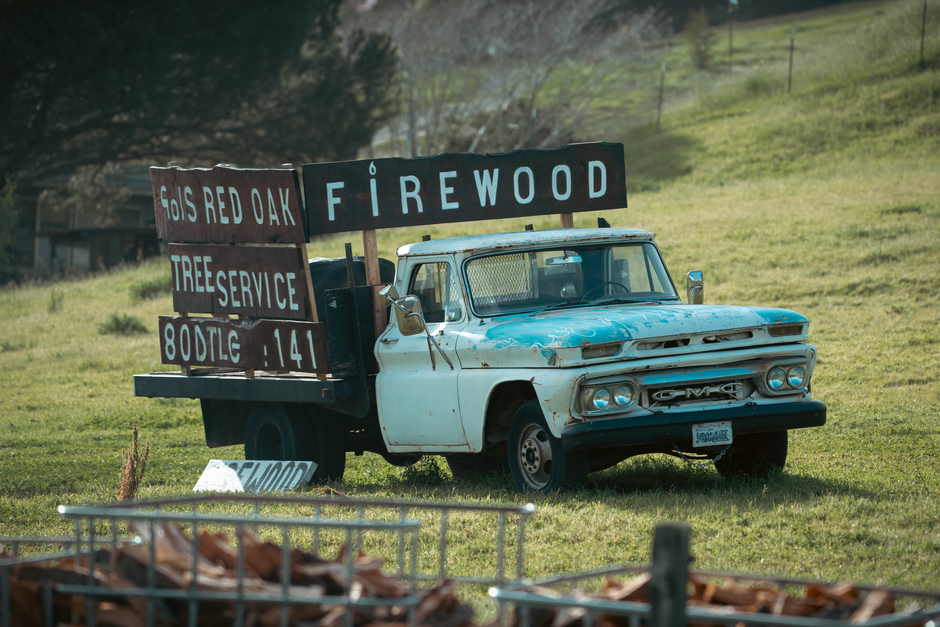
Long before ethanol and biodiesel, wood was the original biofuel for motor vehicles. During World War II, when gasoline supplies were cut off in Europe and Asia, many countries turned to wood gasification to keep cars and trucks moving. The technology involved burning wood or charcoal in a limited-oxygen environment to produce a flammable gas—mainly carbon monoxide and hydrogen—which was then fed into a modified internal combustion engine.
Wood gas wasn’t just a wartime stopgap. After the war, some nations continued to experiment with it, especially where oil was scarce or expensive. But the fuel had serious drawbacks. The gasifiers were bulky and heavy, often taking up the entire trunk or bed of a vehicle. They required constant maintenance, and the wood needed to be dried and chopped into uniform pieces. Starting the system could take 15 to 20 minutes, and power output was significantly lower than gasoline.
Today, wood gas has largely disappeared from the road, but not from memory. It still powers some generators in remote areas and is used in developing regions where petroleum is hard to come by. As the world looks for alternative fuels, wood gas serves as a reminder that innovation often comes from necessity—and that the simplest solutions sometimes have the biggest hurdles.
What do you think?