
Why Lotus Retired the Elise: The End of a Lightweight Era
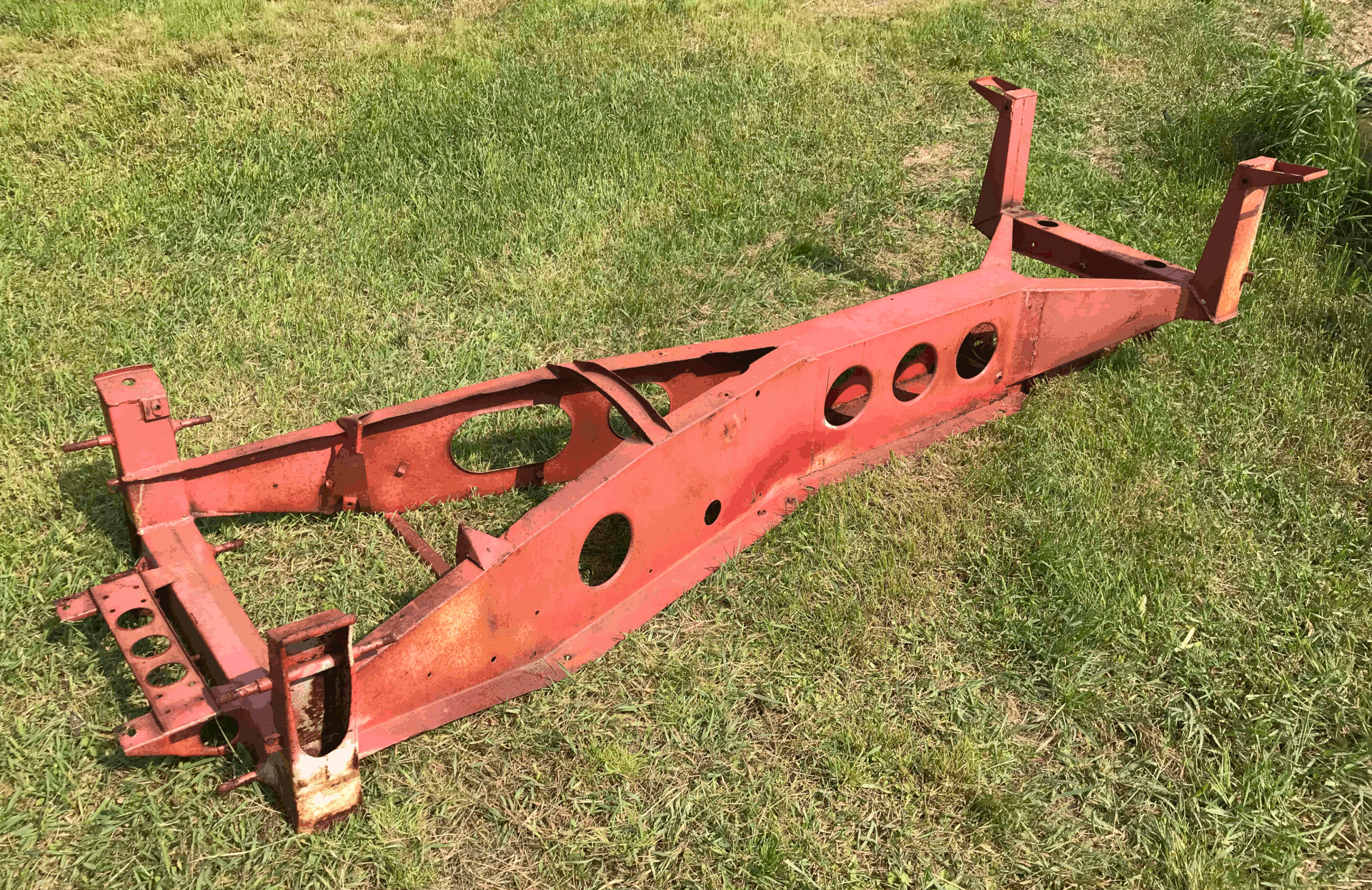
The Lotus Elise earned a devoted following over more than two decades by staying true to a single idea: keep the car small, light, and focused on the driving experience. Its mid-mounted engine and bonded aluminum chassis made it one of the most engaging sports cars of its time, and it remained a benchmark for purity even as the rest of the industry changed around it.
So why did Lotus bring it to an end? A major factor was regulation. New safety and emissions requirements, along with changing crash-test standards, made it increasingly difficult for a niche low-volume sports car to remain compliant without a costly redesign. The Elise was engineered around a philosophy that prioritized weight savings, which left little room to add the structure and systems modern rules demand.
Commercial realities also played a role. Lotus was moving in a new direction, aiming to reposition itself as a broader performance brand with fresh models and a long-term electrification strategy. Keeping the Elise in production no longer fit that plan, even though the car had become an icon for enthusiasts.
In the end, the Elise represents a kind of sports car that has grown rare: minimal, lightweight, and more about feedback than figures. Its departure marked the close of one chapter at Lotus, even as the company set out to write the next.
What do you think?