
Why Giving a Teen a Massive Truck Might Backfire
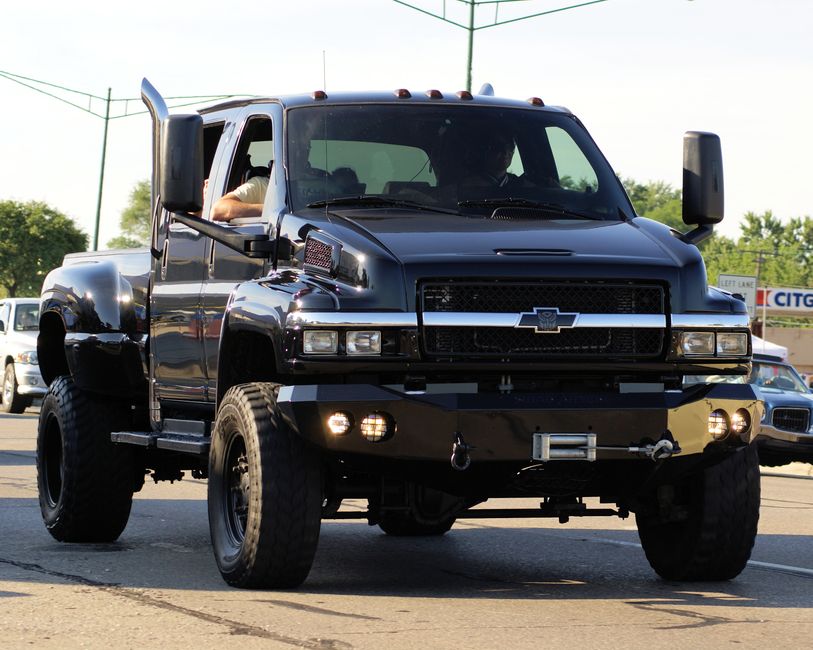
There’s a certain logic among parents handing over the keys to a newly licensed teen: give them the biggest vehicle available, betting that sheer mass will trump any collision physics. An older F-150 or a heavy SUV like an Excursion seems like a protective fortress. The idea is simple, but the real-world math is more complicated than just size.
Safety experts often point out that weight does offer an advantage in a crash, but that advantage can quickly evaporate if the driver lacks experience. A three-ton vehicle demands more stopping distance, more careful steering, and a better understanding of its limits. A teen with only a few dozen hours behind the wheel may struggle with those demands, turning a safety feature into a potential hazard.
The debate has reignited after a viral social post highlighted this parental strategy. Critics argue that the real risk isn’t the other car, but the driver who hasn’t yet mastered the basics of braking, cornering, and evading obstacles. Instead of relying on bulk, many suggest starting with a smaller, more forgiving car that builds skill before they ever step up to a heavyweight.
For parents facing this decision, the answer isn’t simply ‘bigger.’ It’s about matching the vehicle to the driver’s skill level, not just the potential crash scenario. A compact sedan with modern safety features might offer more real-world protection than a lumbering truck, especially when the driver’s expertise is still forming.
What do you think?