
Why Bathurst's Last-Lap Fuel Failure Makes the Case for Electric Racing
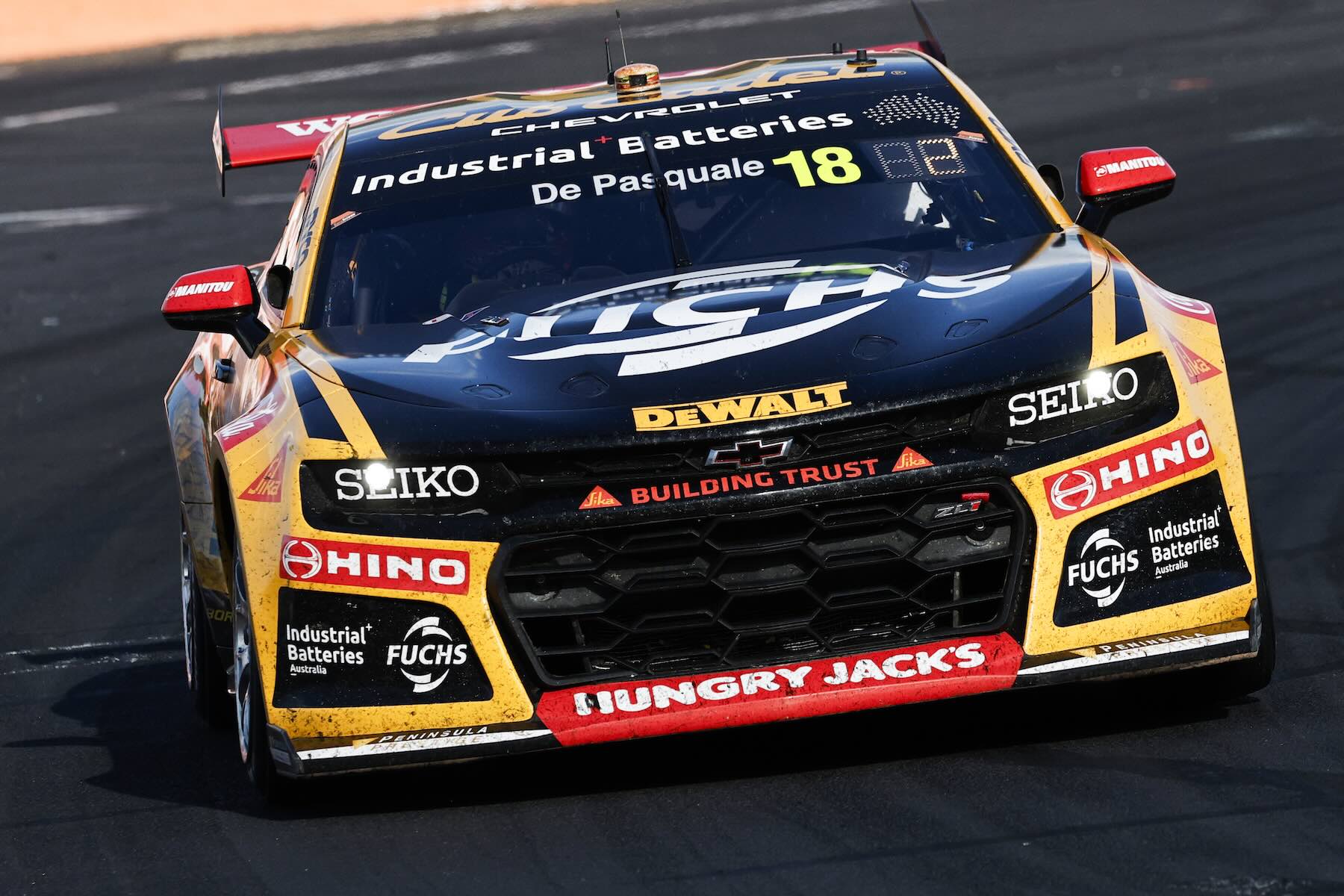
The finish line at Mount Panorama has always demanded more than raw pace, and this year’s Bathurst 1000 underlined that truth in the harshest way possible. Anton De Pasquale, running among the fastest cars in the field and backed by professional engineers, live telemetry and a full pit crew, simply ran dry on the final lap and could not make it to the flag. It was range anxiety in its purest form — played out in front of one of the largest audiences in Australian motorsport, in a machine designed with no expense spared. The lesson is hard to miss: an energy strategy that cannot carry you to the finish renders outright speed meaningless.
That failure reframes a debate the sport has been avoiding. With battery-electric vehicles projected to reach half of global new-car sales by around 2028, it becomes increasingly difficult to justify pouring billions into refining internal-combustion powertrains purely for the racetrack. Motorsport has never been only spectacle; it has been a pressure chamber where efficiency, durability and reliability are tested and then quietly transferred to the cars ordinary people drive. Horse racing gave us the thoroughbred, and the automobile inherited the same laboratory logic. If combustion is a technology on its way out, racing’s engineering focus arguably needs to follow the money and the talent toward electric drivetrains.
Traditionalists object that electric racing lacks drama, and the complaint deserves a serious answer rather than a dismissal. Sound and vibration are deeply woven into car culture, but that noise is a by-product of one particular propulsion method, not the definition of competition. Glider pilots, speed skiers and sailors all pursue speed in silence. In a combustion engine, the majority of the fuel’s energy escapes as heat, with further losses to friction and vibration; an electric drivetrain converts far more of its stored energy into forward motion. What sounds like a lack of performance is, from an engineering standpoint, the sound of efficiency finally arriving.
That does not mean electric racing simply inherits an audience. MotoE was suspended after failing to build enough of a following, a reminder that technology alone never made a sport compelling — competition, storytelling and fan connection do the real work. Electric motorsport has to invent its own theatre, whether through blistering acceleration, pack racing, visible energy management, rapid charging or battery swaps. The pit crew does not vanish; its tasks change. Championship events have already tested the concept: Formula E’s mandatory 30-second Pit Boost adds ten percent battery energy and forces genuine strategic dilemmas about timing.
The endurance question is tougher. Could a battery-electric car contest Bathurst’s 161 laps and 1,000 kilometres under the current format, with everything else unchanged? Probably not yet. Commercial battery exchanges take several minutes today, and a race-ready rapid swap remains an open engineering problem — precisely the kind of challenge motorsport exists to solve. Extend the format, and an electric Bathurst could hinge on charging stops, regeneration and thermal management layered over familiar tyre and pace decisions. Spectators might watch in real time as one driver attacks while another harvests through the Esses, banking charge for a final-lap push. Every endurance race has always been an energy race; only the carrier changes. Combustion racing will endure as heritage and nostalgia, much as historic meetings still accompany modern events. But the technological centre of gravity is shifting, and racing follows engineering talent, manufacturer investment and commercial opportunity. The future is electric — for motorsport too.
What do you think?