
When Cloud Outages Turn Perfectly Good Cars Into Expensive Paperweights
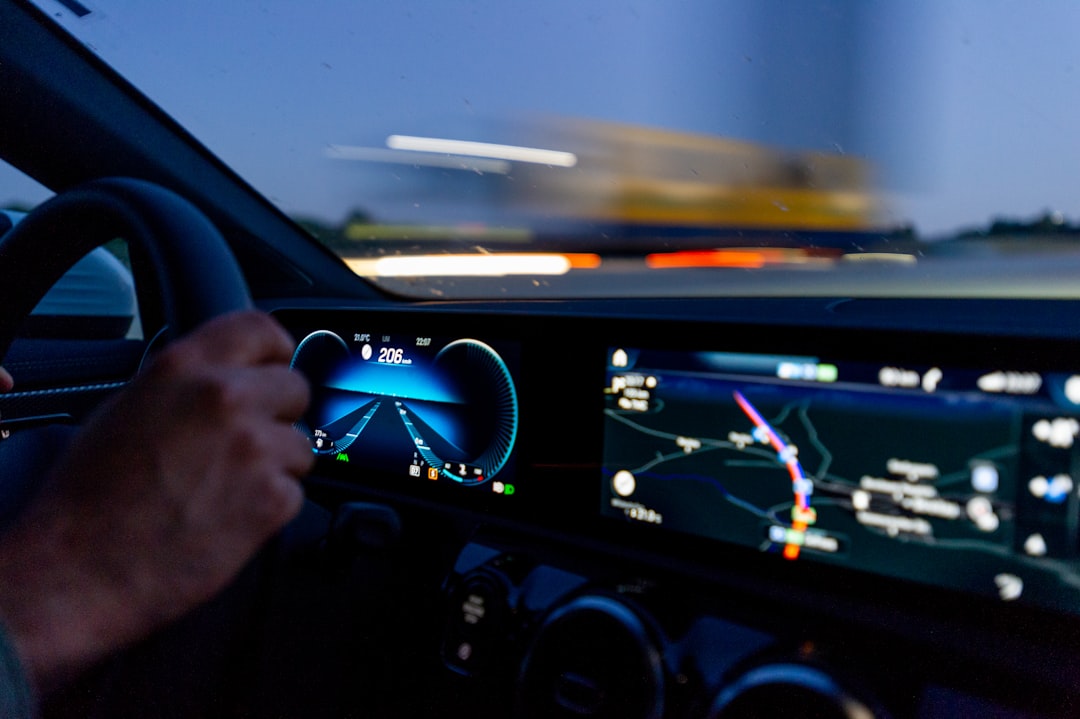
In March, drivers across 46 U.S. states suddenly found themselves unable to start their vehicles, not because of mechanical failure, but due to a cyberattack targeting Intoxalock, a major provider of ignition-interlock devices. These breathalyzer systems, typically installed in cars of drivers convicted of alcohol-related offenses, require the driver to blow into a tube before the engine can turn over. When Intoxalock’s backend servers went down, the devices could not verify compliance data, and many refused to start even when drivers passed the breath test. Social media quickly filled with complaints about missed work, canceled appointments, and cars stranded in driveways for hours or even days. Intoxalock later confirmed the cybersecurity incident, but emphasized that the breathalyzer sensors themselves remained accurate and safe. The problem, they explained, was that service technicians couldn’t access the in-car software to route maintenance logs, and without periodic server communication, the interlock would not authorize ignition. This episode is a stark reminder that modern vehicles are no longer just mechanical machines—they are increasingly dependent on cloud-based services that can fail, leaving drivers high and dry. According to Sam Abuelsamid, a vice president at the mobility research firm Telemetry, this reliance on connectivity is a growing industry trend. He points to examples like using smartphones instead of keys, which can lock drivers out in areas with poor cellular coverage. Even autonomous vehicle fleets, such as Waymo and Baidu’s Apollo Go in Wuhan, have suffered stalls when their backend connections dropped, causing traffic jams and stranded passengers. Automakers are moving toward subscription-based features, which creates recurring revenue but also deepens the need for reliable backend infrastructure. While over-the-air updates and remote diagnostics are valuable, they introduce vulnerabilities. Some manufacturers, like Ford, offer local fallbacks such as a numeric PIN keypad, demonstrating that such redundancies are crucial. The Intoxalock incident underscores a fundamental shift: the resilience of future vehicles will hinge as much on the robustness of their backend systems as on their physical components.
What do you think?