
Voi Digs In: E-Bike Operator Won't Pull Out of Ealing Despite Expired Contract
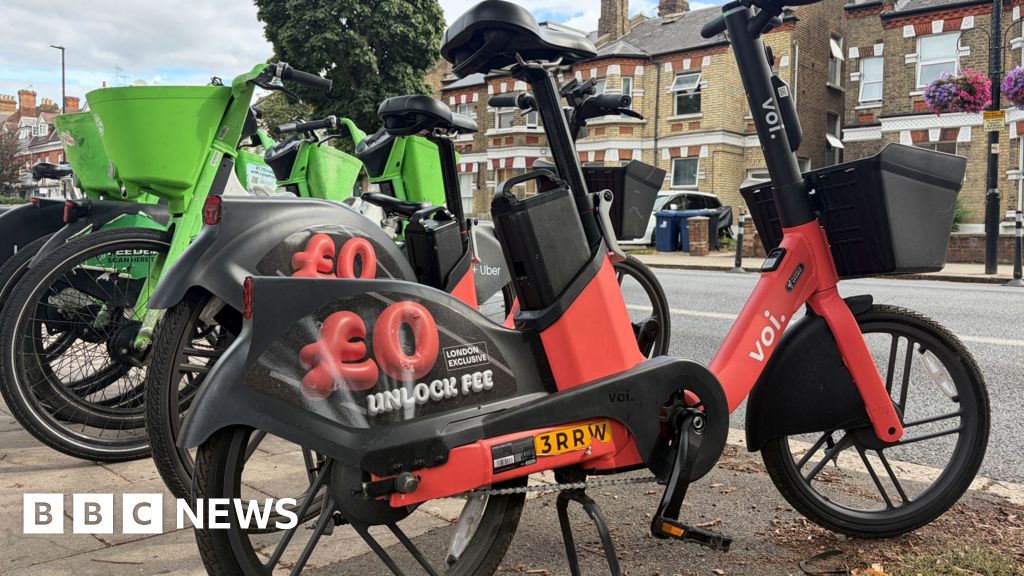
Swedish micromobility operator Voi is refusing to remove its e-bikes from the London borough of Ealing, even though its operating contract with the local council has come to an end. The standoff, first reported by the BBC, highlights a growing friction point between shared-transport companies and municipal authorities as city contracts expire and new operators are brought in.
Ealing Council had awarded the next phase of its e-bike sharing program to a different provider, meaning Voi’s time on the borough’s streets was officially up. But rather than quietly decommissioning its fleet, the company has chosen to stay put — a decision that could force the council into a lengthy enforcement process if the bikes remain in public spaces.
For riders, the practical effect is confusion. Users who rely on Voi’s app for short trips around Ealing may find the service still technically available while its legal status hangs in the balance. Local officials, meanwhile, face questions about how they will manage a shared fleet that no longer has a formal agreement with the borough.
The dispute touches on a broader issue for the UK’s e-bike and e-scooter sector: what happens when a contract ends and the hardware doesn’t disappear overnight. Unlike traditional transport infrastructure, shared bikes are mobile assets scattered across pavements, parks and side streets, making a clean handover far harder to enforce than a bus route or rail franchise.
Voi has not indicated how long it intends to keep operating in Ealing or what conditions would prompt it to leave. The council has yet to outline its next steps publicly. For now, the borough’s streets remain a test case for how cities and micromobility firms negotiate the messy reality of ending a partnership.
What do you think?