
Vianode and FAAM Turn Battery Production Scrap Into Anode-Grade Graphite
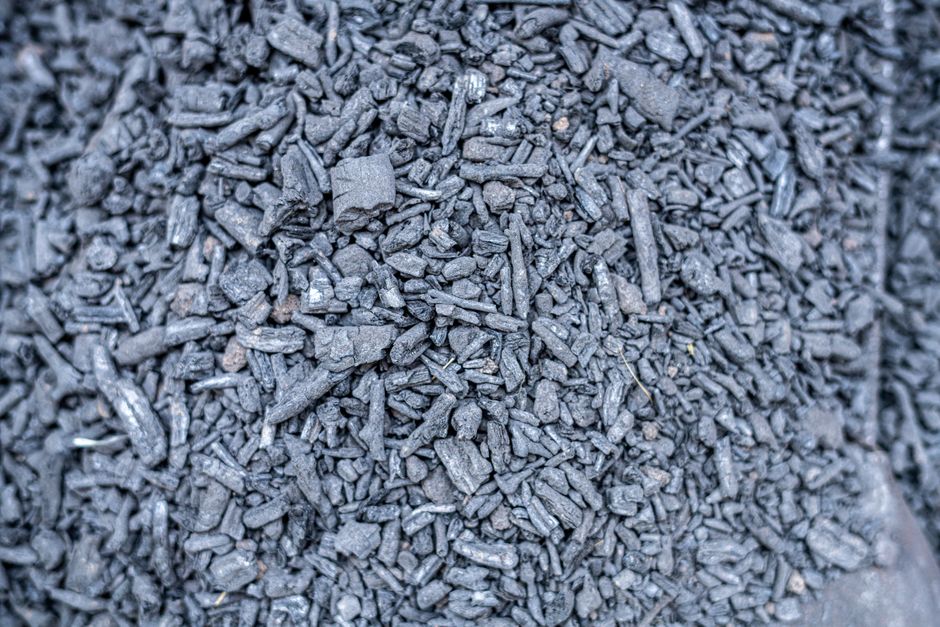
Norwegian battery materials specialist Vianode and Italian cell maker FAAM have jointly shown that graphite recovered from FAAM’s anode production scrap can be reprocessed back into anode-grade graphite, a result that could chip away at one of the battery industry’s most stubborn waste streams.
The two companies ran a development and qualification program to test the recycling route, and say the material meets the requirements needed for reuse in cell manufacturing. Building on that outcome, they are now widening their partnership with the goal of scaling the process toward industrial deployment and feeding more recycled graphite into regular battery production.
Anode scrap is a familiar headache for cell manufacturers. Cutting and coating electrodes inevitably generates off-spec graphite, and that material has traditionally been treated as waste rather than a feedstock. Recovering it at a quality high enough to go back into anodes matters for both cost and supply: graphite is the single largest input by volume in a lithium-ion cell, and Europe has been pushing to reduce its reliance on imported anode material.
For Vianode, the collaboration reinforces its positioning as a supplier of sustainable anode materials, while FAAM gains a potential route to close the loop inside its own production lines. Neither company has disclosed the volumes involved or a timeline for commercial rollout, so the immediate impact will depend on how quickly the qualification work translates into plant-scale output.
The announcement lands amid a broader push across the battery chain to treat manufacturing scrap as a resource. Recycling efforts have largely focused on end-of-life packs, but production scrap offers a more consistent and better-characterized stream, which makes it an attractive starting point for closed-loop anode supply.
What do you think?