
Vertical Aerospace Adds Defense and Rotorcraft Veteran Clyde Woltman to Its Board
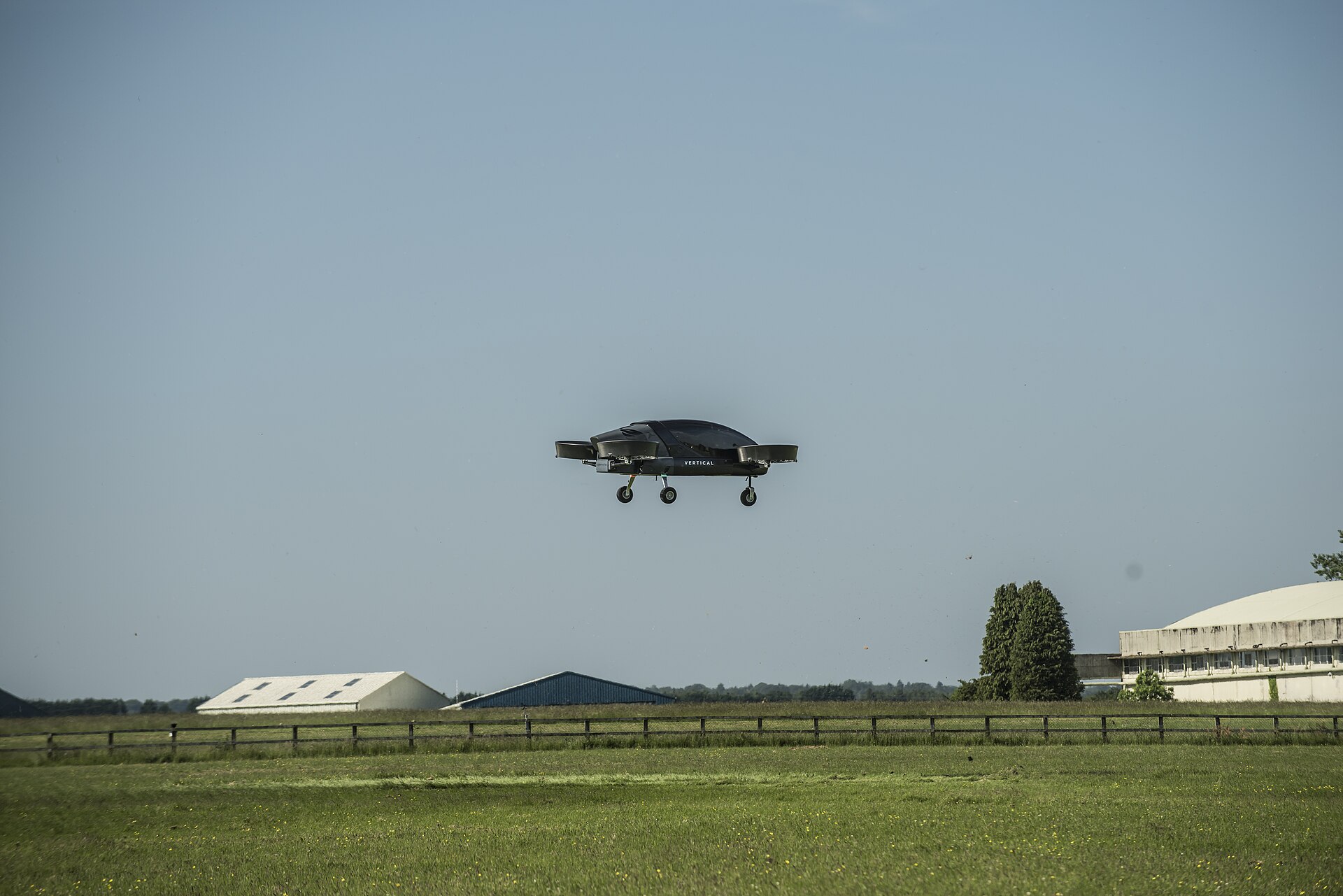
Vertical Aerospace is reshaping its boardroom as it pushes the Valo electric air taxi toward certification, naming Clyde Woltman as a new director. Woltman brings a résumé that stretches across commercial rotorcraft, defense contracting and military aviation — a combination the company clearly wants at the table while it courts both civilian and government customers.
For roughly a decade at Leonardo Helicopters’ US arm, Woltman ran an operation valued at about $1 billion, overseeing everything from sales and engineering to certification, manufacturing, customer support and R&D across the Americas. Before that he logged senior roles at Aerojet Rocketdyne, now folded into L3Harris Technologies, and at Pratt & Whitney, where his portfolio touched advanced defense and aerospace work — including the F135 powerplant that drives the F-35 Joint Strike Fighter.
His military background is just as deep. Woltman retired from the U.S. Marine Corps as a colonel, having held leadership posts in aviation, operations and program delivery, among them command assignments during combat operations. Vertical framed the hire as a deliberate move to deepen its board’s grounding in U.S. defense, government and aerospace affairs.
The appointment slots into a broader boardroom reshuffle. Earlier, the company tapped Fabrice Brégier — the former chief executive of Airbus Commercial Aircraft — to chair its board. In the same breath, Vertical confirmed that Carsten Stendevad and James Keith Brown are stepping down as directors, both resignations dated October 5, and thanked the pair for their service.
Behind the governance moves sits the Valo itself, which is working its way through development, testing and manufacturing preparations. Vertical has said it is chasing UK Civil Aviation Authority type certification in 2029, with the first certification-conforming airframe expected to be assembled in 2027. Alongside that certification effort, the company is exploring hybrid-electric, autonomous and defense applications for its technology — the very areas where Woltman’s experience could prove most relevant.
What do you think?