
Velotric Nomad 2 Lands With a Free Second Battery, Plus Bluetti and Hiboy Deals
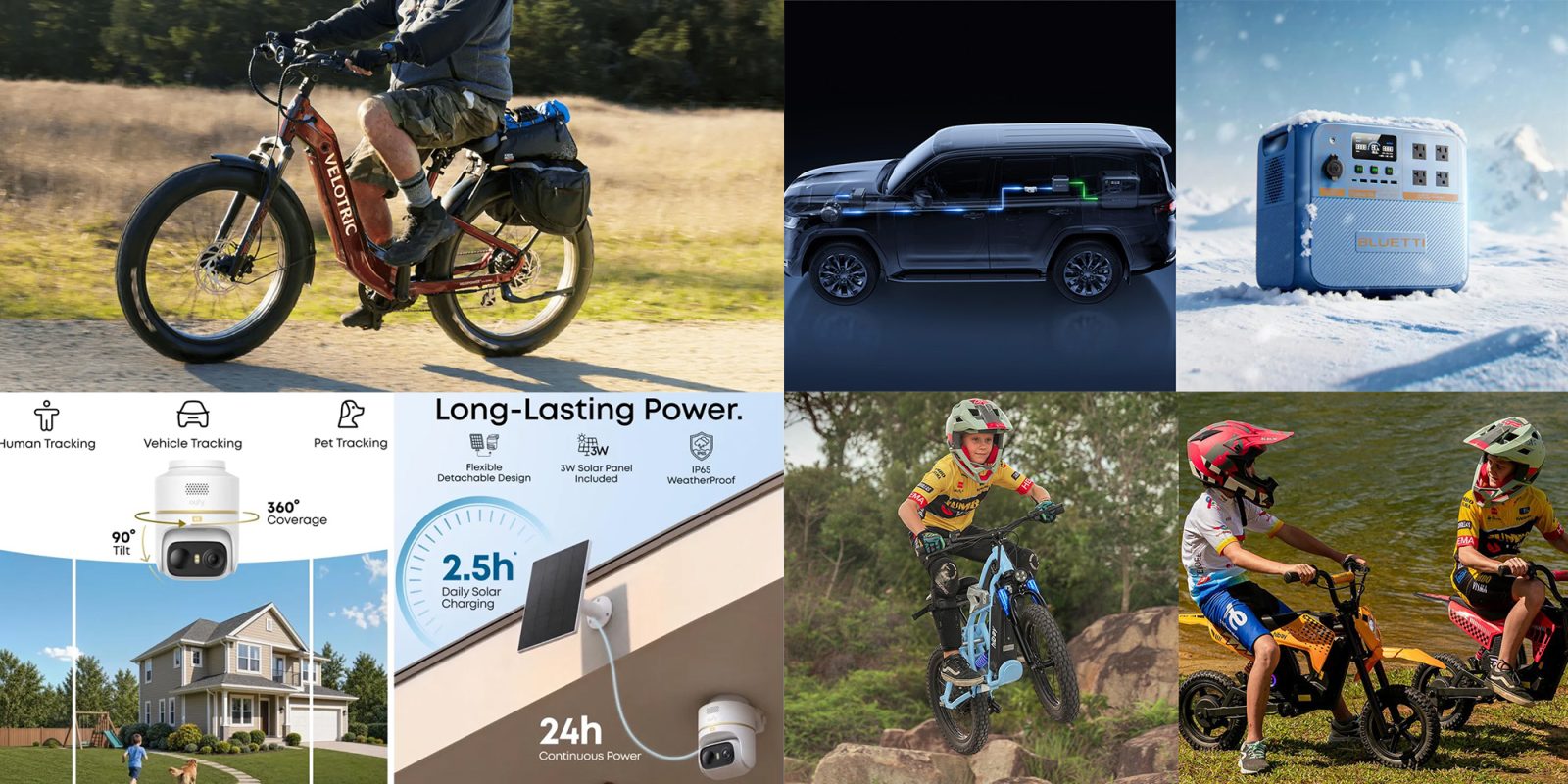
Velotric is throwing in a spare battery worth $550 with its Nomad 2 off-road fat-tire e-bike, lifting the model's potential range to roughly 130 miles without touching the $1,999 sticker. It’s the same bundle shoppers saw in September and remains the deepest saving the brand has attached to this particular model — earlier promotions only shaved the bike’s price to $1,749 at best.
Elsewhere in today’s roundup, Bluetti’s sodium-based Pioneer power station pairs with an alternator charger for an exclusive combined low, and Hiboy’s miniature electric dirt bikes for kids are discounted across Amazon.
- Velotric Nomad 2: $1,999 with a free $550 extra battery; the bike ships with Find My tracking and now stretches to 130 miles of assisted travel when both packs are carried.
- Bluetti Pioneer Na bundle: An exclusive checkout code brings the 900Wh sodium power station plus Alternator Charger 1 down to about $854, versus a $999 list price for the package.
- Hiboy kids’ dirt bikes: The DK2 (ages 3–7) starts near $300, the DK1 (ages 3–10) sits around $360, and the 48V DM14 (ages 8–14) drops to roughly $540 — with stock thinning out.
- Security add-on: A two-camera eufyCam C37 solar kit with HomeBase 3 is offered at $260 for a single day, down from a $400 regular price.
Why It Matters
E-bike makers have leaned on bundled extras rather than headline price cuts to move premium models, and Velotric’s approach is a case study: buyers effectively get double the range for the standard outlay, which matters more to trail riders than a modest discount. The sodium-chemistry angle from Bluetti is worth watching too, since sodium cells sidestep some of the cost and supply pressures tied to lithium, even if energy density still trails it. For families, the real entry point into electric mobility is often a child-sized dirt bike, and sub-$400 pricing there widens the funnel considerably. None of these offers address the broader question of charging infrastructure, but they do show how aggressively accessory and bundle pricing is being used to compete at the value end of the market.
Source: Electrek
What do you think?