
U.S. Fuel Economy Rules Loosened: Washington's Own Numbers Say It Will Cost Lives
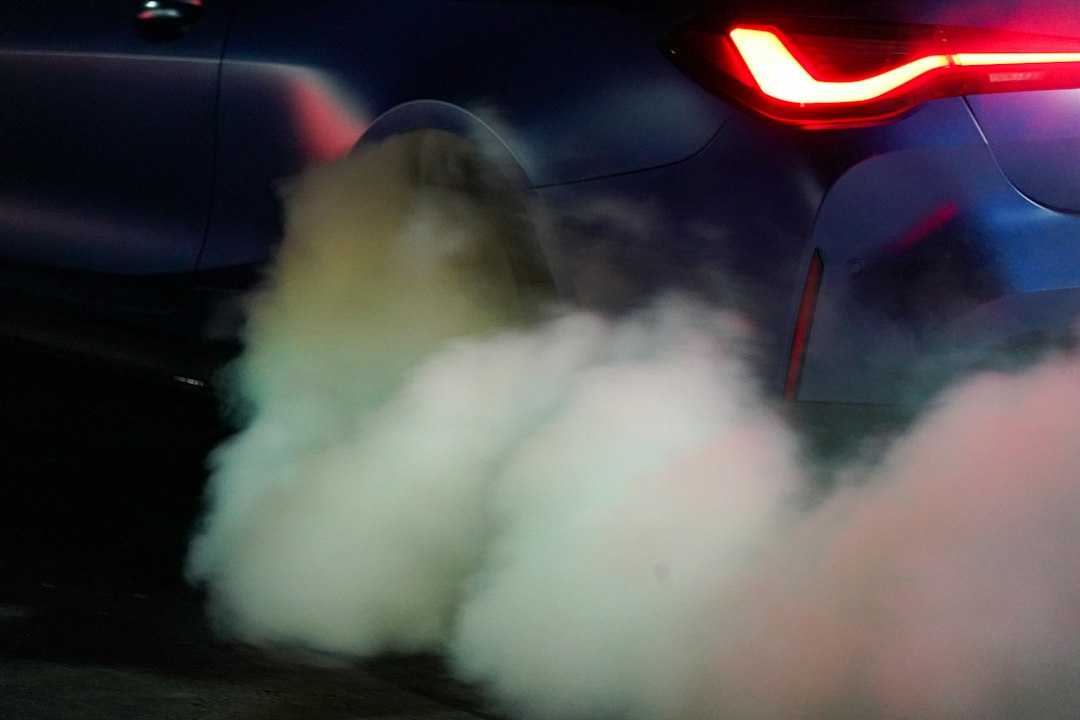
The federal government has moved ahead with a rollback of Corporate Average Fuel Economy (CAFE) standards, the latest step in a broader retreat from the efficiency and emissions rules put in place during the previous administration. Under the new framework, automakers would only need to improve their fleet-wide efficiency by roughly 1% per year, reaching a fleet average of about 34.9 mpg by 2031. The rules it replaces called for 2% annual gains and a 50.4 mpg target over the same period.
The looser target is striking given how close the industry already is to it. In an EPA ranking released earlier this year, Honda topped the list with a fleet average of 31 mpg, and no automaker in the top five fell below 29 mpg — including BMW, whose lineup is built around high-performance M cars. In other words, 34.9 mpg reads less like an ambition and more like something the market was already drifting toward.
What makes the change notable is that the government’s own analysis spells out the public-health consequences. The National Highway Traffic Safety Administration, which outlines the revised standards, projects that by 2050 the relaxed rules would contribute to 297 emergency room visits, 733 cases of acute bronchitis, 140 cardiovascular hospital admissions and 524 premature deaths. Officials argue the lighter regulatory load helps keep vehicle prices down, but the toll described in the same documents runs in the other direction.
The shift also carries strategic weight. By reducing the pressure to build cleaner and more efficient vehicles, it weakens the incentive to invest in electrification at a moment when much of the global auto industry is pushing that way. Separate projections cited by the agency point to Americans burning billions of additional gallons of gasoline, along with higher surface temperatures from the added CO2. Critics of the rollback note that the rest of the world is unlikely to slow down just because Washington has.
Photo: Gleb Khodiakov on Unsplash (Unsplash License)
What do you think?