
Toyota to Build Waymo Robotaxis in Japan as Aurora, Baidu and VW China Push Driverless Plans Forward
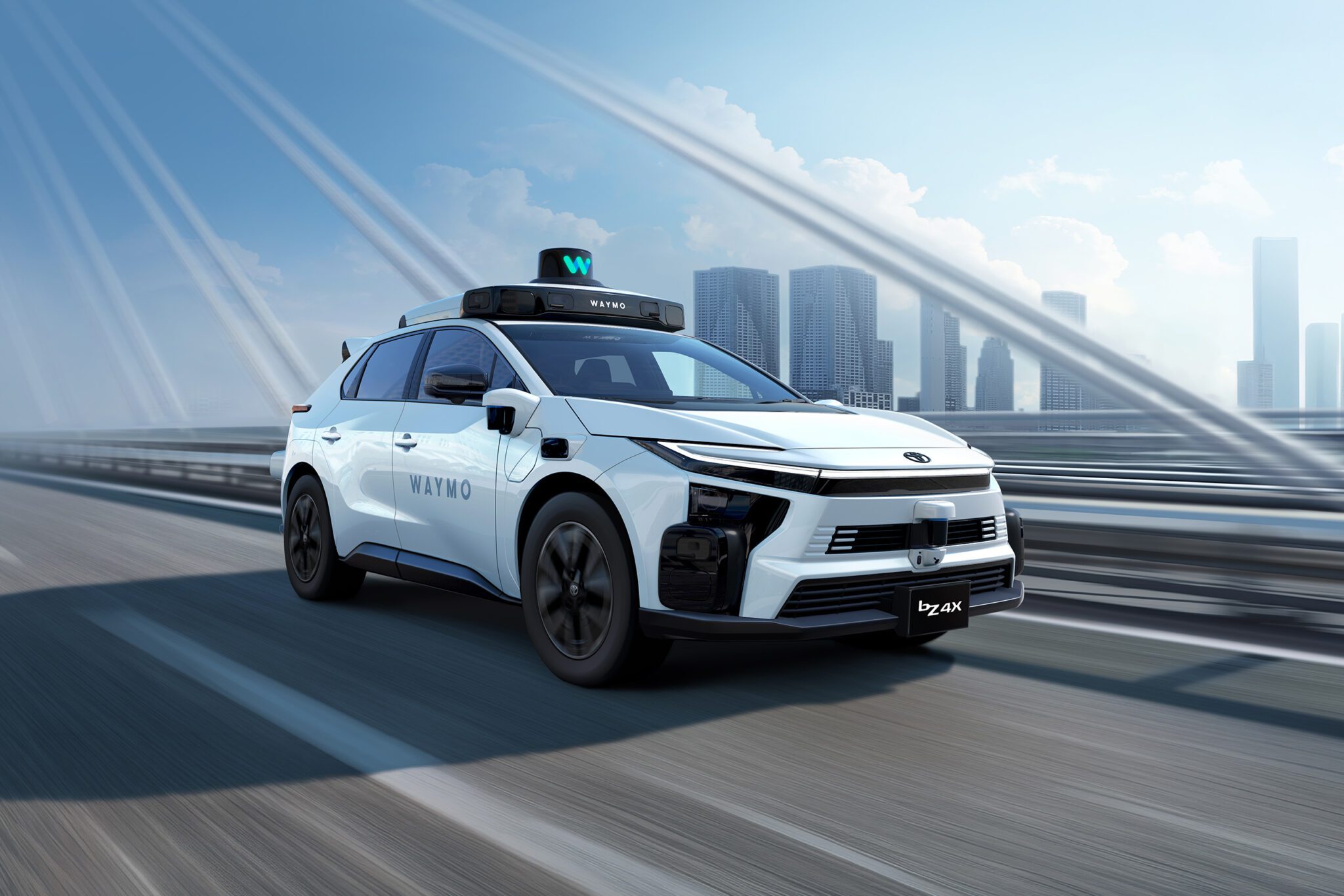
Toyota is preparing to assemble Waymo robotaxis at its Takaoka plant in Japan — one of four developments reshaping the driverless race this week, alongside Aurora Innovation’s truck rollout, a London robotaxi target for 2027, and a Level 3 trial permit for Volkswagen Group China.
The Takaoka production plan puts Toyota at the center of a manufacturing relationship that goes well beyond a simple supply deal. Building Waymo’s hardware on a Toyota line gives the Japanese giant a physical stake in robotaxi output, while Waymo gets access to established assembly capacity in Japan.
Trucks, London and Hefei
Aurora Innovation expects to fit its driverless system to 20 trucks per week from early December, a pace that turns its autonomous freight program from a demonstration into something closer to volume.
On the passenger side, Lyft-owned Freenow and Baidu’s Apollo Go are aiming for a commercial driverless service in London in 2027. That timeline makes the UK capital the next major European testbed for Apollo Go’s international expansion.
Volkswagen Group China, meanwhile, has secured a permit to trial Level 3 autonomous driving on public roads in Hefei. Level 3 shifts responsibility to the vehicle in defined conditions — a meaningful regulatory step for VW’s local operations.
The Week in Numbers: 20 trucks per week at Aurora from December · London driverless service targeted for 2027 · VW China granted Level 3 public-road trial permit in Hefei
Why the Manufacturing Angle Matters
Robotaxi programs have long been judged on software milestones. Toyota’s Takaoka role suggests the conversation is shifting toward who can actually build these vehicles at scale, and where.
For Toyota, the arrangement adds a high-profile customer to a domestic plant. For Waymo, Japanese assembly capacity could ease a bottleneck that has constrained fleet growth in the past.
Aurora’s weekly installation target points in the same direction: the hard part is no longer proving the technology works — it is getting it onto vehicles fast enough to matter. Freenow and Apollo Go’s London ambitions will test whether that holds in a dense, heavily regulated city.
Details on pricing, fleet sizes and the regulatory fine print remain thin. The direction of travel, though, is clear enough.
Photo: Toyota / Automotive World · Official Press Kit / Editorial (Editorial / Press Kit)
Source: Automotive World
What do you think?