
Toyota Reshapes China Strategy as FAW, GAC Forge Three-Way Alliance
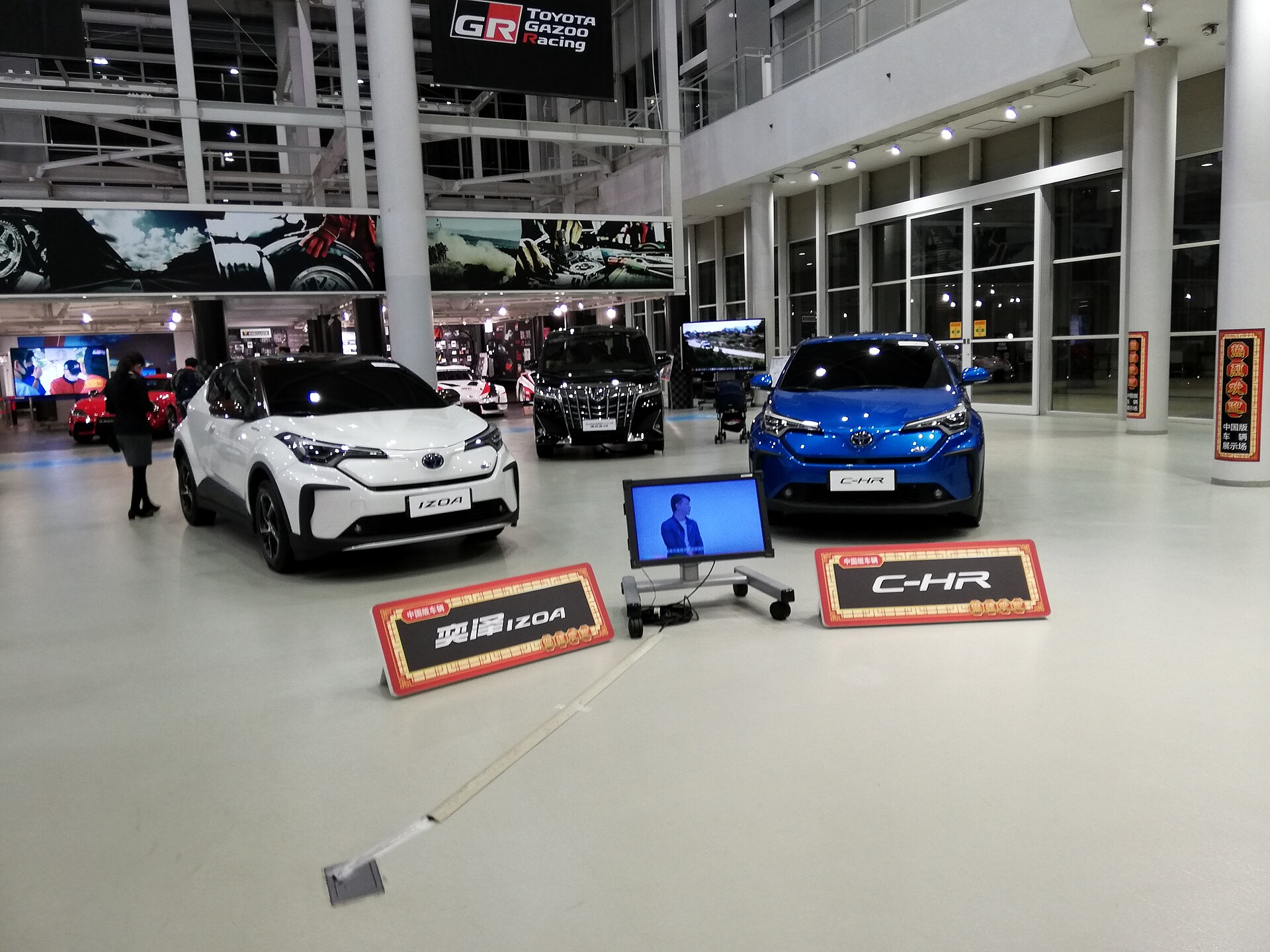
Toyota’s two long-standing Chinese joint ventures are being drawn into a single strategic framework. Under a newly signed three-way agreement, Guangzhou Automobile Group (GAC) will take over FAW’s 50% stake in FAW Toyota by issuing new shares, a move that turns FAW into a significant shareholder in GAC itself. Toyota sits at the center of the arrangement. FAW Toyota will continue to operate as a standalone entity for now, though a subsequent phase is expected to align research, purchasing, manufacturing and distribution with GAC Toyota, effectively merging the two ventures’ core functions over time.
The architecture of the deal is built on a separate framework between FAW and GAC’s parent company, Guangzhou Automobile Industry Group. That framework establishes an asset and capital alliance designed to synchronize industrial resources across regions, binding two of China’s state-owned automakers into a tighter partnership. The practical effect is a concentration of Chinese ownership around Toyota’s operations in the country, with state-backed stakeholders taking a more prominent role in steering the ventures’ direction.
Toyota’s history in China stretches back more than two decades, with its partnership with FAW beginning in 2002 and GAC Toyota established in 2004. Between them, the two ventures have delivered vehicles to over 23 million Chinese customers. As foreign joint ventures in China face intensifying competitive pressure, closer coordination would allow the two entities to share development and procurement costs while accelerating work on electrification and intelligent vehicle technologies — areas where local rivals have moved aggressively.
The decision not to fold FAW Toyota directly into GAC Toyota appears deliberate. Maintaining both entities while gradually aligning their operations limits operational disruption and reduces the regulatory complexity that a full merger would trigger. The companies did not disclose a financial value for the transaction or a timetable, stating only that the required procedures would be carried out. The signing was attended by GAC Chairman Feng Xingya, FAW President Liu Yigong and Toyota President Kenta Kon.
The consolidation reflects broader strains across China’s foreign joint venture model. Once a reliable path to market access and volume, the structure has come under pressure as domestic manufacturers gain share and price competition erodes margins. Combining duplicate research, procurement and production footprints suggests the separate arrangements had grown too costly for a market that is no longer expanding at its former pace. How quickly the functional integration proceeds — and whether FAW Toyota’s independent status persists — will be the key signal of how far Toyota is willing to go in restructuring its Chinese operations.
What do you think?