
The False Choice Between Cheap Energy and a Stable Climate
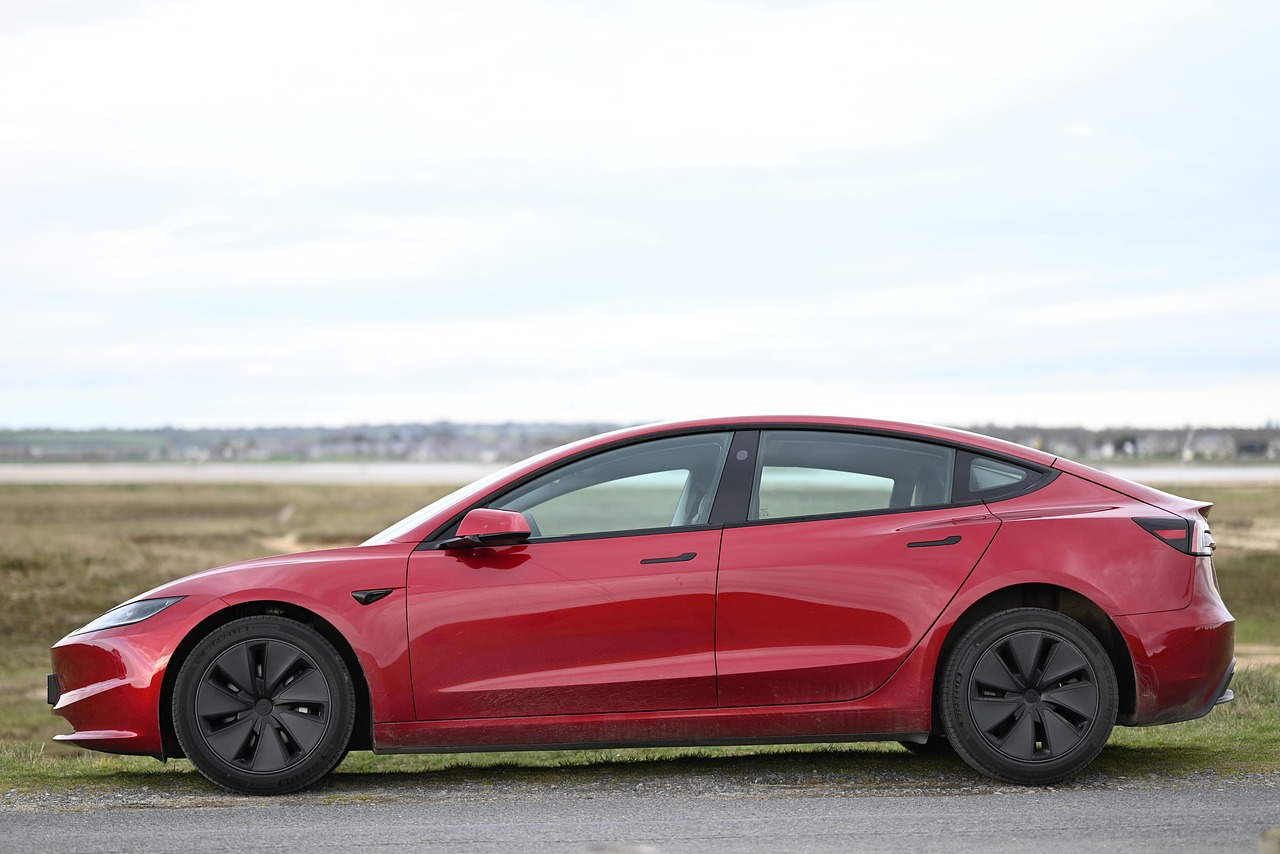
A recent letter to the Boston Globe’s editors captures a tension that keeps resurfacing in American politics: the idea that voters must pick either affordable living or meaningful climate action. The writer points out that billions are already being lined up for adaptation projects — sea walls, levees, and other flood defenses — and argues there is no time to waste. The implicit question is why the public conversation so often frames these two goals as mutually exclusive.
The framing itself deserves scrutiny. Clean energy technologies, including electric vehicles and grid-scale batteries, have followed steep cost declines over the past decade. That trajectory means the affordability argument against climate policy is weaker than it was when renewable power was a niche, premium product. Meanwhile, the costs of inaction — property damage, insurance hikes, infrastructure repairs — are borne by households and municipalities, not just by future generations.
Elections tend to compress complex trade-offs into slogans. When candidates present climate measures as a threat to household budgets, they leave out the mounting price tag of doing nothing. They also overlook the economic upside: domestic manufacturing of EVs, batteries, and charging equipment has become a source of jobs and investment in regions that previously depended on older industries.
None of this erases the genuine strain many families feel. Utility bills, rent, and grocery prices are real pressures, and dismissing them alienates the very voters climate advocates need. The more productive approach is to pair decarbonization with concrete relief — rebates, lower-cost electric models, and infrastructure that brings down the everyday cost of transportation and power.
The letter’s core point stands: adaptation spending is already happening, whether or not it is labeled as climate policy. The choice is not between saving money and saving the climate. It is between paying now for cleaner systems or paying later for damage that is harder to undo.
What do you think?