
Tesla's Q3 Deliveries Hit 486,532 — the Margin Story Now Takes Center Stage
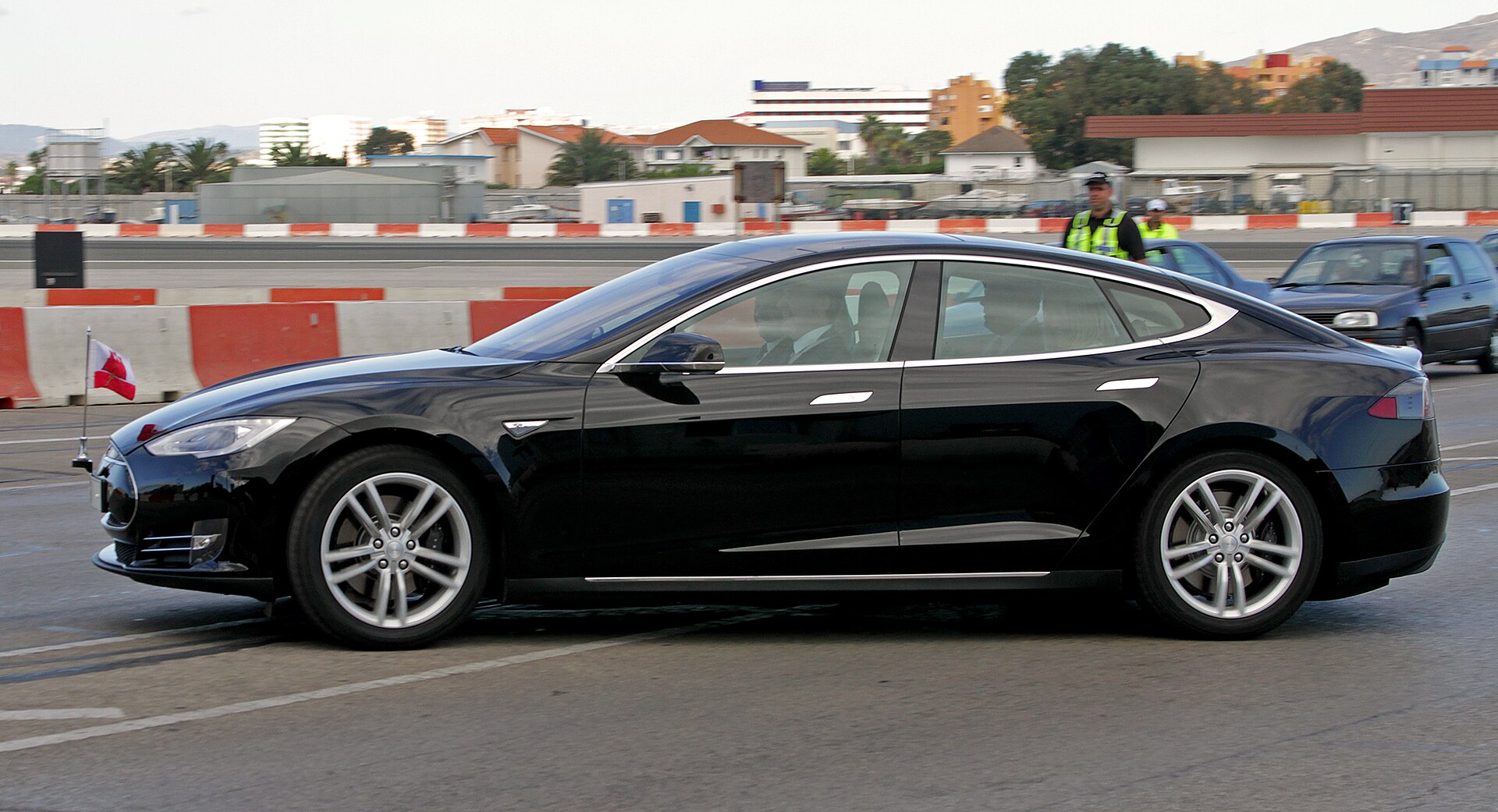
Tesla has reported third-quarter deliveries of 486,532 vehicles, a figure that puts the company’s volume trajectory squarely back in focus ahead of its upcoming earnings release. The number itself is the headline, but the debate among investors is already shifting to a different question: how much profit Tesla actually kept on each of those vehicles.
Automotive gross margin has become the central metric for anyone tracking Tesla’s financial health. The company spent much of the past two years leaning on price cuts and financing incentives to keep sales volumes moving, a strategy that lifted unit counts but compressed the spread between what a car costs to build and what it sells for. Q3’s delivery total suggests demand remains intact, yet it says nothing on its own about whether those sales were profitable at the levels shareholders have historically expected.
That gap is why the margin line in Tesla’s earnings report tends to move the stock more than the delivery line does. Deliveries are reported early and are widely anticipated; margins arrive with the full financials and reveal the underlying economics — production efficiency, average selling prices, the mix between higher-trim and entry-level configurations, and the drag from incentives. A delivery beat paired with margin deterioration can send shares lower, while a modest delivery figure accompanied by stable or improving margins is often read as a sign of discipline.
The broader context matters too. Tesla is not only a car company in the eyes of the market; energy storage, software, and regulatory credit revenue all feed into the profitability picture and can offset weakness in the core automotive business. Investors will therefore be watching not just the headline automotive margin but how those adjacent segments performed during the quarter.
For now, the delivery number provides the starting point rather than the conclusion. The earnings reaction will hinge on whether Tesla can show that it moved nearly half a million vehicles without surrendering the profitability that underpins its valuation.
What do you think?