
Tesla Patent Filings Point to AI and Autonomy Focus as Overall Innovation Pace Slows
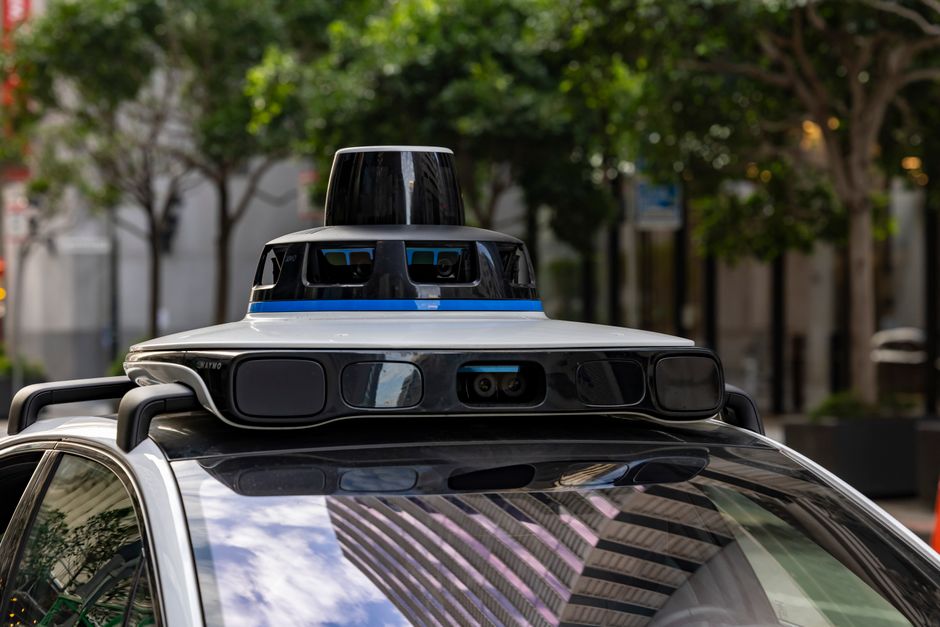
A recent analysis of Tesla’s patent applications suggests the company’s rate of filing new inventions has eased compared with earlier years, while the share of applications tied to artificial intelligence and autonomous driving has grown. The data offers a window into how Tesla is allocating its research and development attention as it pursues self-driving technology.
In plain terms, the patents in question cover methods for training and running machine-learning systems that help a vehicle perceive its surroundings and make driving decisions. Rather than mechanical or manufacturing breakthroughs, these filings center on software techniques — how sensor data is processed, how models are improved over time, and how onboard computing handles real-world driving tasks. The goal is to make automated driving safer and more capable without relying on hand-coded rules for every scenario.
The shift matters because it reflects a broader strategic bet: Tesla appears to be prioritizing the intelligence layer of its vehicles over hardware-only advances. For drivers, the practical effect could be incremental over-the-air improvements to driver-assistance features, though timelines and specific capabilities remain tied to regulatory approval and real-world testing.
What do you think?