
Tesla Files Patent for Virtualization and Machine Learning to Boost FSD
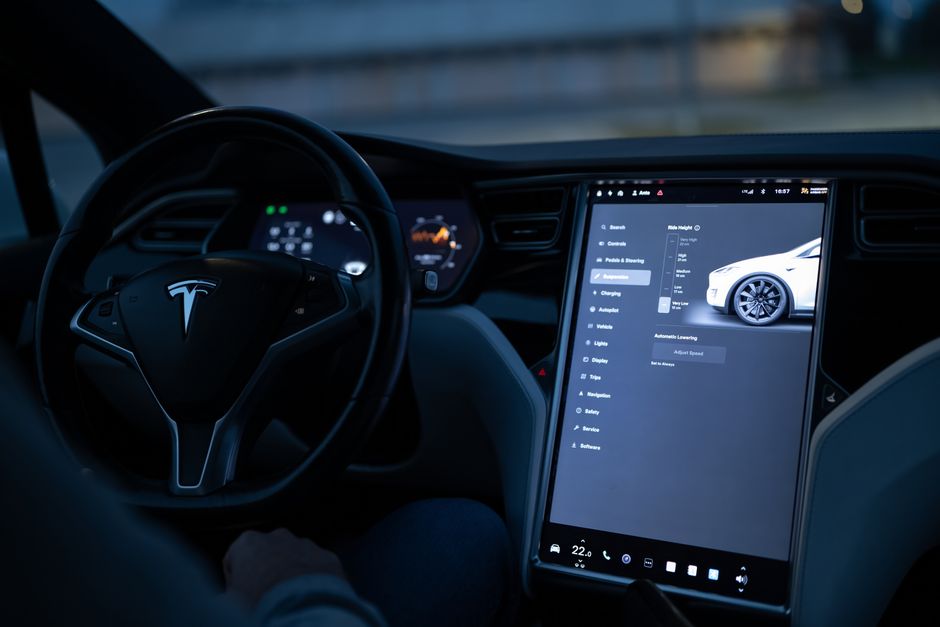
Tesla has filed a patent covering virtualization and machine learning software aimed at improving its Full Self-Driving (FSD) system. In simple terms, the patent describes a way to run driving-related software inside a simulated, virtual environment so that machine learning models can be trained and tested without relying solely on real-world driving. By using virtualization, the system can create many virtual scenarios at once, allowing the software to learn from a wider range of situations and edge cases before those updates reach actual vehicles.
The core problem this addresses is the sheer difficulty of training autonomous driving software on real roads. Real-world testing is slow, expensive, and limited in how often rare or dangerous situations can be reproduced. A virtualized setup lets Tesla generate and repeat those scenarios on demand, feeding the results back into machine learning models. This is intended to make FSD more robust and to speed up the cycle of improvement between software versions.
The patent focuses on the software architecture rather than a specific hardware component, meaning the gains come from how the system organizes and trains its models. Tesla has not issued a public statement or quote alongside this patent filing, so no company comment is available to include. The filing itself signals Tesla’s continued investment in simulation-driven development as a path toward more capable autonomous driving. Further details on implementation timelines have not been disclosed.
What do you think?