
Tau Motors Unveils 19 Electrification Papers, Pushes Software-Defined Power
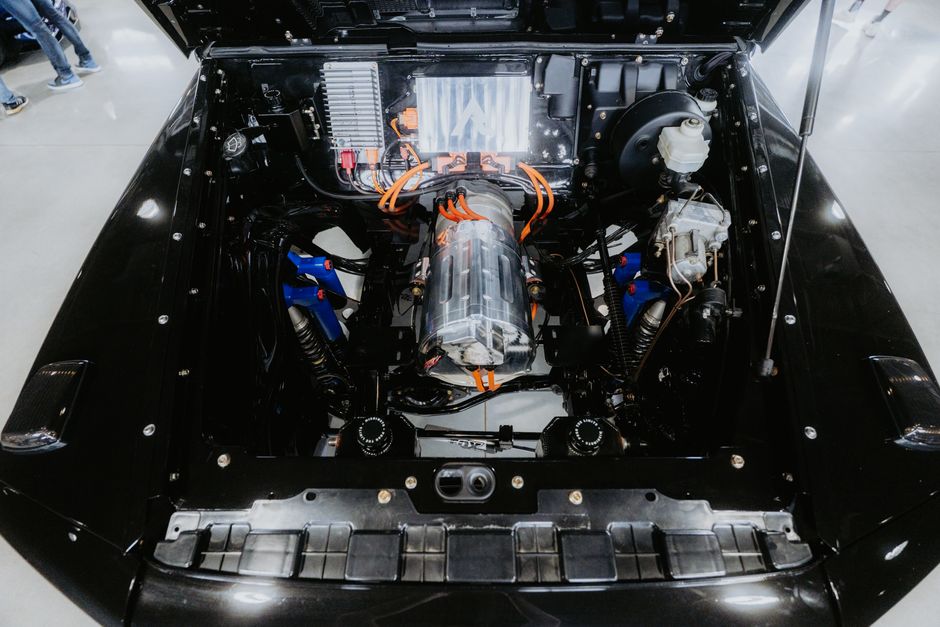
Tau Motors used Climate Week NYC 2026 to spotlight a batch of 19 technical papers developed alongside researchers from the Columbia Center of Advanced Electrification. The company argues that treating motors, power electronics, and software as a single integrated system—rather than separate components—can reduce the industry’s reliance on rare earth materials. The findings were presented during a symposium on September 25, 2026, where founder and CEO Wesley Pennington made the case for this unified engineering approach.
The papers cover a range of topics including power converter control, motor modeling, energy storage, and grid connections. According to Tau, these research efforts form the backbone of its Ion and Gamma platforms, which the company says have applications well beyond passenger vehicles. Ion combines modular power hardware with firmware and code libraries aimed at mobility, industrial, grid, and data center uses. Gamma focuses on merging motor design with control, and Tau claims it enables motors that do not require rare earths—a supply chain risk that has long concerned automakers.
Pennington shared the stage with Matthias Preindl, an associate professor at Columbia University who also serves as Tau’s chief scientist. The event also featured speakers from Siemens, GM Energy, and the Port Authority of New York and New Jersey. In a statement, Pennington emphasized that speeding up electrification requires making power conversion and control systems more efficient, affordable, and easier to implement. He noted that designing power electronics, electric machines, and software together allows for full-system optimization, positioning Tau to offer a software-defined power platform that gives industry better control over performance, costs, and supply chains.
Tau Motors’ presentation highlights a growing trend in the electrification sector: the push to reduce dependence on rare earth materials while improving overall system efficiency through tighter integration of hardware and software. The company’s Ion and Gamma platforms suggest a strategy that reaches beyond automotive into broader energy and industrial markets, aligning with the wider goal of accelerating electrification at scale.
What do you think?