
Study Shows Pilot Injection Pressure Is Key to Hydrogen-Diesel Engine Efficiency
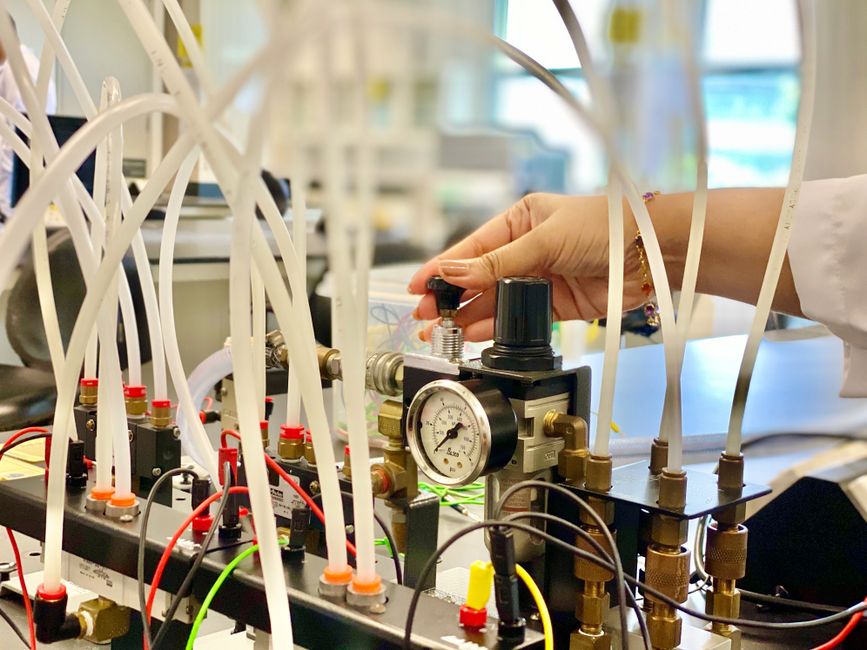
A new study published in Nature examines how the pressure at which pilot diesel fuel is injected affects the performance of an engine that also burns hydrogen. The researchers used two statistical methods — principal component analysis (PCA) and response surface methodology (RSM) — to process the complex dataset and identify meaningful trends. The goal was to understand how adjusting injection pressure can improve combustion in a dual-fuel setup. In a hydrogen-diesel engine, a small amount of diesel is injected to ignite the hydrogen, which does not ignite easily on its own. The pressure of that pilot injection influences how the fuel sprays, mixes with air, and ultimately burns, which in turn affects power output and emissions. By applying PCA and RSM, the team could sift through multiple variables and pinpoint the most influential factors. This type of analysis helps engineers optimize engine parameters without having to test every possible combination, saving time and resources. The findings contribute to the broader effort to make hydrogen a practical fuel for heavy-duty and industrial engines, where reducing carbon emissions is a major challenge. While the study is technical, it highlights the kind of detailed research needed to bring hydrogen-diesel technology closer to real-world use.
What do you think?