
Study Finds Plug-In Hybrids Emit Nearly as Much CO2 as Gas Cars in Real-World Driving
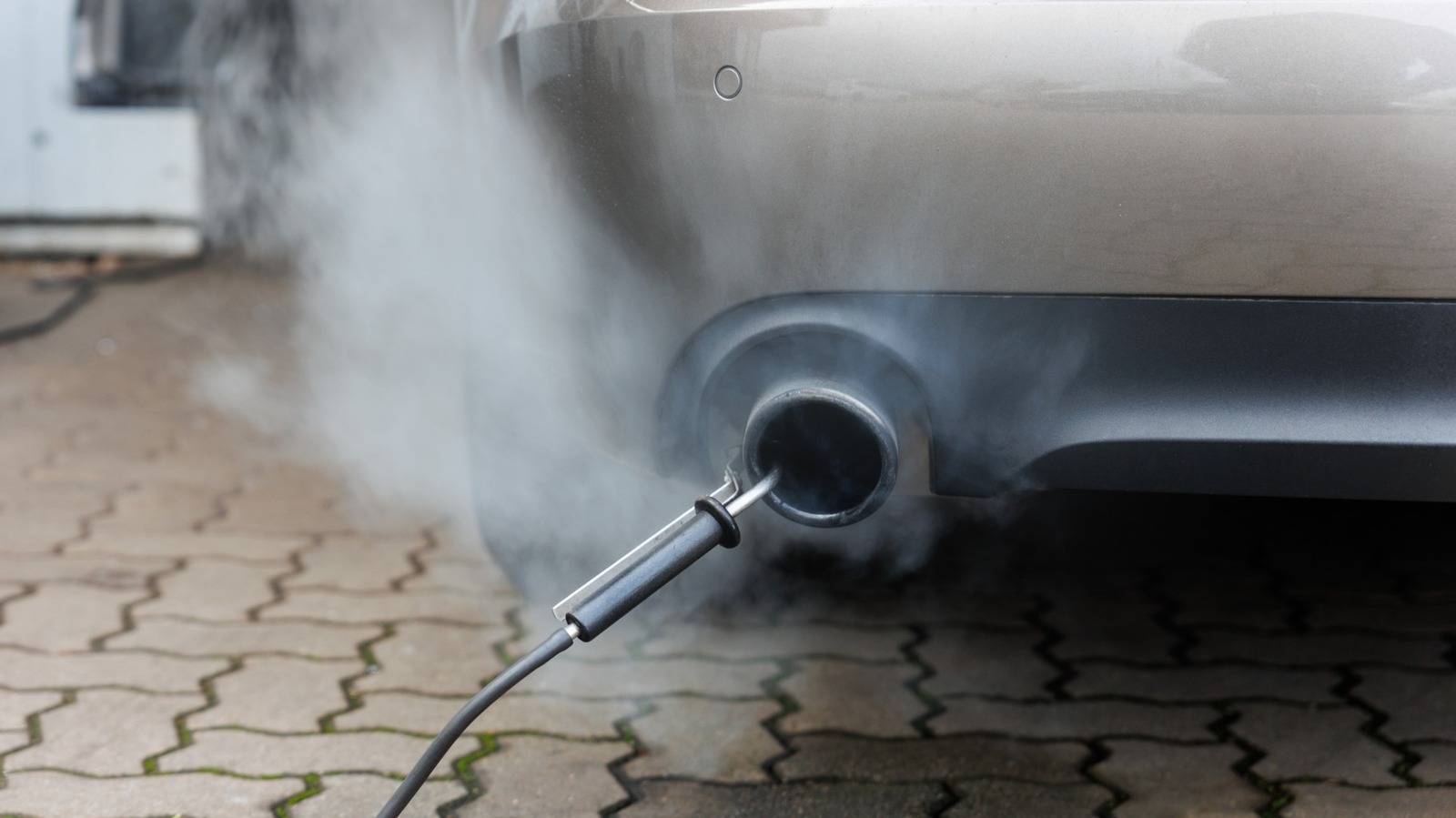
A new study has cast doubt on the environmental credentials of plug-in hybrid vehicles, suggesting that their real-world emissions are far closer to conventional gasoline cars than official figures imply. According to the research, PHEVs often fail to deliver the substantial carbon savings promised by regulators because many drivers simply do not plug them in regularly, relying instead on the gasoline engine.
The core issue lies in how plug-in hybrids are tested and used. Official certification procedures typically assume that the battery is fully charged at the start of every journey and that a significant share of driving happens in electric-only mode. In reality, owners may not have access to convenient charging, may forget to plug in, or may treat the vehicle as a conventional hybrid. When the battery is depleted, the car runs on its internal combustion engine, consuming fuel and producing tailpipe emissions just like a non-hybrid vehicle, albeit with some efficiency gains from regenerative braking and hybrid assistance.
The study adds to a growing body of evidence that the gap between laboratory results and on-road performance can be substantial for plug-in hybrids. This discrepancy matters because many governments use official CO2 ratings to set fleet targets, offer tax incentives, and shape consumer purchase decisions. If real-world emissions are consistently higher, then the climate benefits of PHEVs are being overstated, potentially delaying the transition to fully electric vehicles.
Critics of plug-in hybrids argue that the technology is a compromise that works best only for drivers who charge diligently and mainly drive short distances. For long-distance commuters or those without home charging, a PHEV may end up burning more fuel than expected. This has prompted some environmental groups to call for stricter testing and for policies that encourage actual electric driving, such as stricter fleet rules or requirements for regular charging.
Automakers, however, continue to position plug-in hybrids as a practical bridge technology, offering electric driving for daily commutes without the range anxiety of a pure EV. The study does not dismiss PHEVs entirely, but it underscores that their environmental performance depends heavily on driver behavior and charging habits. As regulators tighten emissions rules, the debate over how to accurately measure and regulate plug-in hybrid emissions is likely to intensify.
What do you think?