
Stellantis Italy Output Rebounds, Nissan Moves Frontier Pro Export to China
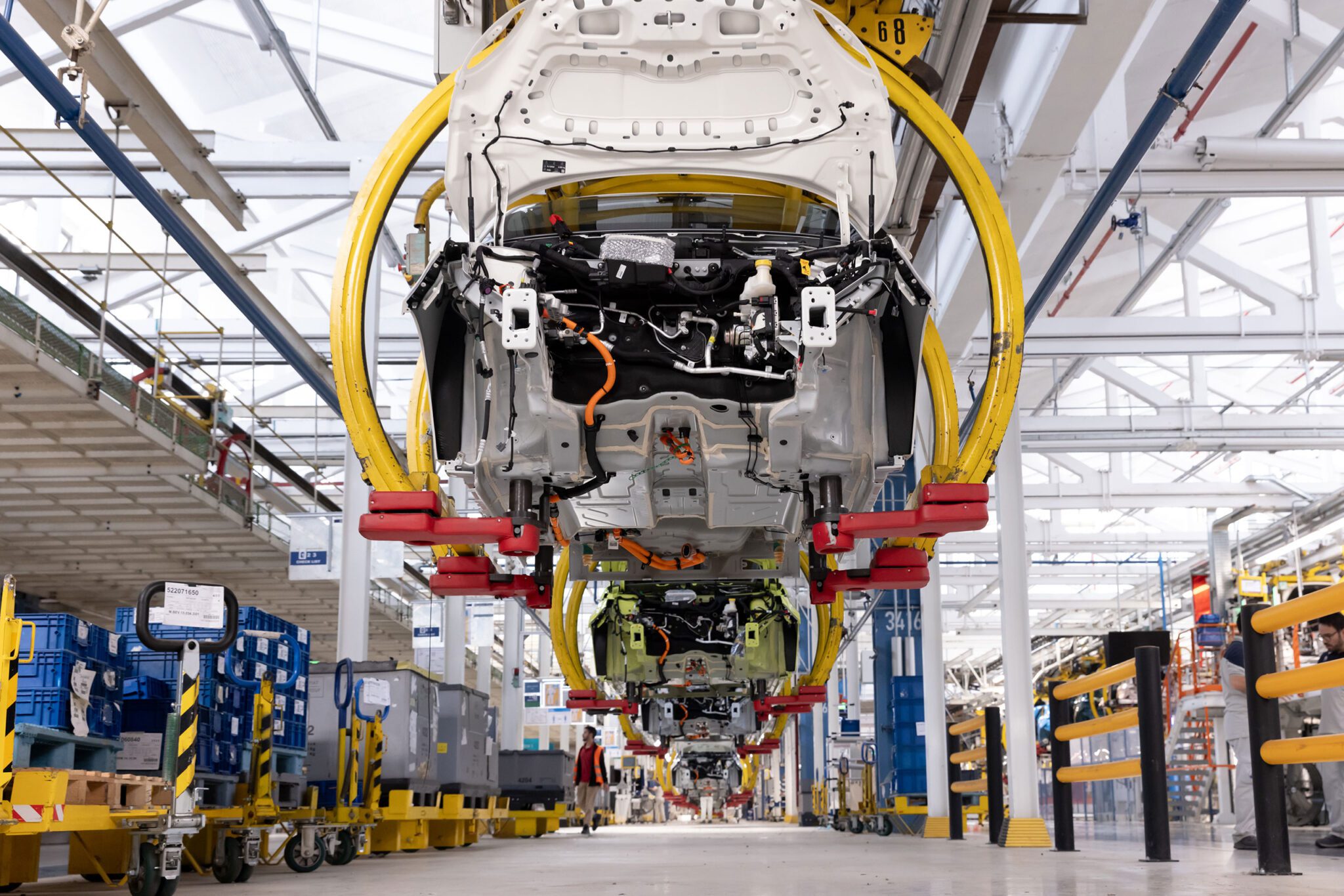
Stellantis’ Italian manufacturing footprint is showing signs of recovery after two consecutive years of shrinking production volumes, according to union data highlighted in this week’s automotive manufacturing roundup. The uptick offers some relief for the country’s assembly operations, though it arrives with a caveat: the hybrid version of the Fiat 500 has not managed to hit the sales or output targets set for it. The mixed picture underlines how unevenly the shift toward electrified drivetrains is playing out across individual nameplates, even when a broader production trend turns positive.
On the export front, Nissan is preparing the Frontier Pro pickup to become the company’s first China-built model destined for global markets. The move signals a notable evolution in Nissan’s manufacturing strategy, placing Chinese production capacity at the center of its export ambitions rather than limiting it to domestic demand. For an industry watching how Chinese plants integrate into global supply chains, the Frontier Pro represents a test case worth tracking in the coming months.
Capacity utilization remains a pressing concern across Europe. An AlixPartners report cited in the newsletter identifies roughly 2.5 million units of idle capacity sitting inside underused European assembly plants. That figure captures the structural mismatch between installed factory capacity and current demand levels, a gap that continues to pressure manufacturers to consolidate lines, reallocate model production, or find new export outlets for plants that once ran closer to full utilization.
Supplier-side turbulence also features in this week’s developments. OPmobility has trimmed its 2026 guidance and could eliminate around 770 positions across Germany and France. The revision illustrates how the financial strain felt by parts makers can translate directly into workforce reductions, even as some vehicle assembly operations experience a rebound.
Taken together, the items point to an automotive manufacturing landscape pulling in different directions: recovering output in one market, reoriented export strategies in another, and persistent overcapacity weighing on Europe’s industrial base. Each development matters individually, but their combination shapes the operating environment for the year ahead.
What do you think?