
Stellantis CEO Presses Brussels for Incentives to Shield Local Carmakers
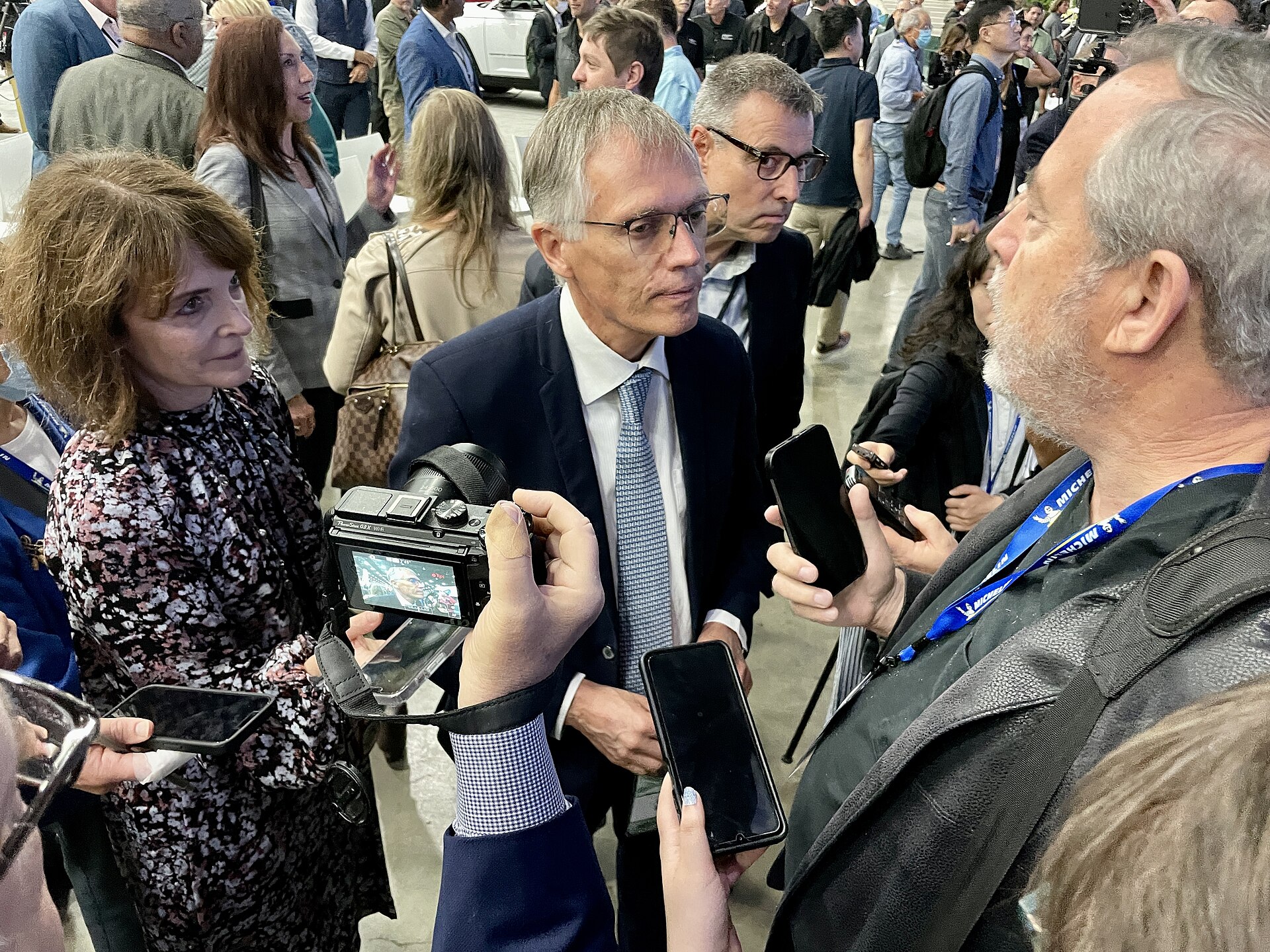
Stellantis chief executive is calling on European Union policymakers to introduce targeted incentives aimed at supporting the bloc’s domestic automotive manufacturers, according to remarks reported by Yahoo Finance. The appeal places the automaker at the center of an intensifying debate over how Europe should respond to competitive pressures from lower-cost producers abroad while accelerating its own transition toward cleaner drivetrains.
The push for localization-friendly policy comes as European carmakers navigate a tricky stretch: demand for electric vehicles has cooled in several major markets after subsidy programs were trimmed or phased out, while global rivals continue to scale up output and drive down unit costs. Stellantis, whose portfolio spans brands such as Peugeot, Citroën, Fiat, Opel, Jeep and Ram, operates a sprawling manufacturing footprint across Europe, giving it a direct stake in any incentive framework that Brussels might design.
The company’s message echoes a broader industry argument: without demand-side support, factories in higher-cost European countries struggle to match the price points of imported models, particularly in the fast-growing battery-electric segment. Executives across the sector have warned that plant utilization, supplier networks and employment all hinge on keeping domestic production economically viable.
EU officials, for their part, have been weighing a mix of trade measures, local-content requirements and incentive schemes to balance competitiveness with climate goals. The outcome will shape investment decisions across the region for years to come, since automakers plan vehicle platforms and battery plants on multi-year horizons.
For Stellantis specifically, the CEO’s intervention signals that the company views policy design as central to its European strategy, not a side issue. How forcefully Brussels responds — and whether any incentives favor locally built vehicles — could determine how the group allocates future production and electrification spending across its European operations.
What do you think?