
Stellantis and Leapmotor: Chinese EV Tech Is Quietly Moving Into Opel's Next Electric SUV
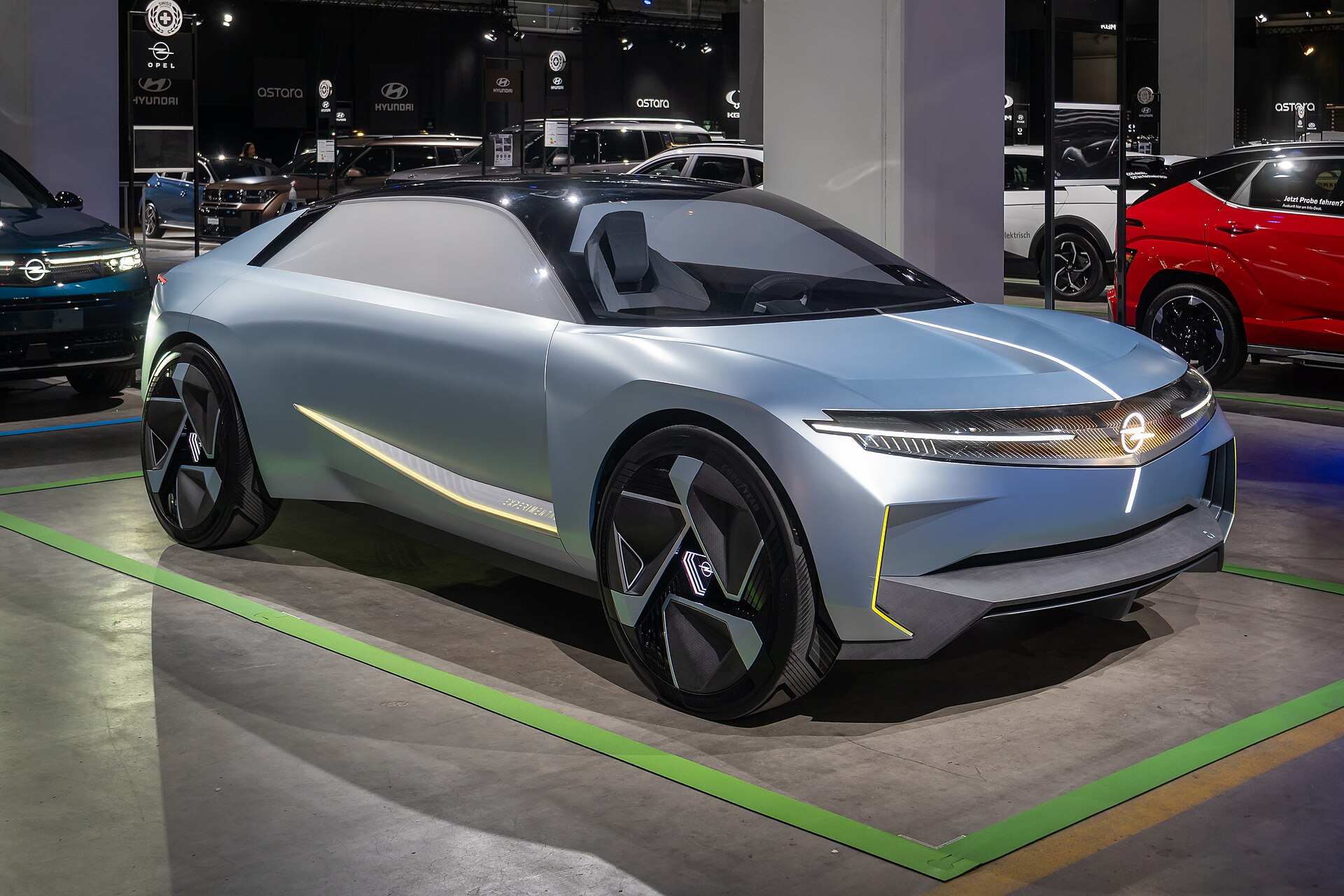
What started as a distribution deal between Stellantis and China’s Leapmotor has evolved into something far more intertwined, and the Paris Motor Show offered the clearest look yet at how deep the ties now run.
Leapmotor used the show to give the B03 its European debut while confirming that assembly of the B10 has officially kicked off at Stellantis’ Zaragoza plant in Spain. Meanwhile, a few halls away, Opel pulled the wraps off the STX Concept, its vision for an electric estate. On the surface the brands look like separate players. Underneath, for Opel at least, the line is getting blurry. The two companies are already co-developing an electric SUV for 2028, a roughly 4.5-metre model that will slot between the Frontera and Grandland and roll off the same Zaragoza line as the B10. Development work began in mid-2026 and the design has reportedly been locked in.
Opel CEO Florian Huettl is direct about the division of labour. Opel’s engineers in Rüsselsheim handle chassis, steering, lighting, seats, design and user experience, while Leapmotor contributes electrical and electronic architecture, batteries, electric powertrains and access to its supplier network. Huettl insists the result is not a rebadged Leapmotor, describing the goal as combining “the best of both worlds.” He is equally candid about why Opel is going down this road at all: Chinese manufacturers, he says, have built a genuine lead in electronic components, vehicle architectures, battery technology and electric powertrains, and Europe’s carmakers need to acknowledge that gap. His shorthand for the fix is “less planning, more development” — a nod to how quickly the Chinese side moves once a technical problem surfaces.
On the battery front, Huettl points to LFP cells as the first step toward affordability, backed by modern battery management and cooling systems — work that feeds both the Leapmotor collaboration and Stellantis’ own STLA One efforts. The B10 offers a rough technical reference: 56.2 or 67.1 kWh LFP packs, charging up to 168 kW on the larger version and a WLTP range of 434 km. Whether the Opel SUV adopts those exact components is not confirmed; battery and powertrain hardware are expected to be jointly developed, with Opel aiming to add its own character through chassis tuning and the operating concept.
For Leapmotor, the motivation is less about tariffs than logistics. Europe CEO Danilo Annese says importing from China exposes the company to delays and geopolitical disruption, so building closer to customers enables faster, steadier deliveries. He adds that further models could be localised if capacity and the business case line up, with the B05 under consideration. Annese frames his company’s stance simply: “We are in Europe, and we want to stay in Europe.” The deeper question — how much Chinese technology ends up under European badges — is one Stellantis seems increasingly willing to answer in the affirmative.
What do you think?