
Starship Reaches Orbit for the First Time After Engine Scare
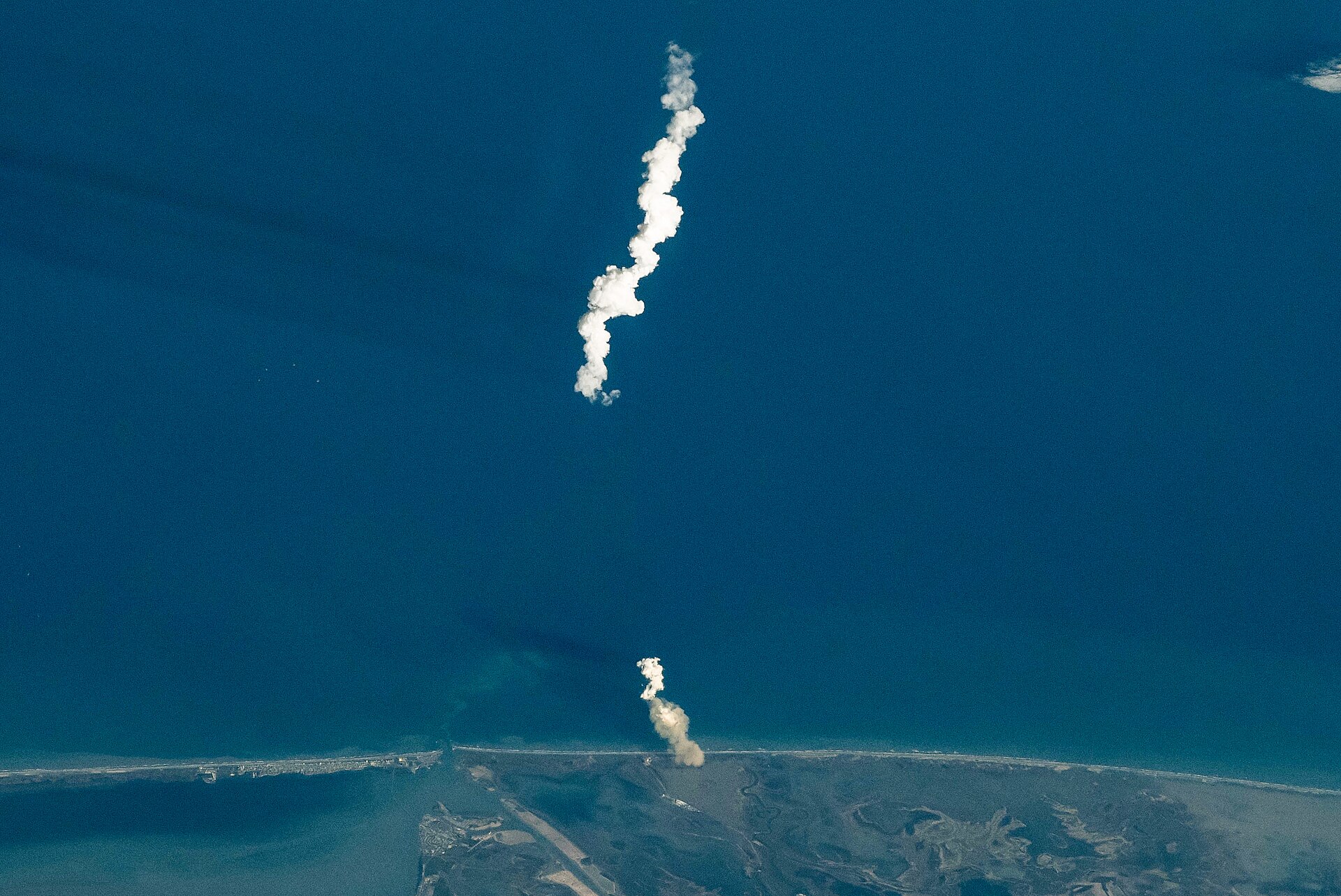
SpaceX’s Starship finally crossed a long-awaited threshold on Monday, reaching Earth orbit for the first time. The mega-rocket lifted off from South Texas in the early hours and initially hit every early milestone, but the flight turned tense when one of the upper stage’s six Raptor engines shut down shortly after stage separation. With five engines still burning, the vehicle could have continued — yet SpaceX briefly halted the attempt before reversing course minutes later and pressing ahead.
Once in orbit, Starship released 26 next-generation Starlink satellites, all of which made contact with the ground. SpaceX had intended to let the upper stage circle the planet roughly six times over about nine hours, but instead opted for an early return, guiding the ship to a pre-cleared splashdown zone in the Pacific after roughly three hours in space. The Super Heavy booster, meanwhile, separated on schedule and executed its smoothest simulated water landing yet with the V3 configuration.
The upgraded V3 Starlink satellites carry far more capacity than earlier models; SpaceX says a single Starship load of them matches what 20 Falcon 9 flights of V2 mini satellites would add to the network. They are expected to begin serving subscribers within weeks. This marked the third V3 test flight, spaced roughly two months apart, and the second since the company’s record-setting public offering. Shares initially climbed more than 1% before slipping after the decision to cut the mission short.
Reaching orbit is a major step toward routine commercial use of Starship and, ultimately, full reusability — a goal Elon Musk has placed at the center of SpaceX’s strategy, from NASA moon landings to orbiting data centers. Musk has said he envisions the most powerful rocket ever built flying thousands of times a year, and the company has committed $100 billion to a new Louisiana launch complex set to break ground next year.
What do you think?