
Software Is the Key to Making Electric Heavy Trucks Viable
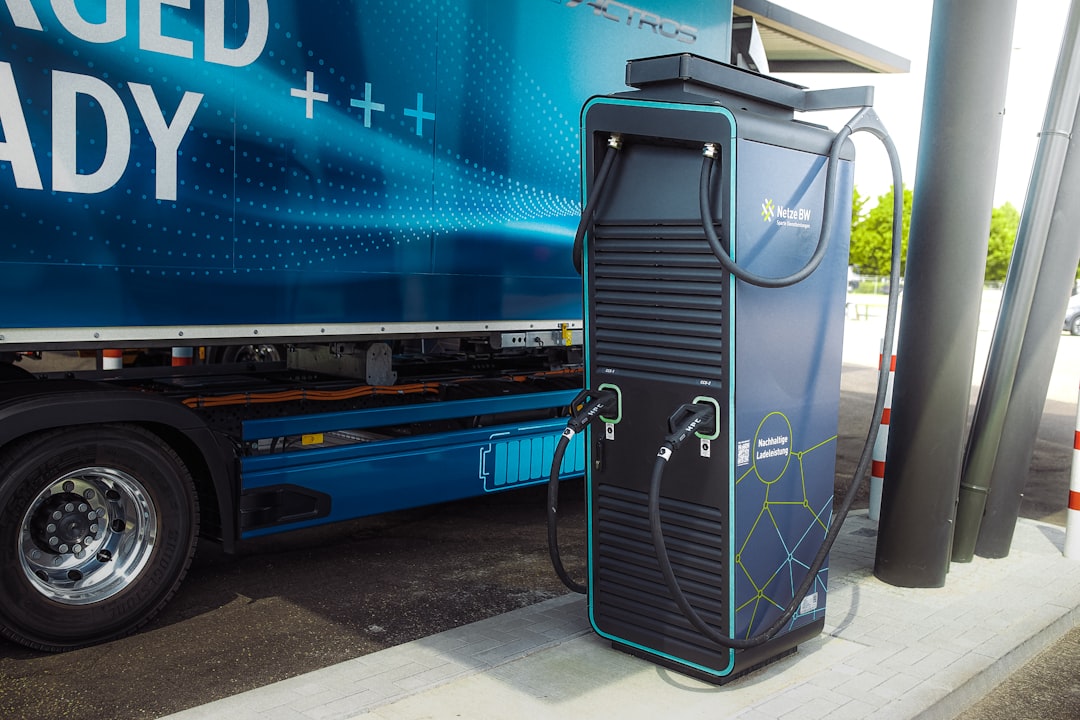
While Europe celebrates surging EV adoption in passenger cars—with Norway close to 100 percent of new registrations in late 2025—electric heavy-goods vehicles (eHGVs) remain a tiny fraction of the truck fleet. Across the EU, only about 14,500 of roughly 4.5 million HGVs are electric (0.32 percent), and the UK figure is even lower at 0.16 percent. Sales have stalled or even declined in recent quarters, challenging the assumption that fleet electrification would follow passenger vehicles automatically.
The core challenge is long-haul operation. Drivers face range anxiety, high upfront costs, and the ‘payload penalty’—bigger batteries for more range reduce cargo capacity. Even fast charging is impractical; a standard 350-kW DC charger takes four hours to fully recharge a 350-km eHGV. The new Megawatt Charging System (MCS) could cut that to 30–45 minutes, aligning with mandatory driver breaks, but it brings new hurdles: drivers may not rest while actively monitoring charging, and a 10-charger station would require a 10 MW grid connection—enough for 10,000 homes—making it costly and often infeasible at existing sites.
Instead of betting on massive infrastructure, innovators like Zenobē and Einride are turning to software to optimize the entire operation. Zenobē, a UK battery specialist, designs tailored charging solutions that cut costs and install time dramatically compared to off-the-shelf approaches. They also offer financing and manage battery degradation by repurposing used batteries for ‘peak shaving’ or construction-site power, passing savings to customers. Meanwhile, Sweden’s Einride runs autonomous electric trucks on public roads and uses its Saga AI platform to factor in state of charge, load sizes, grid constraints, topology, and even weather, continuously learning from real data. In a recent partnership with quantum computing firm IonQ, Einride improved shipment completion by up to 12 percent and reduced drive distance by up to 6 percent.
These examples highlight a critical insight: electrifying heavy trucks is not just about vehicles or chargers—it’s about systems thinking. As David Hallgren of Einride puts it, the complexity of managing an eHGV fleet at scale makes manual planning impossible, and AI is essential to navigate the intersection of countless variables. The path to practical eHGVs lies in software-driven optimization, not just hardware breakthroughs.
What do you think?