
Santee Cooper's New Energy Plan Draws Fire Over Delayed Solar and Extended Coal Use
Santee Cooper’s latest long-range energy blueprint, filed with South Carolina regulators this week, is facing sharp criticism for leaning on costly new gas generation and pushing back the retirement of its coal fleet, even as the utility itself acknowledges that surging demand from large customers is already driving up costs.
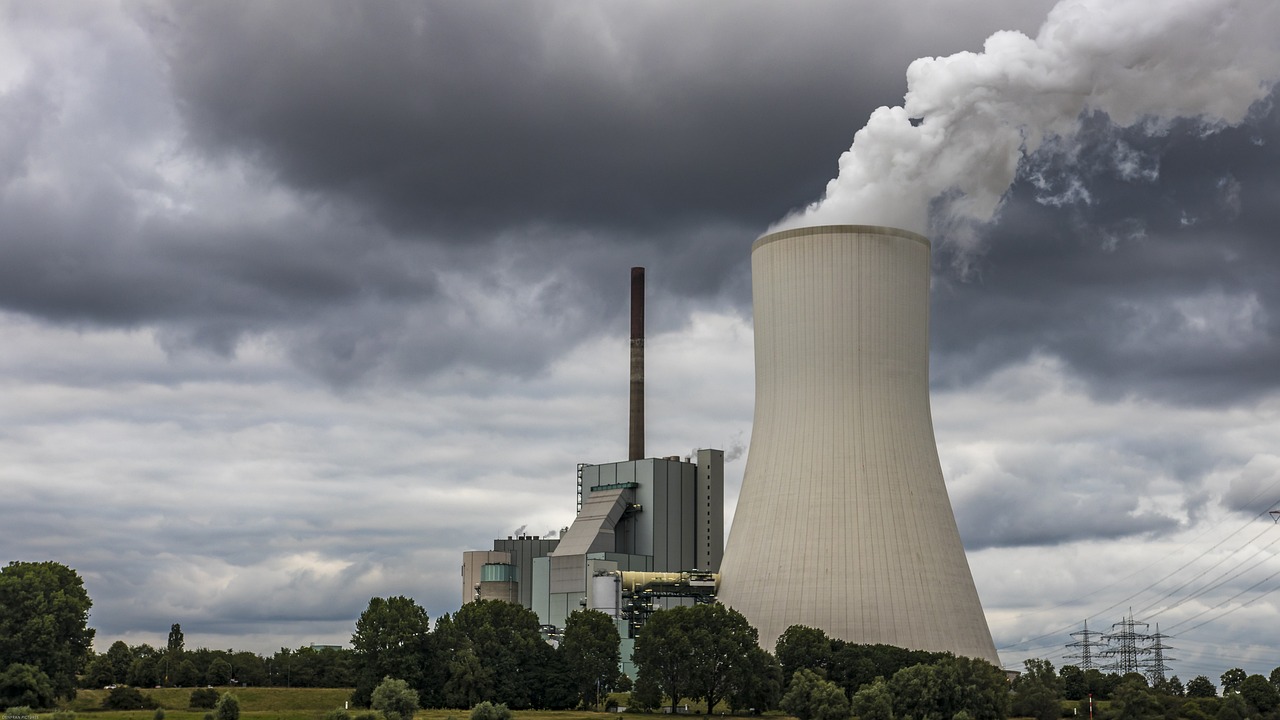
Under the revised plan, solar investments that were once slated to reach 1,500 megawatts by 2030 and 3,000 MW by 2040 have been pushed out to 2052. The Winyah coal plant, previously targeted for closure by 2030, would now keep running until at least the end of 2034, with the possibility of further extensions tied to bringing a new gas plant online. Santee Cooper argues that new electricity demand from data centers and other large users justifies the approach, but critics counter that the utility is sidelining the cheapest and fastest-to-deploy resources available to its customers.
The timing is notable. Independent analysts continue to describe renewables as the most cost-competitive option for new-build generation, while a global shortage of gas turbines is adding upward pressure to project costs. South Carolinians are already bracing for the bill on the Canadys gas plant now under construction, and Sierra Club’s senior campaign organizer in the state, Paul Black, warned that the pollution-heavy strategy puts both the health and finances of families and businesses at risk in the name of powering data centers.
The plan also lands amid a broader federal push to roll back public health protections tied to coal-fired power, including the proposed repeal of the Endangerment Finding, adding another layer of uncertainty for ratepayers across the state.
What do you think?