
Rivian Widens Battery Recycling Deal With Redwood Materials
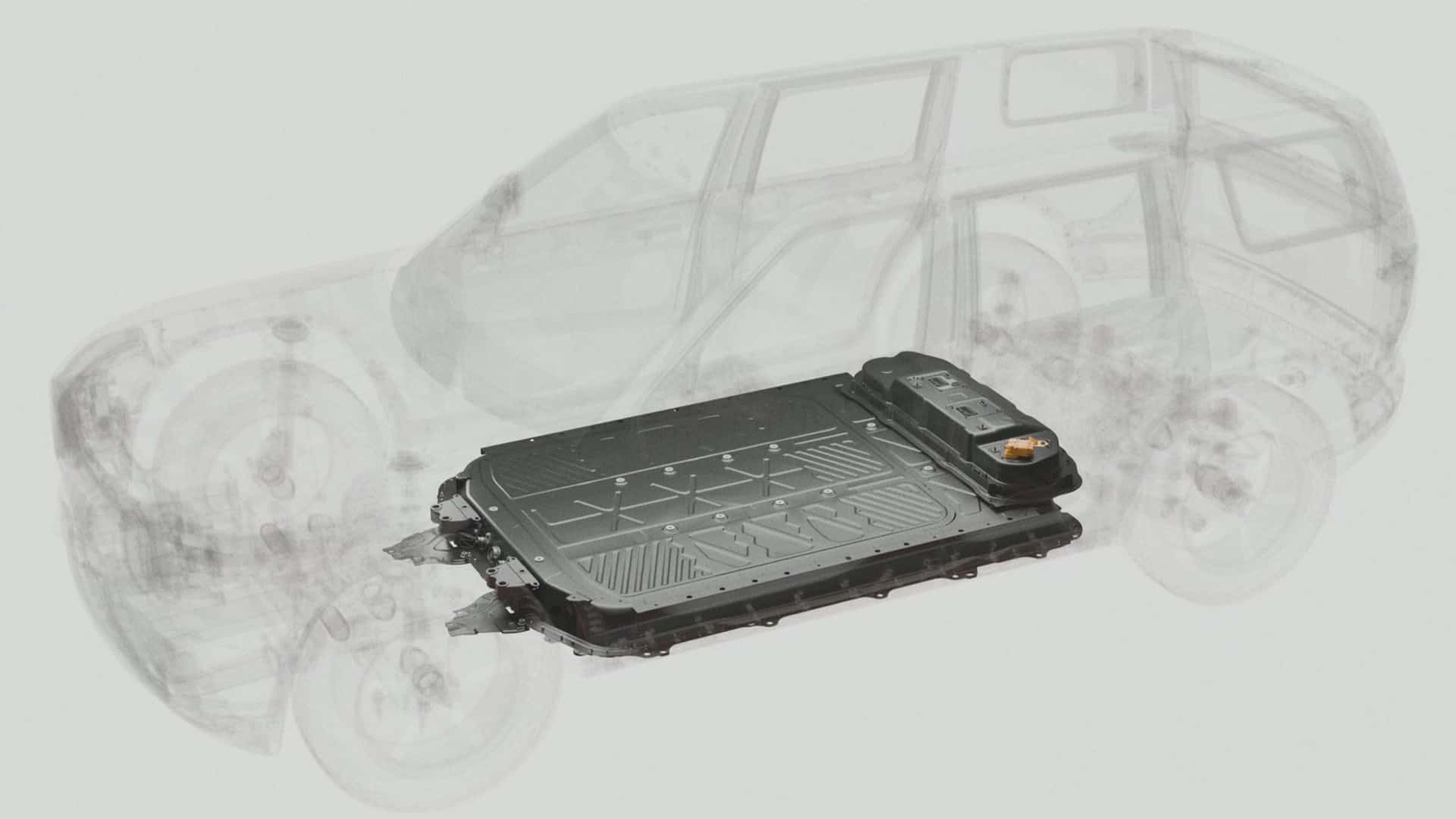
Rivian is deepening its ties with battery recycling specialist Redwood Materials, expanding an arrangement that now covers both production scrap from its manufacturing lines and high-voltage packs that have reached the end of their useful life in vehicles.
The two companies already had a relationship in place. Back in April, Redwood committed to installing 10 megawatt-hours of energy storage at Rivian’s Normal, Illinois plant using repurposed packs pulled from the automaker’s own vehicles. That facility is where the R1T pickup, R1S SUV, R2 and Rivian’s electric delivery van are assembled. Under the broadened agreement, scrap material from battery production joins the stream of retired packs heading to Redwood, while the recycling firm supplies stationary storage for the factory powered by the very batteries that once sat in Rivian vehicles.
The process works in two directions. Rivian gathers packs that no longer meet the requirements for on-road use through its service network and routes them to Redwood, which inspects each unit individually. Packs with healthy modules inside can be folded into energy storage systems and deployed at Rivian’s facilities or elsewhere; those beyond saving are dismantled so their raw materials can be recovered. Redwood’s storage platform is designed to accept both aged and fresh packs from a range of manufacturers, an approach the company says holds down costs and shortens the time needed to get systems installed.
JB Straubel, Redwood’s founder and CEO, framed the collaboration around energy resilience: every pack that returns, he said, represents both a source of domestically produced grid storage and a reservoir of critical materials. He described the ability to integrate and redeploy Rivian’s batteries as a route to fast, flexible and cheaper storage at a moment when energy demand and prices are climbing.
The logic behind second-life storage is straightforward. When a large EV battery is retired, many of its cells are typically still in good condition, yet repairing or repackaging the pack is cumbersome enough that replacing the whole unit often looks easier. Standing in as stationary storage, those healthy modules can absorb cheap electricity when demand is low and release it to the grid during expensive peaks, trimming costs and adding stability. Once a pack genuinely gives out, Redwood’s recycling line recovers more than 95% of strategic minerals including lithium, nickel, cobalt and copper, which can go back into new battery production rather than being mined and shipped across long distances.
The move fits a wider trend of automakers building circular supply chains around their batteries, pairing second-life energy storage with high-recovery recycling to squeeze more value from every pack.
What do you think?