
Rivian's R2 Takes the Sales Crown, But Software Is Paying the Bills
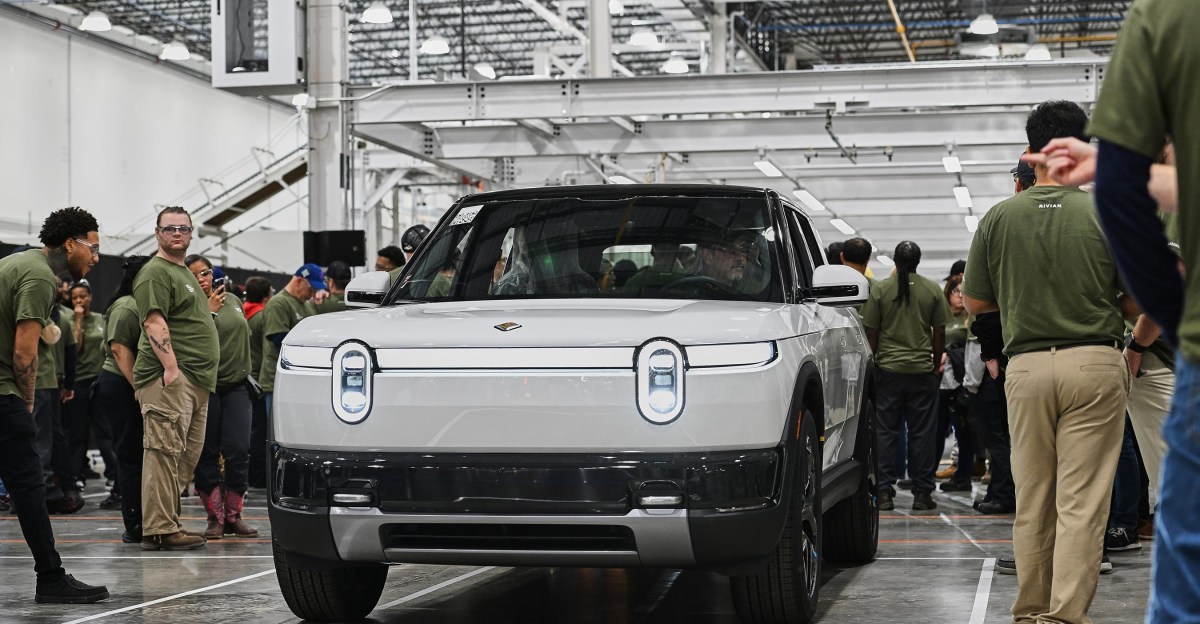
Rivian’s long-awaited mass-market SUV has climbed to the top of the company’s own sales chart. In its third-quarter 2026 earnings release, the automaker confirmed the R2 now outsells the R1T, R1S and the Electric Delivery Van — a first for the more affordable model.
The headline number looks strong: revenue hit **$2.155 billion**, up 38 percent from $1.558 billion a year earlier. Automotive revenue accounted for $1.55 billion of that, a 36 percent year-over-year gain. Deliveries told a similar story, with 19,248 vehicles handed to customers in the quarter against 19,751 built — up 45 percent in deliveries and 85 percent in production.
But volume and profitability are two different conversations.
The R2 Wins on Units, Not on Dollars
Rivian doesn’t publish a model-by-model sales split, so the exact R2 tally stays behind the curtain. What the company will say is that the SUV leads by volume. CEO RJ Scaringe framed the quarter around it: “We had great results with R2 becoming our best selling vehicle by volume in the third quarter. Customer and media feedback on R2 has been exceptional.”
The distinction matters. Most of Rivian’s cash is still arriving from somewhere other than sheet metal.
Software and subscription services generated **$605 million**, a 45 percent jump year over year, and threw off $256 million in profit at a 42 percent margin. A large slice of that comes from licensing technology to Volkswagen, with customer subscriptions to the Autonomy Plus driver-assistance package filling in the rest.
Quarter at a Glance: $2.155B total revenue · $1.55B automotive · $605M software and subscriptions · 19,248 deliveries · 19,751 vehicles built · $176M gross profit
Less Red Ink, Slowly
The loss column is shrinking. Automotive gross profit landed at $176 million, a $152 million improvement over the same period last year. The segment still bled $80 million in gross terms, but that's a far shallower wound than the $130 million shortfall recorded twelve months prior.
Two quieter line items helped pad the top line: continued sales of emissions credits to other manufacturers, and a tariff refund from the government, both booked as revenue.
So the picture is a company selling more vehicles at better margins — while leaning on outside partnerships to stay afloat during a costly launch phase.
What the Cheaper R2s Could Change
The real financial test hasn’t arrived yet. Rivian is still rolling out the pricier versions of the R2 first, and the entry-level trims that were supposed to make this a volume machine are staggered across the next year and a half:
- Premium trim: $55,485, arriving late 2026
- Standard Long-Range: $49,985, early 2027
- Standard: $46,495, late 2027
Each step down in price should widen the funnel. Whether that translates into automotive revenue catching up with the software business is the open question — and the one Wall Street will keep asking until the sub-$50,000 R2s actually reach driveways.
For now, Rivian is a car company whose best-selling product isn’t yet its biggest earner. That’s an unusual place to be, and an instructive one for every EV startup trying to cross the same bridge.
Photo: Rivian / The Verge - Transportation · Official Press Kit / Editorial (Editorial / Press Kit)
Source: The Verge - Transportation
Curious how this compares to other EVs? Try our comparison tool →What do you think?