
Rethinking the City Drive: How Smarter Planning Makes Urban Trips Cleaner and Calmer
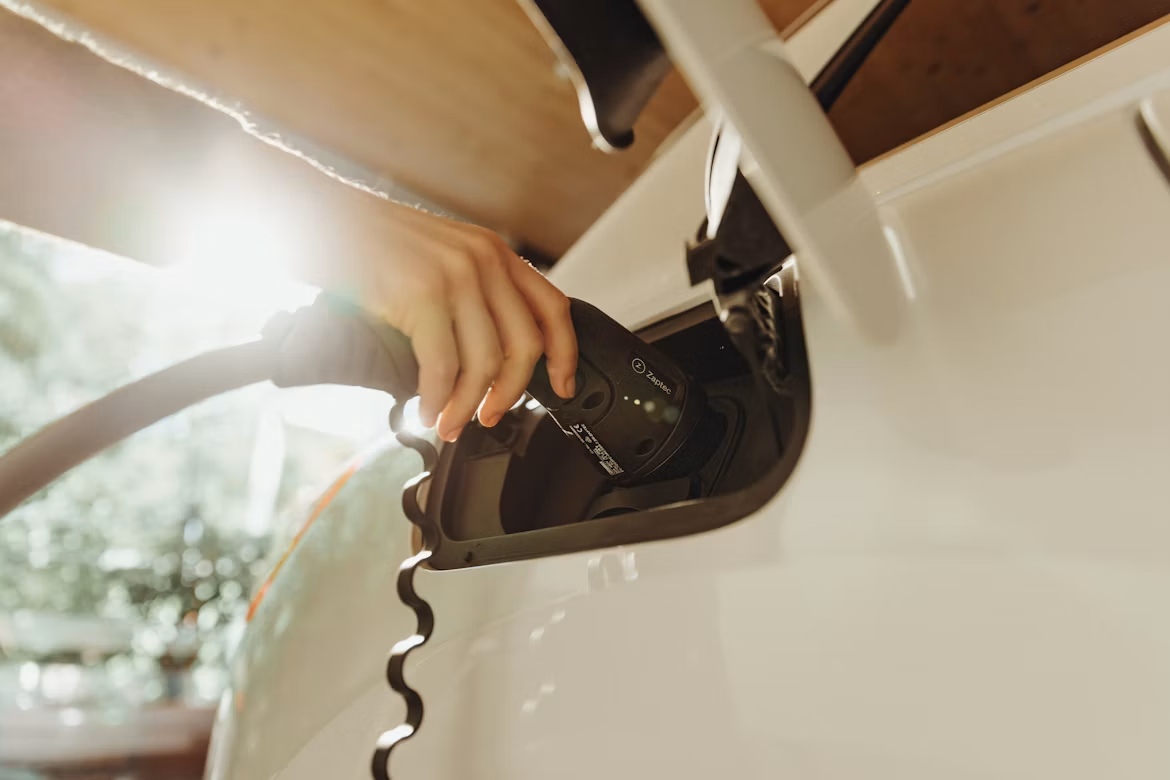
City driving can be far less stressful and far more efficient when the car is treated as only one piece of a larger mobility puzzle. Electric and hybrid vehicles cut down on local tailpipe emissions, but the bigger gains often come from how a trip is planned: thoughtful routing, public transit, and a willingness to walk the last few blocks can eliminate a surprising number of needless miles.
That philosophy pays off most in dense urban areas, where looping around unfamiliar blocks wastes fuel and patience. Before setting out, drivers can map the places they actually intend to visit and check how far apart they really are. Stops that look scattered on a regional map often sit within a comfortable walk of one another. Grouping nearby destinations reduces the repeated cycle of moving the car, hunting for another space, and sitting in traffic. Municipal transportation websites are a useful first stop here, since many publish park-and-ride locations, charger availability, construction notices, and street restrictions. Building in a 20- or 30-minute buffer helps absorb the sudden congestion that clusters around business districts, stadiums, and event venues.
Baggage is another practical hurdle that pushes people back into the driver’s seat. Between an early hotel checkout and a late flight or train, hauling luggage through a city on foot or by transit becomes impractical, and leaving valuables visible in a parked car invites avoidable risk. A planned storage stop resolves both issues. Services that partner with vetted local operators for flexible, by-the-hour luggage storage suit exactly this kind of travel gap, letting travelers park once or return a rental earlier and then move freely by foot, bus, or shared bike. A small day bag with water, sun protection, medication, a charging cable, and transit cards keeps essentials close while documents and high-value items stay on the person.
Perhaps the single most effective tactic is to park once and cover the rest of the day differently. Choosing a garage, hotel lot, or park-and-ride near several planned stops cuts cold starts, low-speed circling, and repeated parking fees. The trade-off should be judged across the whole day rather than by hourly rate: a slightly pricier garage beside a rail station can beat a cheap lot that demands extra drives. Drivers of taller vehicles should check clearance limits and reentry policies in advance, and EV owners should verify that a listed charger is genuinely public, operational, and compatible with their connector. Picture three attractions strung along one subway line — parking near the outermost station means entering the district without downtown congestion and returning to the car only at day’s end, replacing multiple short drives with a single arrival and departure.
Driving style still shapes energy use regardless of what sits under the hood. Hard acceleration followed by heavy braking squanders energy and unsettles passengers; looking further ahead and easing off gradually is more effective than constantly correcting speed. Regenerative braking recovers some energy in electric and hybrid models, but smooth anticipation beats it. Climate control deserves the same attention, particularly preconditioning an EV while it is still plugged in, and roof boxes or external carriers should come off after a trip since the added drag hurts efficiency at highway speeds. Route choice can matter too: the shortest path might be loaded with steep grades, stoplights, or chronic jams, while a slightly longer road that keeps moving may use less energy and less time. Finally, a looser itinerary — anchored by fixed commitments like a timed museum entry or a train departure, with flexible stops arranged around them — prevents crisscrossing the city and leaves room for weather, accessibility needs, and realistic charging breaks.
What do you think?