
Porsche's Synthetic Fuel Bet: A Lifeline for Combustion or a Costly Detour?
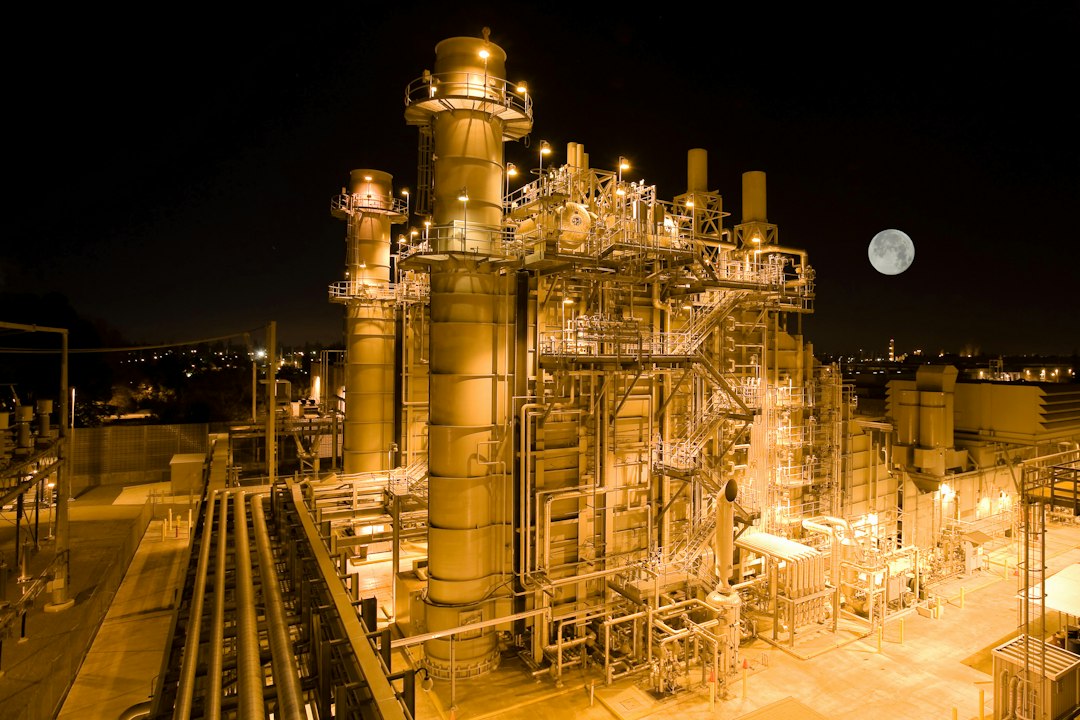
Porsche has been investing in synthetic fuels, often called e-fuels, as a way to keep internal combustion engines relevant in a world that is steadily moving toward electrification. The idea is straightforward: produce a liquid fuel that can drop into existing engines without requiring modifications, offering a lower-carbon option for vehicles that are hard to electrify, such as sports cars and heavy-duty transport.
The appeal for Porsche is clear. The brand’s identity is built on high-revving flat-six engines and the emotional connection they create. Synthetic fuels could allow Porsche to keep selling combustion-powered sports cars in markets that are tightening emissions rules, while still reducing the carbon footprint of its fleet. It is a strategic hedge, not a replacement for electric vehicles.
But the road ahead is steep. Producing e-fuels at scale requires vast amounts of renewable electricity, and the current output from pilot plants is tiny compared to global fuel demand. Critics argue that pouring resources into synthetic fuels delays the transition to battery-electric vehicles, which are far more efficient from a well-to-wheel perspective. The cost per liter also remains far higher than conventional gasoline.
Still, Porsche’s involvement sends a signal that the industry is not abandoning combustion entirely. For niche applications and existing fleets, e-fuels could serve as a complementary solution. Whether they become a true gamechanger or remain a footnote will depend on how quickly production can scale and how regulators treat them in future emissions legislation.
Photo: American Public Power Association (Unsplash License)
What do you think?