
Porsche's eFuel Experiment: Can Synthetic Fuel Keep Sports Cars Alive?
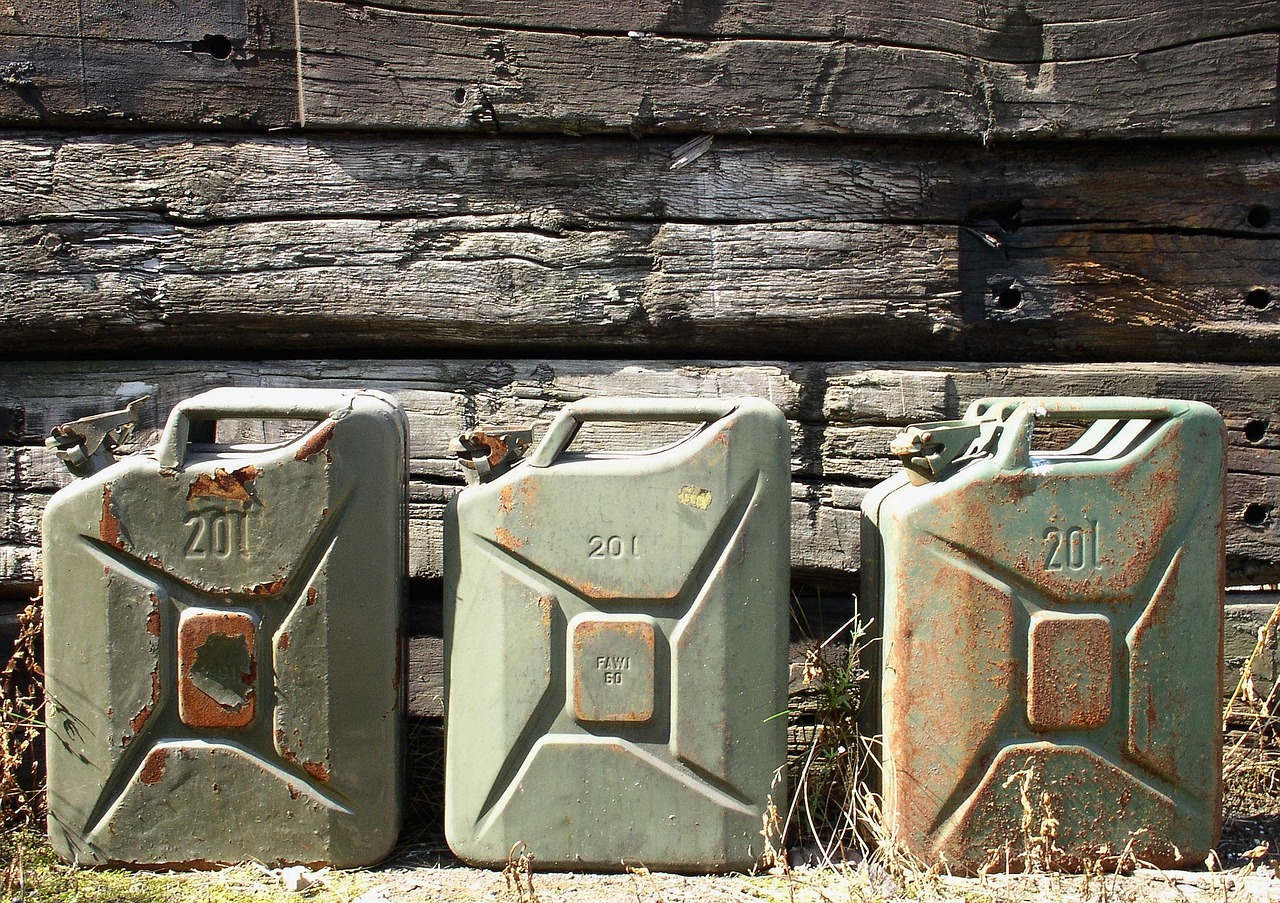
Porsche has been investing in synthetic fuels, often called eFuels, as a possible way to reduce the carbon footprint of internal combustion engines. The idea is to produce a liquid fuel using renewable electricity, water, and captured CO2, which could then be used in existing engines without major modifications.
The appeal for sports car makers is clear. While battery-electric vehicles are gaining ground, many enthusiasts still value the sound, feel, and lightweight nature of combustion-powered machines. eFuels could offer a way to keep those cars on the road while lowering their overall emissions, especially in regions where charging infrastructure is sparse or where heavy batteries don’t suit the driving experience.
Still, there are hurdles. Producing eFuels at scale requires vast amounts of renewable energy, and the process is currently expensive and inefficient compared to simply charging an EV. Critics argue that the limited renewable electricity might be better used elsewhere, and that eFuels are unlikely to become a mainstream solution for passenger cars anytime soon.
For now, Porsche’s efforts represent more of a niche bet than a broad replacement for electrification. The technology could find a home in motorsport, classic cars, and low-volume performance models, but whether it becomes the future of eco-friendly sports cars remains an open question.
What do you think?