
Phoenix Emerges as America's Real-World Autonomous Vehicle Proving Ground
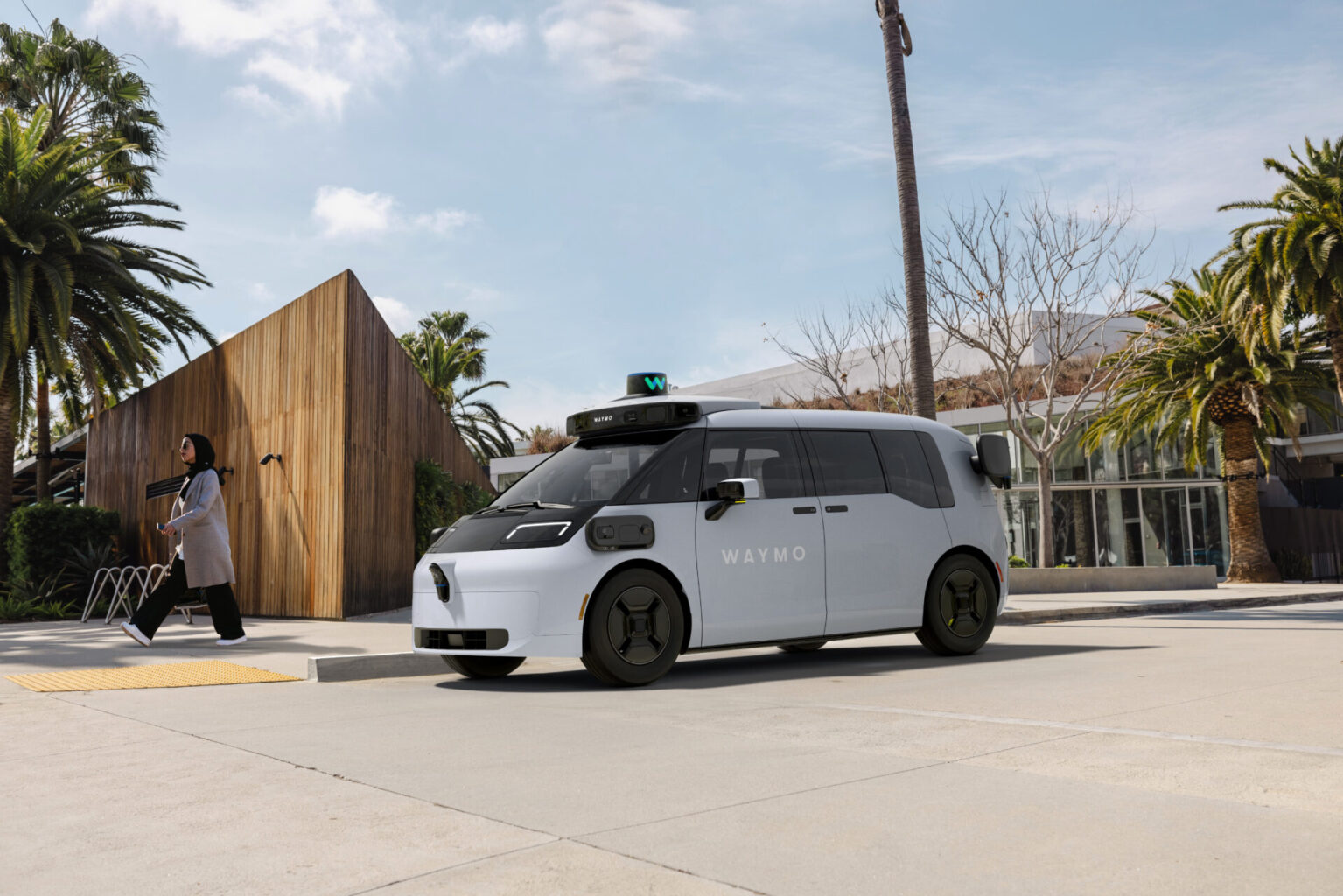
Phoenix has steadily turned into the most active testing ground for self-driving technology in the United States. Waymo now handles thousands of paid robotaxi trips every week across the metro area. The city’s flat, grid-like streets, dry climate and generous lane widths create one of the most forgiving environments anywhere for autonomous systems to operate.
The industry’s central promise has long been safety, since human mistakes — distraction, fatigue, misjudged following distances, missed signals — account for a large share of crashes. Waymo’s vehicles record fewer injury-causing collisions per mile than human drivers in the same cities. Yet its former rival Cruise, now folded into General Motors, posted far weaker results on identical Phoenix roads, while Zoox and Tesla are testing there without offering commercial driverless rides yet. That gap shows autonomy is not one uniform technology: sensor suites and mapping approaches differ sharply between companies, producing very different safety records.
Traditional automakers are taking a more cautious route, rolling out advanced driver-assist systems as standard or optional equipment on new EVs and plug-in hybrids rather than chasing full autonomy and the legal exposure that comes with it. Such systems don’t excuse an inattentive driver, but they can reduce fatal crashes, including rear-end impacts, lane departures and low-speed pedestrian collisions — gains that current data can actually support. Liability remains murky when a crash involves a driver, software and a manufacturer simultaneously.
Arizona’s punishing heat adds another layer of complexity, since batteries and sensor hardware tend to age faster under high temperatures. Findings gathered in desert conditions may not carry over to cooler markets, a factor fleets must weigh when building nationwide safety records. For shoppers, that means scrutinizing driver-assist claims against published crash data, checking how transparent a brand is with over-the-air updates, and favoring service networks that understand heat’s effect on batteries and sensors.
What do you think?