
Nissan Bets on Hybrids to Rekindle Sales as EV Demand Cools
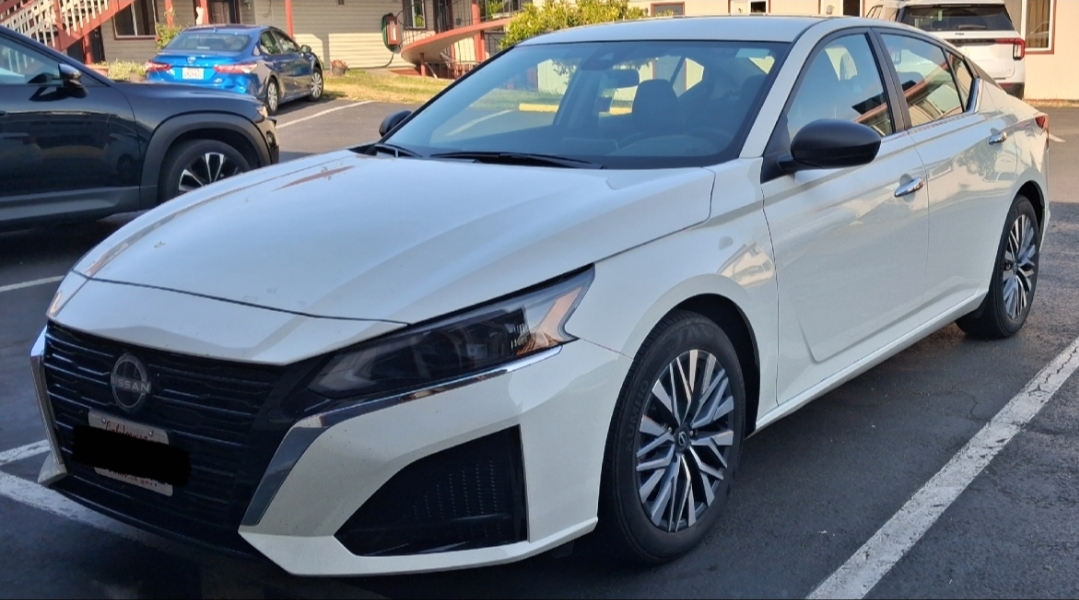
Nissan is rebalancing its product strategy toward hybrid vehicles, responding to a slowdown in electric vehicle demand that has upended sales plans across the industry. The shift marks a pragmatic turn for a company that had positioned the Leaf as its EV pioneer but now sees hybrids as the quicker path to showroom traffic and revenue.
The move comes as EV growth rates decelerate in key markets, with consumers citing higher upfront costs, charging infrastructure gaps, and range anxiety. Automakers that had pledged rapid full-electric transitions are now recalibrating, and Nissan is among them, leaning on its e-Power series-hybrid technology for models where pure electrics have been slow to gain traction.
Nissan’s hybrid push is expected to span its core crossovers and SUVs, where buyers remain most open to electrified options that don’t require plugging in. By using e-Power — where a gasoline engine generates electricity for an electric motor — Nissan can offer electrified driving characteristics without the cost and charging demands of a full battery-electric vehicle.
The strategy carries risks: regulatory pressure in Europe and parts of Asia continues to favor zero-emission vehicles, and rivals like Toyota have long dominated the conventional hybrid space. Still, Nissan’s decision underscores a broader industry reality — that the road to electrification is uneven, and hybrids are serving as a bridge for both consumers and manufacturers.
For Nissan, the hybrid push is less a retreat from EVs than a recognition that sales momentum today may require a more flexible lineup. Whether it can convert that flexibility into market share will depend on pricing, availability, and how quickly EV demand recovers.
What do you think?