
Nearly Half of Canadian EV Buyers Are Waiting to See What China Brings
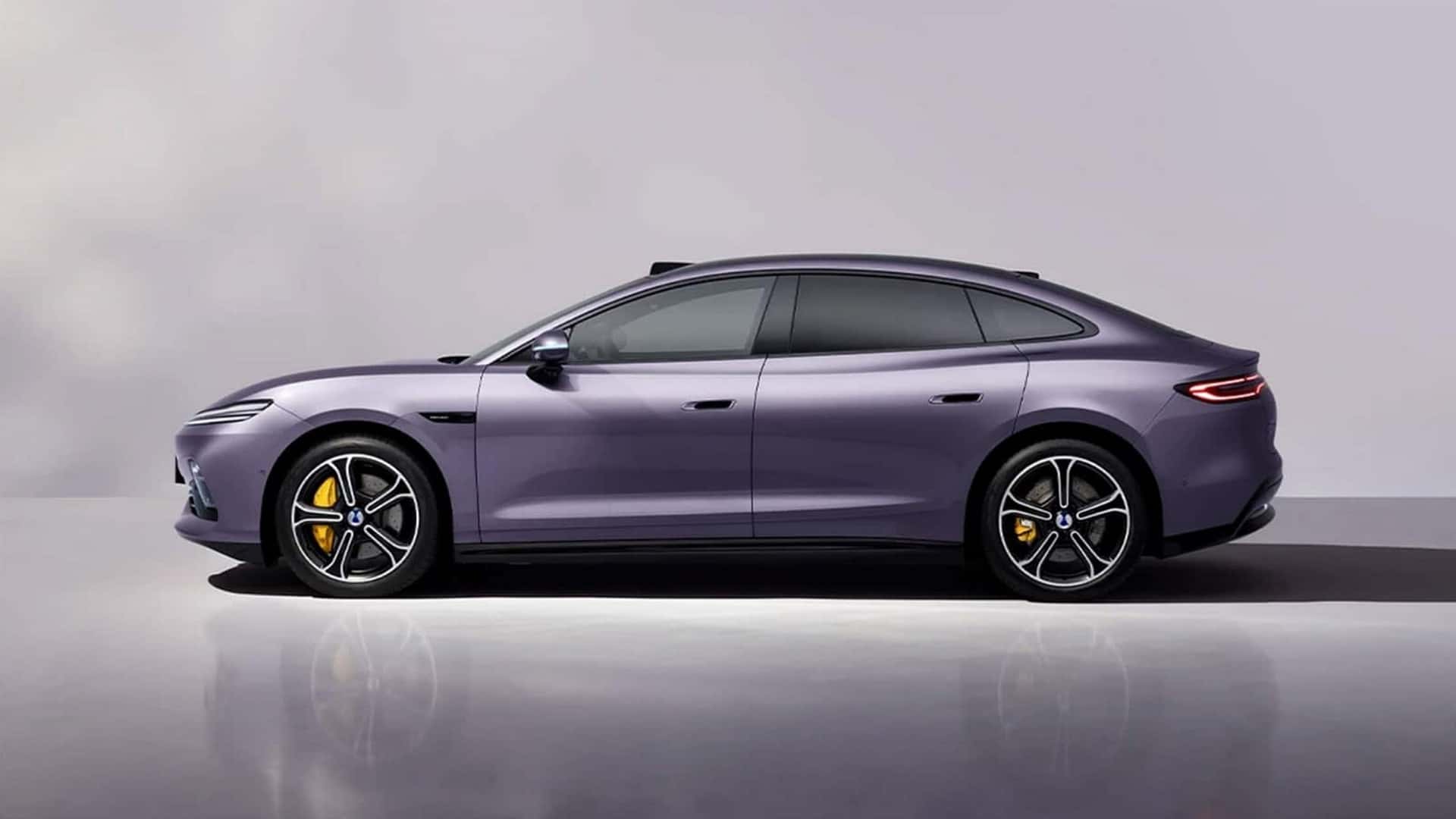
A striking number of Canadian car shoppers appear ready to switch to electric — but a large share of them don’t want to commit until Chinese brands are on the menu. A September survey from the think tank Clean Energy Canada, with fieldwork by Abacus Data, found that 48 percent of respondents intend to make an EV their next vehicle. Among that group, 42 percent said they’d postpone their purchase until Chinese models become available, according to reporting on the study. That doesn’t mean these shoppers will necessarily buy Chinese — only that they want to see the full field before deciding.
The shift follows a change in trade policy. Canada had been applying a 100 percent import duty to Chinese-built EVs, effectively shutting the door. In January, Ottawa revised its approach to admit a limited volume of Chinese vehicles under a quota. Since then, Chinese automakers have been building out dealer networks across the country, and the survey suggests buyers are paying attention.
The appeal is easy to explain. Chinese EVs have built a reputation for delivering more equipment and technology per dollar than established mainstream brands. Pricing in Canada is still unknown, though it will land well above the roughly $15,000 to $20,000 figures some of these models command at home. Part of Canada’s stated reasoning for opening a quota was to widen access to affordable electric options for consumers.
Several manufacturers have already signaled Canadian ambitions: Chery, Geely, BYD and Dongfeng have all confirmed plans to enter the market soon. Their arrival could matter for adoption rates. Only 10.8 percent of Canadian new-car buyers went electric in the first half of 2026, a figure that could climb if cheaper choices appear. How aggressive the pricing actually turns out to be will likely decide the outcome — if Chinese models land close to mainstream rivals, shoppers may gravitate toward familiar badges instead.
What the survey makes clear is that a meaningful slice of Canadian buyers are at minimum open to trying an unfamiliar nameplate from China. The willingness to wait, rather than simply buy what’s on lots today, signals that price and value are weighing heavily on purchase decisions — and that incumbents can’t count on loyalty alone to hold the line as new competition arrives.
What do you think?