
Modular Methanol Plants Aim to Fuel Shipping's Green Transition
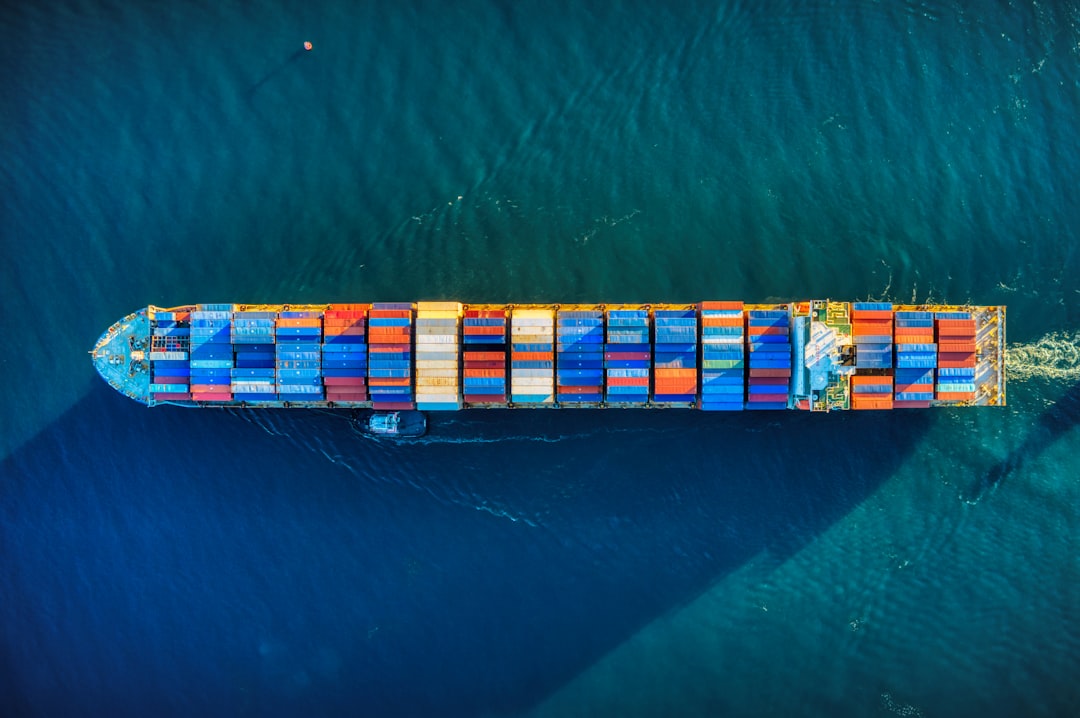
The global shipping industry is taking serious steps toward methanol as a marine fuel, with dual-fuel vessels now operating on scheduled routes and port infrastructure being developed to support them. A notable example is the OOCL Wisdom, the world’s largest methanol-capable container ship, which recently completed its first green methanol bunkering at Qingdao Port. Meanwhile, a new alliance in China is coordinating a nationwide buildout of methanol fueling facilities, signaling a shift in the sector’s approach to decarbonization.
At the heart of this transition is a critical question: where will the vast quantities of low-carbon methanol come from? The traditional model of building massive, centralized production plants near natural gas reserves is being challenged by a wave of startups that propose a more distributed approach. One such company, MIT spinout Emvolon, is developing container-sized modular plants that can be deployed directly at methane sources like landfills, converting the gas into methanol on-site. This innovative method uses a repurposed automotive engine running fuel-rich to produce syngas, which is then synthesized into methanol, drastically reducing capital costs compared to conventional reformers.
Emvolon has recently announced a significant offtake agreement with Freepoint Commodities, and its first commercial unit is slated to operate at a landfill in Texas. The company’s strategy is to make methanol production more accessible and cost-effective, potentially reaching price parity with fossil fuels. With an estimated 400 methanol-capable ships already on order or in service, and regulatory pressures from the EU pushing for cleaner fuels, the market for green methanol is expanding. However, the scalability of distributed production remains to be seen, as numerous modular sites would be needed to meet the industry’s projected demand of 100 million tons annually by 2050.
What do you think?