
MIT's Multi-Material 3D Printer Creates Functional Motors in Hours
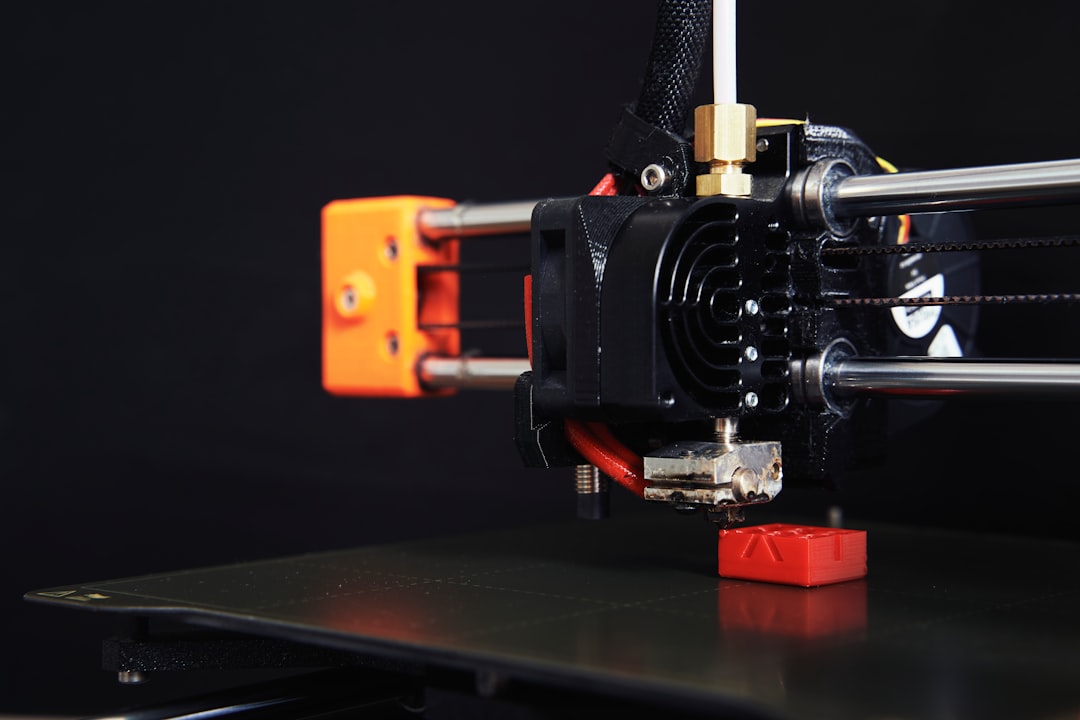
Conventional 3D printers are mostly limited to plastic parts, but a team at MIT has demonstrated a system that can print a fully functional electric linear motor in about three hours. Using five distinct material types—conductors, insulators, magnetic structures, and flexible elements—the printer builds the motor in one go, with only a final magnetization step afterward. The raw materials cost roughly $0.50, and the process could make hardware production faster, cheaper, and less dependent on global supply chains.
The key is a multimaterial extrusion approach that swaps among four different tools: a filament extruder, a pellet extruder, a custom ink extruder, and a heater for curing inks. Pellet extrusion is especially important because it allows higher concentrations of magnetic particles, boosting performance over standard filament printing. The team also integrated sensors and a control system to ensure precise layer alignment and consistent tool changes.
Lead researcher Luis Fernando Velásquez-García emphasizes using capable materials, not just printable ones. ‘You shouldn’t make any compromises in materials and performance,’ he says, adding that multimaterial printing is ‘a win-win situation’ when done properly. The printed linear motor performed comparably to or better than conventionally built devices, and even outperformed hydraulic amplifiers in actuation.
While this is a breakthrough, Velásquez-García cautions that a 3D-printed motor for an electric car is still far off. The team’s next goals include printing rotating motors, which pose tougher challenges in thermal management and durability, and eventually integrating magnetization directly into the printing process. The long-term vision is enabling remote or small-scale manufacturing of specialized electromechanical parts without relying on logistics.
What do you think?