
Mercedes-Benz Electric Vehicle Sales Climb to 16% of Global Deliveries in Q3
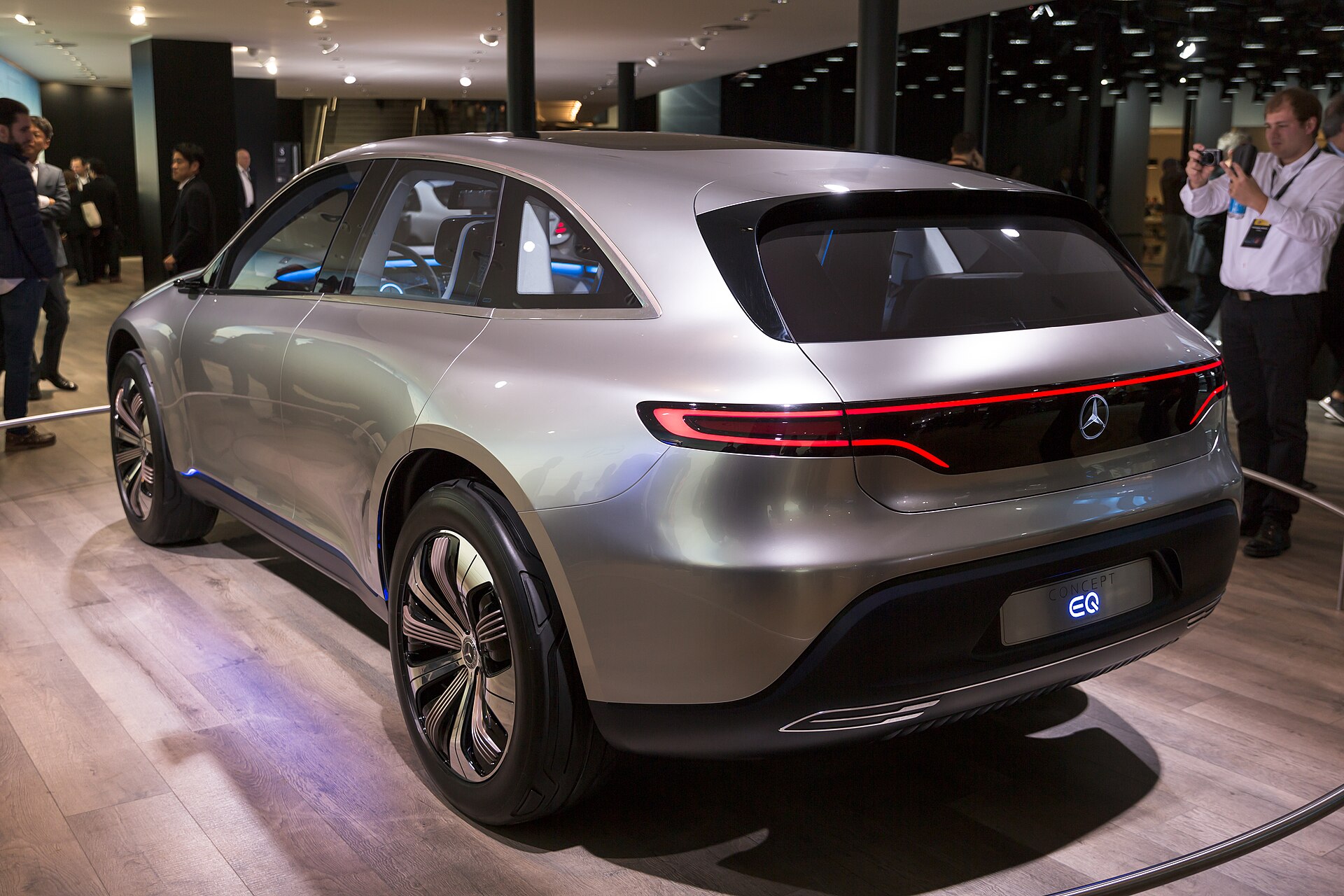
Mercedes-Benz Group reported that fully electric vehicles made up 16 percent of its global car and van sales in the third quarter, equating to 78,100 units. This marks a significant rise from the same period last year, when EVs accounted for just under 10 percent of total volume, representing an increase of more than six percentage points. The figures highlight the company’s accelerating shift toward electrification across its passenger car and commercial van lineups.
The Stuttgart-based automaker has been rolling out a growing family of EQ-badged models, including the EQA, EQB, EQC, EQE, and EQS, as well as electric versions of its popular GLC SUV. In addition to passenger cars, Mercedes offers electrified vans such as the EQV and eSprinter, which contribute to the overall electric tally. The third-quarter performance suggests that demand for these models is gaining traction in key markets, although the company has not provided a breakdown of sales by region in this update.
Despite the global uptick, China remains a particularly tough environment for Mercedes. The world’s largest EV market is dominated by local manufacturers that offer competitive pricing and advanced technology, putting pressure on legacy automakers. Mercedes has faced headwinds in China as domestic brands like BYD and Nio capture a growing share of electric vehicle sales. This challenge is not unique to Mercedes; other German premium brands have also struggled to maintain momentum in the region.
The quarterly result underscores the broader trend of traditional automakers ramping up electric offerings while navigating uneven regional demand. Mercedes has set ambitious targets for electrification, aiming to go all-electric by 2030 where market conditions allow. The latest sales data indicates progress toward that goal, but the mixed regional performance highlights the complexities of the global transition to electric mobility.
For now, the 16 percent share represents a notable milestone for Mercedes, showing that its electric strategy is resonating with a growing portion of its customer base. Whether the company can sustain this pace will depend on its ability to adapt to competitive pressures, particularly in China, and to continue expanding its charging and product ecosystem worldwide.
What do you think?