
LiDAR Prices Drop, and Tesla's Vision-Only Robotaxi Bet Gets Harder to Defend
Falling LiDAR prices are reshaping the economics of autonomous driving, and the shift is putting fresh pressure on Tesla’s decision to rely on cameras alone. According to an Automotive World intelligence brief dated October 8, 2026, cheaper sensors have weakened the company’s core argument that vision-only autonomy is the most cost-effective path forward.
The awkward part for Tesla is the collision between two promises. As long as adding sensors stays expensive, the company can argue that its existing customer fleet is already capable of becoming robotaxis through software alone, powered by cameras and onboard compute rather than a hardware upgrade. If LiDAR gets cheap enough, that logic starts to fray: the cost saving from skipping sensors shrinks, while the performance gap between camera-only systems and multi-sensor stacks becomes harder to justify to regulators, insurers and riders.
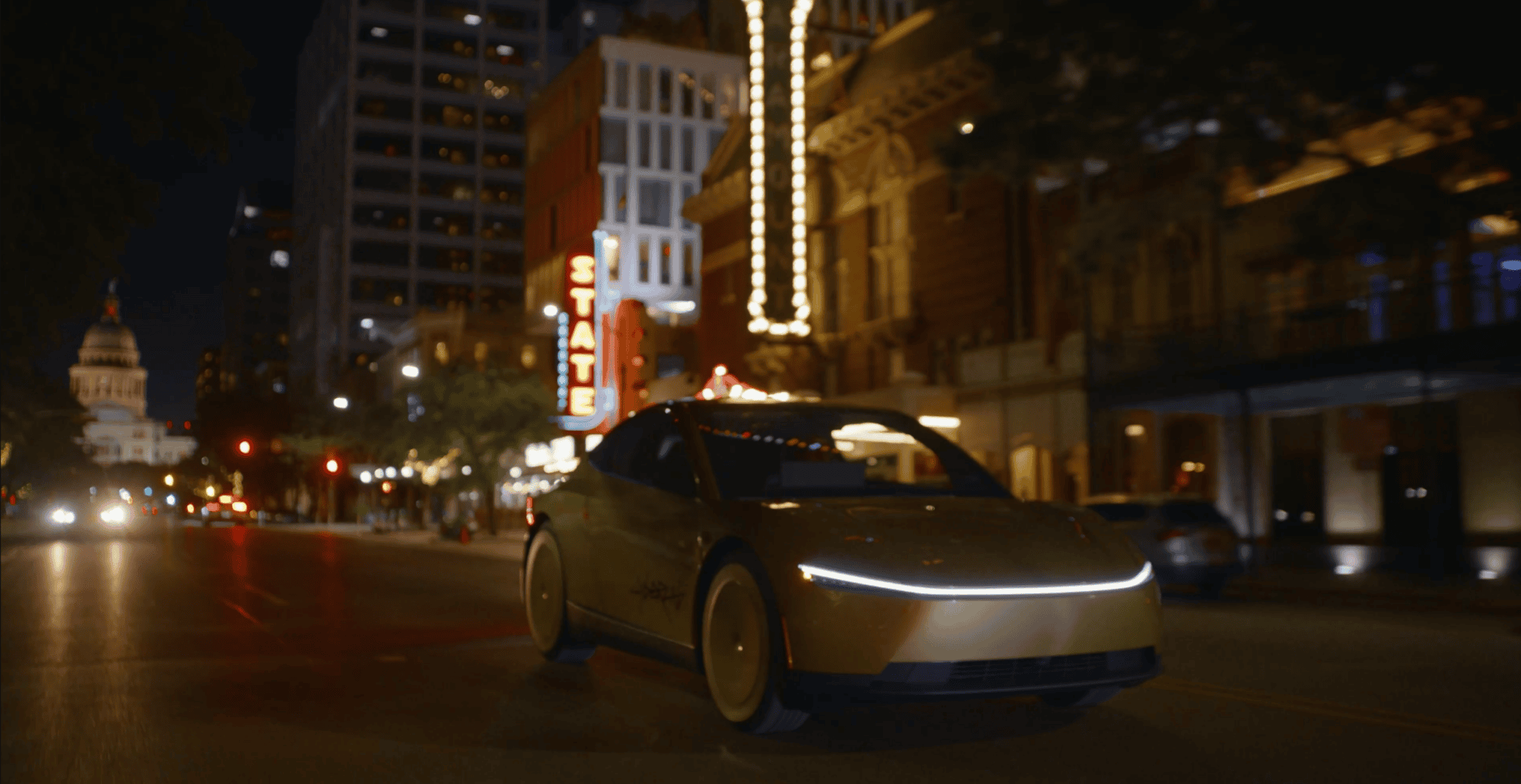
A telling data point came from Elon Musk himself. His public account of the Robotaxi service’s night-time limitations in Austin indicates that Full Self-Driving buyers may own hardware that struggles in low-light conditions. That admission matters because darkness is one of the hardest environments for camera-based perception, and it is precisely where LiDAR tends to prove its worth.
The brief also highlights progress elsewhere in the autonomous ecosystem. Kodiak AI reported that its self-defined readiness measure hit 96% as it prepares for a planned 2026 driverless long-haul launch. Valeo will integrate Wayve’s AI Driver into Nissan’s next-generation ProPilot system, pairing a European supplier’s hardware base with a British software developer’s end-to-end driving stack. And on the freight side, Volvo Autonomous Solutions and Waabi have started less-than-truckload runs along the Dallas-Houston corridor, a route choice that reflects how operators are testing autonomy in repeatable, high-traffic commercial lanes before scaling further.
Read together, these threads describe an industry splitting into divergent technical camps rather than converging on a single formula. Some players lean on richer sensor suites and are betting that dropping component costs make that approach viable at scale. Others, like Tesla, are wagering that software and compute efficiency can carry the day. Tesla’s timeline and reputation in autonomy now rest on whether its camera-first stack can handle edge cases like night driving without the sensor redundancy its rivals are paying less and less to include.
For operators, suppliers and investors, the practical question is what happens if LiDAR keeps getting cheaper. A wider sensor set stops being a premium option and becomes the default baseline, and any company that has already deployed millions of vehicles without it faces an expensive retrofit problem it has spent years insisting it would never need to solve.
What do you think?