
JLR's Defender Defense Division Debuts with Wolf Series II, Challenging Military Vehicle Norms
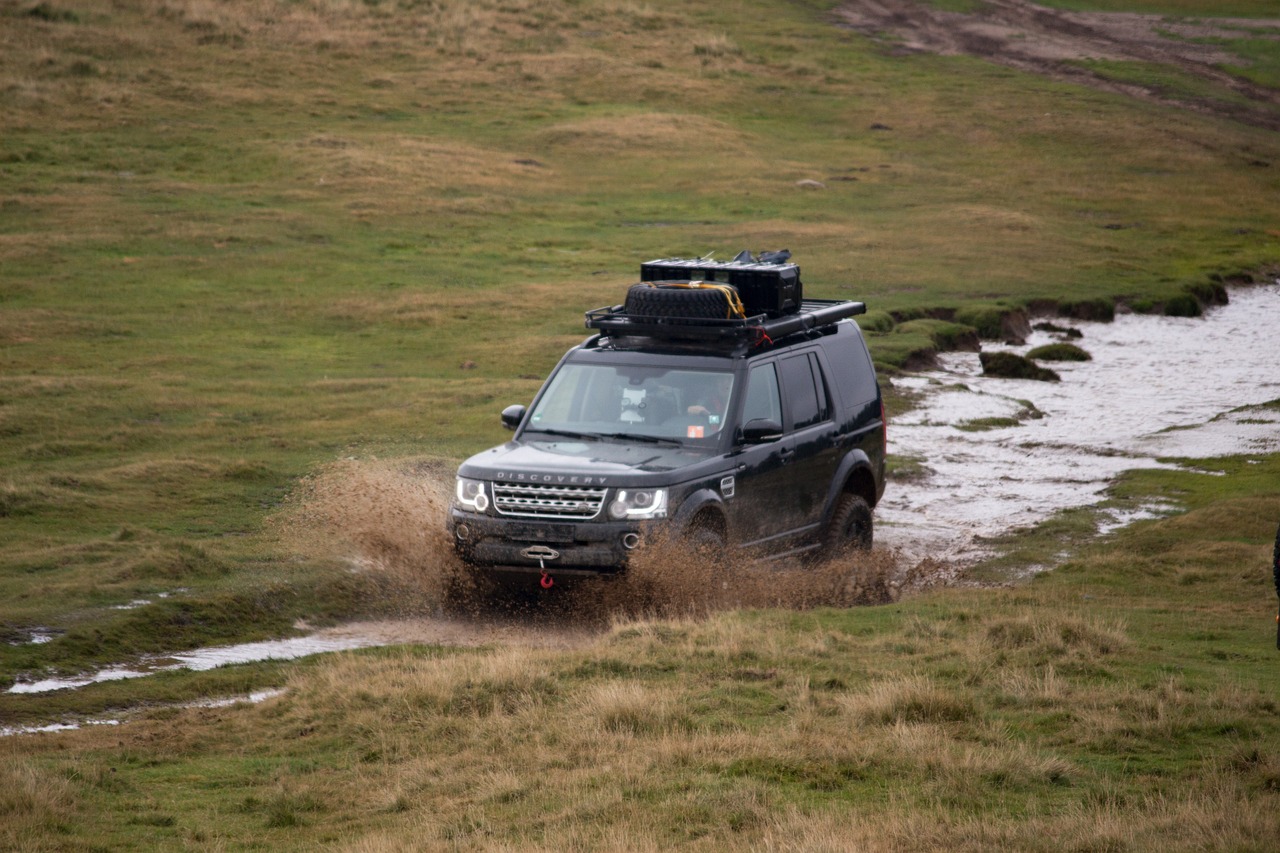
Jaguar Land Rover has officially unveiled its newly formed Defender Defence Division, introducing the Wolf Series II as its flagship offering. This move signals a strategic push to leverage the Defender platform’s robust architecture in sectors that demand extreme durability and reliability, directly competing with established military vehicle suppliers. The Wolf Series II represents a civilian-market-familiar design adapted for defense applications, aiming to bridge the gap between rugged off-road capability and logistical practicality for armed forces and security agencies.
The introduction of this dedicated division underscores JLR’s ambition to diversify beyond mainstream consumer sales. By repurposing the Defender’s proven engineering foundation, the company seeks to offer a modern alternative to traditional defense vehicles, which often rely on older designs. While specific technical specifications and order details remain under wraps, the initiative positions JLR to capture a niche where automotive innovation meets governmental and institutional needs. Analysts view this as a logical extension of the Defender brand’s heritage, which has a storied history in military and emergency services use.
However, entering the defense market brings unique challenges, including rigorous certification processes and prolonged procurement cycles. JLR will need to demonstrate not only vehicle capability but also long-term sustainment and fleet management support. The Wolf Series II could serve as a template for future defense-oriented derivatives, potentially expanding into logistics, reconnaissance, and personnel transport roles. As the automotive industry increasingly consolidates around electrification, this defense venture offers JLR a stable demand source less exposed to consumer market volatility, though questions about powertrain choices and regulatory alignment with defense requirements remain.
What do you think?