
Jim Farley Stands by Ford's China Battery Partnership, Citing U.S. Jobs and Know-How
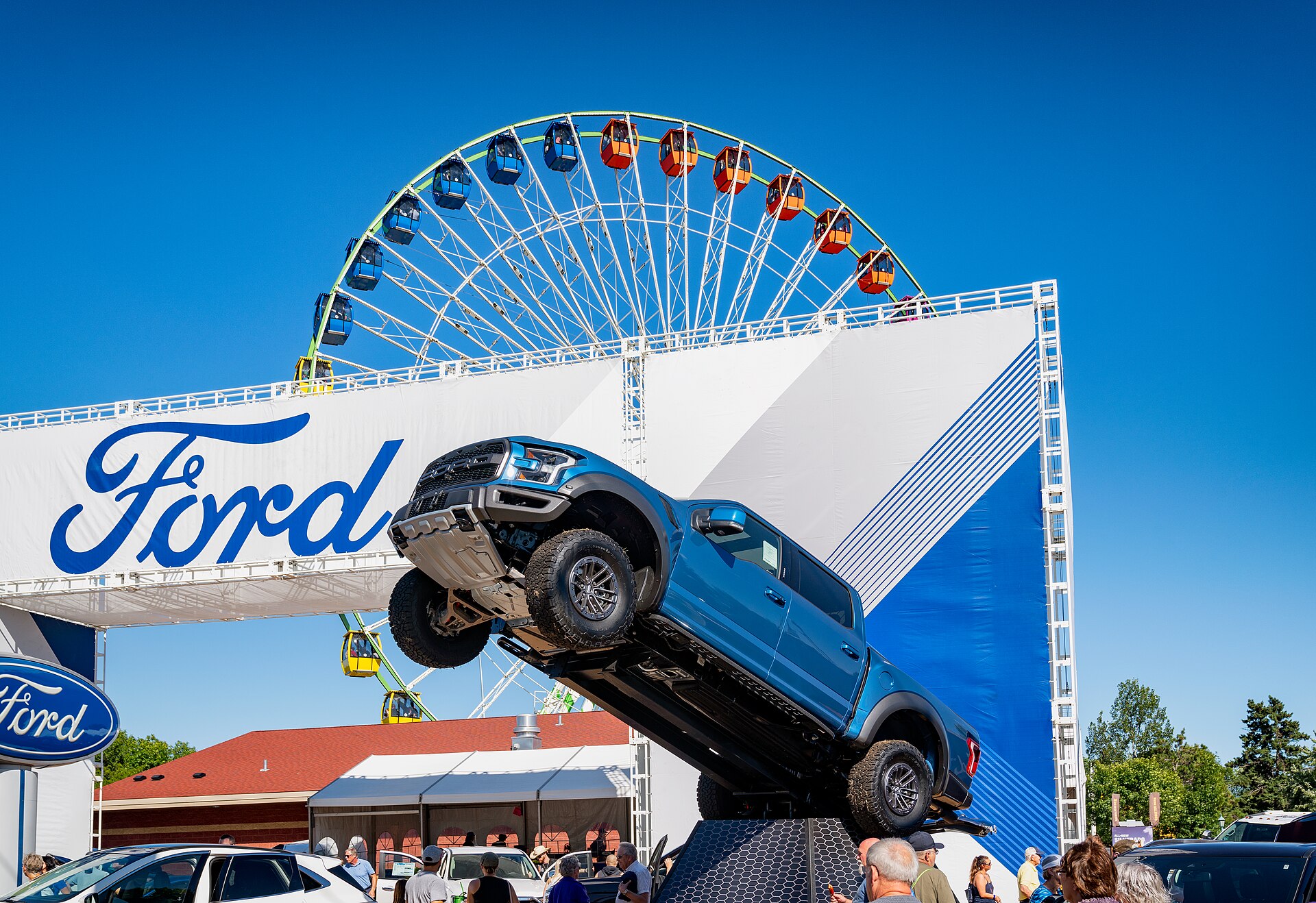
Ford CEO Jim Farley is pushing back against criticism of the automaker’s collaboration with a Chinese battery supplier, arguing that the partnership is essential for keeping advanced battery production—and the jobs that come with it—on American soil. Rather than ceding the technology to overseas competitors, Farley frames the tie-up as a pragmatic way to bring proven expertise into Ford’s own manufacturing footprint.
The relationship in question centers on Ford’s plans to license battery technology from China’s CATL for a new plant in Michigan. Ford has described the facility as wholly owned and operated by the company, with the Chinese partner supplying technical licensing rather than direct investment. That structure has drawn scrutiny from lawmakers and regulators wary of U.S. automakers deepening ties with Chinese firms, particularly as Washington tightens rules around electric-vehicle supply chains.
Farley’s defense rests on a straightforward calculation: batteries are the most expensive and technically demanding part of an electric vehicle, and Ford cannot afford to fall behind. In his view, working with an established battery leader lets Ford accelerate production, control costs and learn at scale, rather than spending years reinventing processes that competitors have already refined. He has repeatedly stressed that the arrangement is about building domestic capability, not outsourcing it.
The CEO’s stance also reflects a broader tension in the auto industry. Automakers want access to cutting-edge battery chemistry and manufacturing efficiency, much of which is concentrated in China, but they face political pressure to reduce reliance on Chinese suppliers. Ford has tried to thread that needle by emphasizing local ownership, local hiring and U.S.-based production, even as it leans on foreign know-how.
For Ford, the stakes go beyond one factory. The company is investing heavily in electrification while trying to protect margins, and battery costs are central to whether its EVs can compete on price. Farley’s willingness to publicly defend the China partnership signals that Ford sees the technology transfer as too valuable to abandon—and that it intends to argue its case as the policy debate over Chinese involvement in the U.S. EV supply chain continues to intensify.
What do you think?