
Jeep Maps Out European Growth: Renegade Returns, D-SUV Revived by 2030
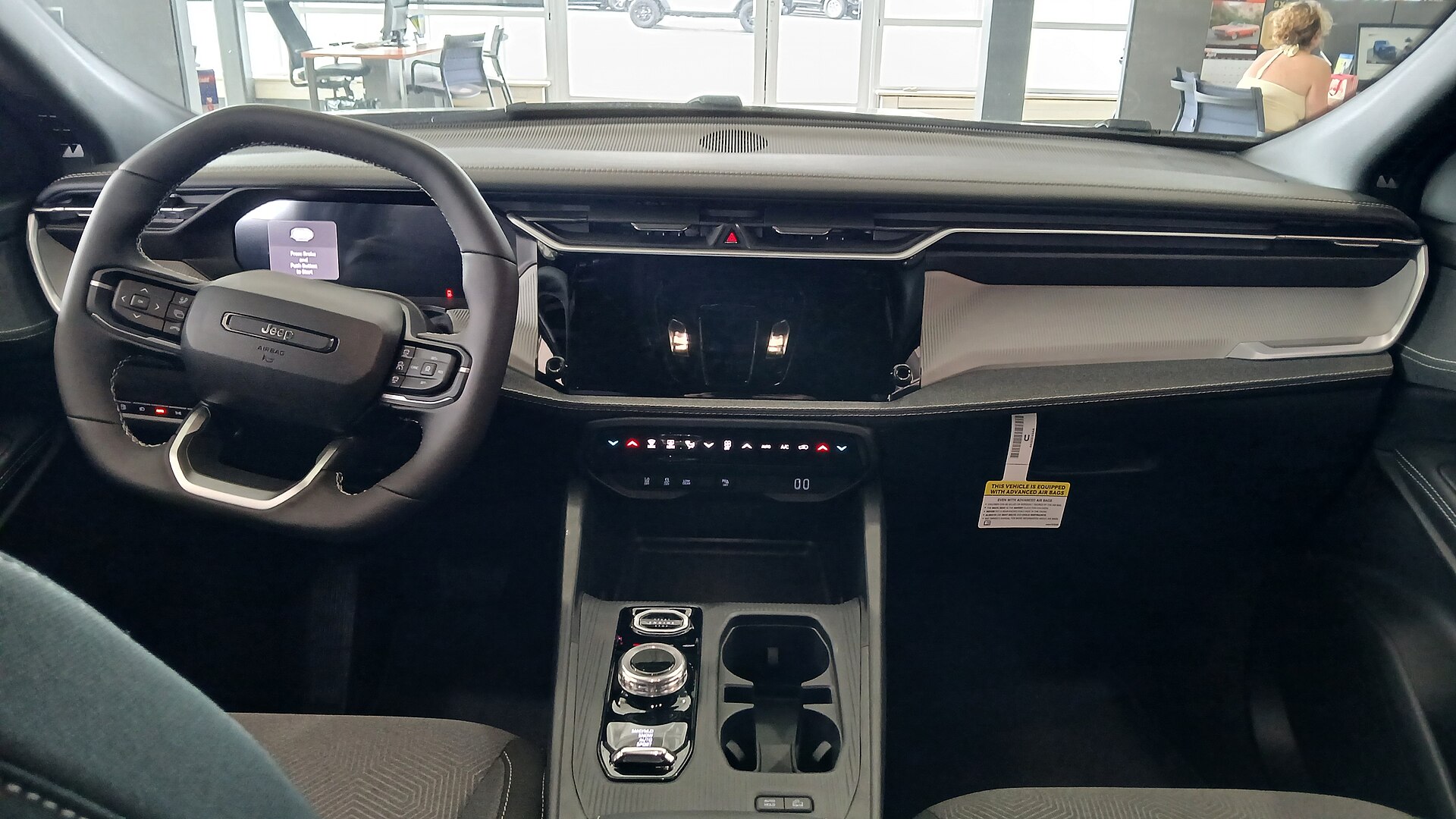
Jeep has used the Paris Motor Show stage to lay out an ambitious European product plan that stretches to the end of the decade, and the centerpiece is a familiar badge. The brand confirmed the Renegade will make its way back into European showrooms by 2030, this time as the anchor of a wider SUV family rather than a standalone entry.
The numbers behind that decision are telling. Since its 2014 launch, the Renegade has found more than 610,000 European buyers, a tally that gives Jeep a recognizable name to build on. Company executives were careful not to commit to a precise launch window or confirm what will sit under the hood, leaving the door open on powertrain strategy as the wider Stellantis group recalibrates its electrification timelines.
The Renegade’s return is only part of the story. Jeep intends to push back into the D-SUV segment, a class it has been absent from, with the Recon leading that effort and a second model following in 2028. Below that, the Avenger continues to carry the brand in the B-SUV class, where it has accumulated close to 300,000 sales, while the Compass holds the line in the C-SUV bracket. Taken together, Jeep believes the expanded range will address roughly 90% of Europe’s SUV market.
Two threads run through every planned model: an available 4×4 variant and a menu of powertrain options rather than a single technology. That multi-energy approach stands in contrast to the all-electric pledges that once dominated Stellantis messaging, and it reflects a broader industry mood as EU CO2 regulations appear set for adjustment. Jeep has not disclosed which specific powertrains will be offered, nor how each will be distributed across the segments.
Looking past 2030, the brand is studying a lineup of compact electrified vehicles drawing inspiration from heritage icons such as the Willys, conceived for urban buyers who still want weekend escape capability. Xavier Peugeot, who heads Jeep Brand Europe, tied the roadmap together around electrification while stressing that freedom of movement remains the brand’s core promise, describing the plan as built on capable, compact and electrified vehicles inspired by Jeep’s iconic DNA.
All-wheel drive availability across the range could serve as Jeep’s functional differentiator within Stellantis, where Peugeot, Opel and Fiat increasingly share platforms and components. Whether that distinction is enough to stretch Jeep’s off-road identity from the B-segment up to D-SUVs is the open question the next few years will answer.
What do you think?