
Inside Waymo's Custom Silicon: The Brains Behind Its Robotaxi Expansion
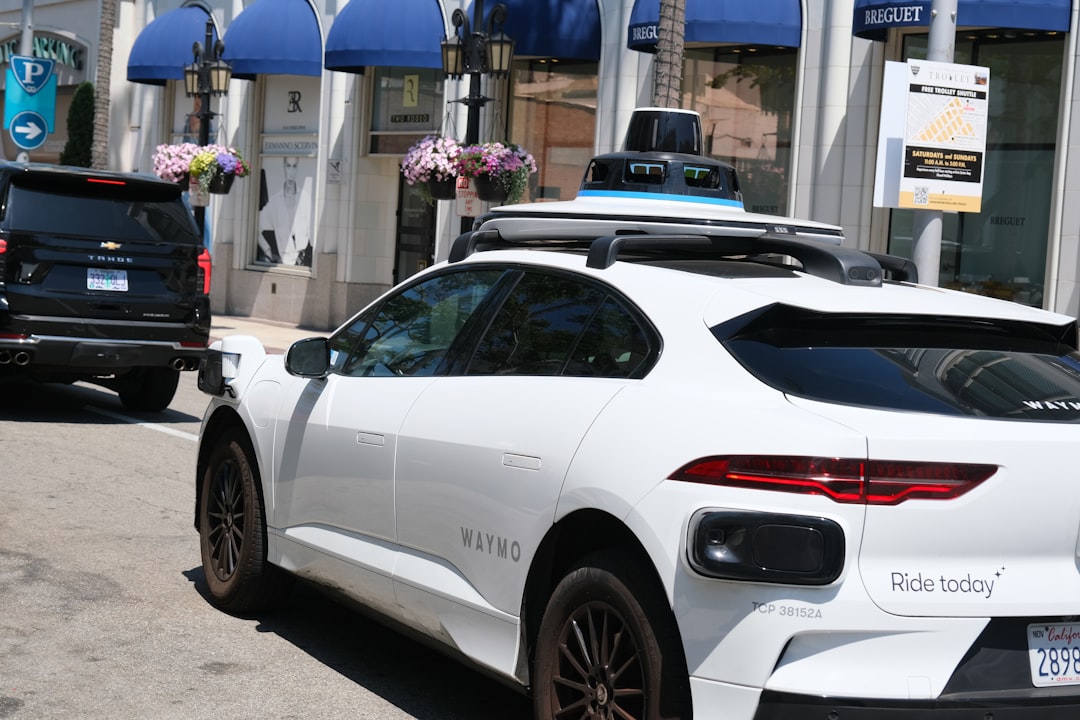
Waymo, the autonomous driving subsidiary of Alphabet, has quietly engineered a custom computer chip designed to integrate all the sensor data from its robotaxis into a single, powerful processor. This silicon brain is poised to be a key enabler of the company’s ambitious scaling plans, allowing for a more compact, efficient, and cost-effective design that can be manufactured at higher volumes. The chip’s development marks a strategic shift from relying solely on off-the-shelf components, giving Waymo tighter control over performance and supply chain.
The architecture is built around a central compute unit that fuses inputs from lidar, cameras, and radar, reducing the need for separate processing boards. This integration not only saves space in the vehicle but also cuts down on power consumption, a critical factor for extending battery range in its all-electric Jaguar I-PACE fleet. By consolidating the compute stack, Waymo simplifies its hardware footprint, which could lower the cost per mile and accelerate deployment across new cities and vehicle platforms.
Waymo’s engineers emphasize that the chip’s design prioritizes safety and redundancy, with multiple layers of failover to handle sensor or processing failures gracefully. The company believes this custom approach gives it a competitive edge in the race to commercialize autonomous ride-hailing, as competitors like Cruise and Tesla continue to explore their own proprietary silicon solutions. As Waymo scales from Phoenix to San Francisco and beyond, this custom chip is the unsung hero doing the heavy lifting in real time.
With the robotaxi industry’s shift toward profitability, the efficiency gains from bespoke hardware are becoming a decisive factor. Waymo’s investment in silicon is a long-term bet that in-house components will provide the reliability and economics needed to win over riders and regulators alike. The details of the chip’s architecture remain largely under wraps, but its existence signals a new phase in the autonomous vehicle hardware race.
What do you think?