
Hyundai Adds Hybrid Option to Bayon, Taking Aim at Yaris Cross and MG ZS
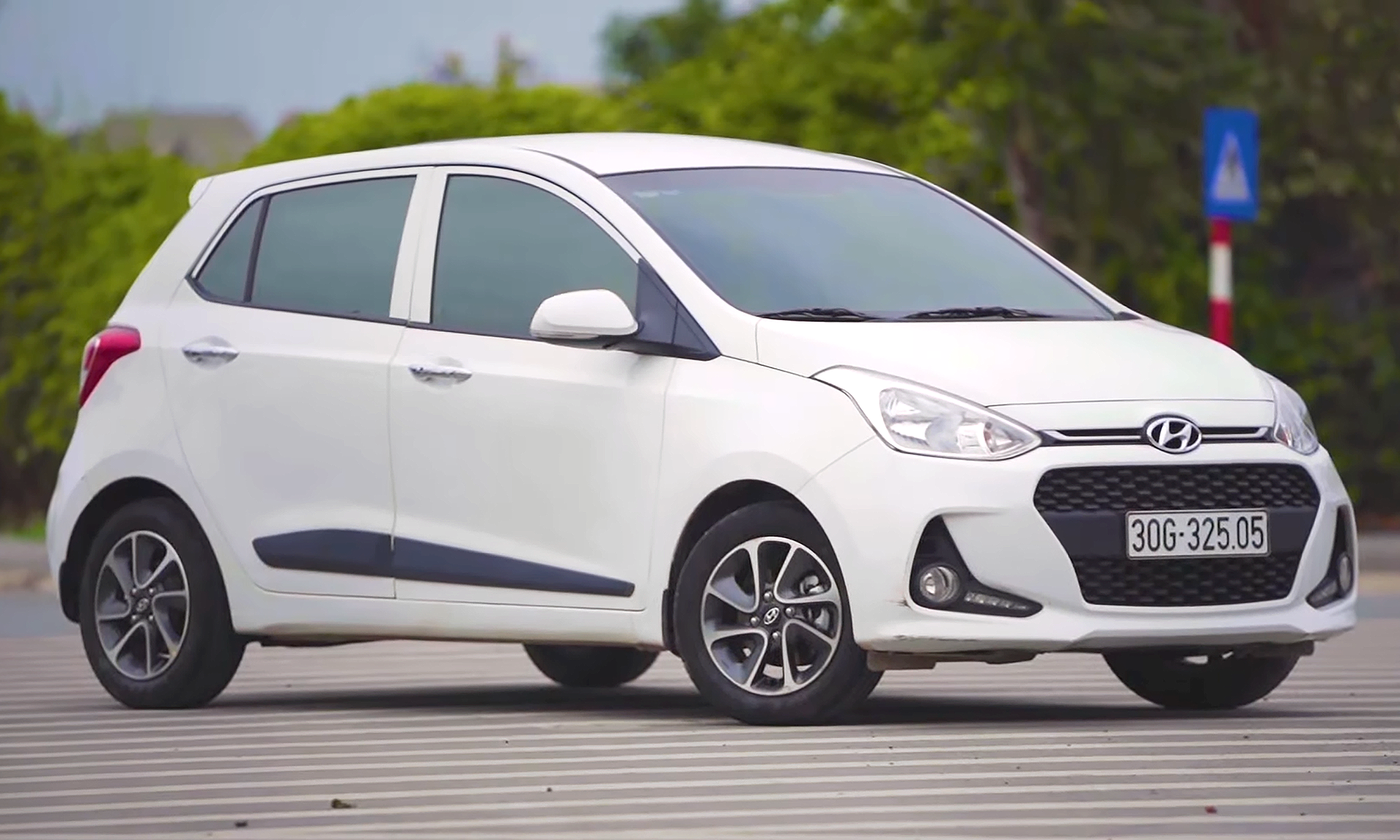
Hyundai has introduced a hybrid variant for its Bayon subcompact crossover, a strategic move designed to strengthen its position in the highly competitive European small SUV segment. The Bayon, which sits below the Kona in Hyundai’s lineup, has until now been offered solely with gasoline engines. By adding a hybrid powertrain, Hyundai is directly targeting established rivals such as the Toyota Yaris Cross and the MG ZS, both of which have gained significant market share with their electrified offerings.
The new hybrid Bayon is expected to utilize a powertrain similar to the one found in the Kona Hybrid, pairing a small gasoline engine with an electric motor and a compact battery pack. This setup typically delivers improved fuel efficiency and lower CO2 emissions compared to conventional gasoline engines, without requiring plug-in charging. For Hyundai, the move is a response to shifting consumer preferences in Europe, where hybrid vehicles have become a popular choice for buyers seeking electrification without the range anxiety or higher cost of full EVs.
The subcompact crossover class is one of Europe’s most fiercely contested segments. The Toyota Yaris Cross has been a standout success, leveraging Toyota’s long-standing hybrid expertise. Meanwhile, the MG ZS, offered as both a gasoline model and a full electric variant, has appealed to budget-conscious buyers with its competitive pricing and generous equipment. Hyundai’s decision to add a hybrid Bayon suggests the company aims to capture customers who want a well-equipped, efficient city-focused SUV but are not ready to commit to a full battery-electric vehicle.
Hyundai has not yet released detailed specifications for the hybrid Bayon, including power output, fuel economy figures, or pricing. However, the variant is likely to arrive in European showrooms in the near future, possibly alongside a mid-cycle update for the model. The Bayon is primarily sold in Europe, where it is manufactured, and is not offered in the United States. Its addition of a hybrid option reflects Hyundai’s broader strategy to electrify its entire European lineup, which includes the fully electric Kona Electric, Ioniq 5, and Ioniq 6.
For now, the hybrid Bayon remains a key part of Hyundai’s plan to keep pace with competitors in the rapidly evolving small car market. As European emissions regulations tighten and consumer demand for electrified vehicles grows, the availability of a hybrid option could make the Bayon a more compelling alternative to the Yaris Cross and MG ZS. Further details are expected to be announced closer to the variant’s launch.
What do you think?